
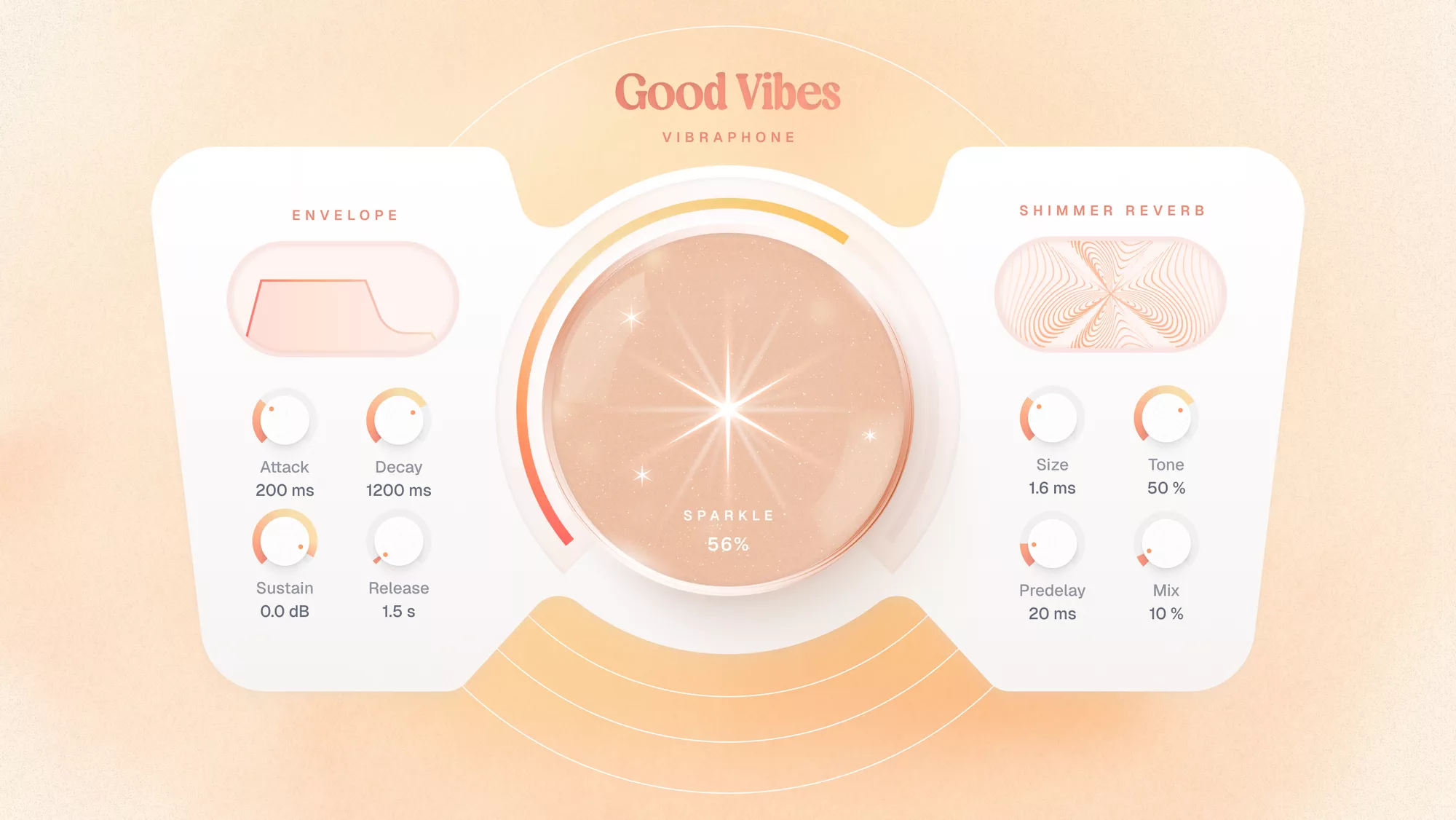
Lunacy Audio has launched Nova, a new instrument platform built to move the same collection of software instruments between the browser and a DAW. The system arrived on 17 September with a free Nova Host plug-in, a library of free tools and a paid Launch Bundle containing five premium instruments. Lunacy’s central idea is straightforward: instruments live in the cloud, while the user can open them in a browser or inside a conventional production session without managing separate licence keys for every device.
That makes Nova different from a single synth release. It is closer to a container and distribution layer for multiple instruments, with Lunacy treating the catalogue itself as something that can keep expanding. The company is already positioning free releases, premium instruments and collaborations inside the same environment. A separate builder and marketplace are also part of the roadmap, although both are still described as coming soon rather than features available at launch.
A host first, a wider creation system later
Nova’s current foundation is the free Host. On macOS it supports AU, VST3 and AAX, while Windows support covers VST3 and AAX. Lunacy lists macOS 11 and Windows 10 as the minimum operating systems, recommends 8 GB of RAM and requires a stable internet connection for downloading and activating the product. The company says the Host is supported by the major DAWs, keeping the first version inside familiar plug-in workflows rather than asking producers to replace their existing setup.
The browser side is where the platform becomes more unusual. Nova instruments can be opened without a full DAW session, which gives the company a route into quick sound design, patch exploration and collaboration from machines that may not have the same studio software installed. That does not remove the need for local plug-in formats when a track reaches a DAW; it changes the point at which a producer can first access and audition the tools.
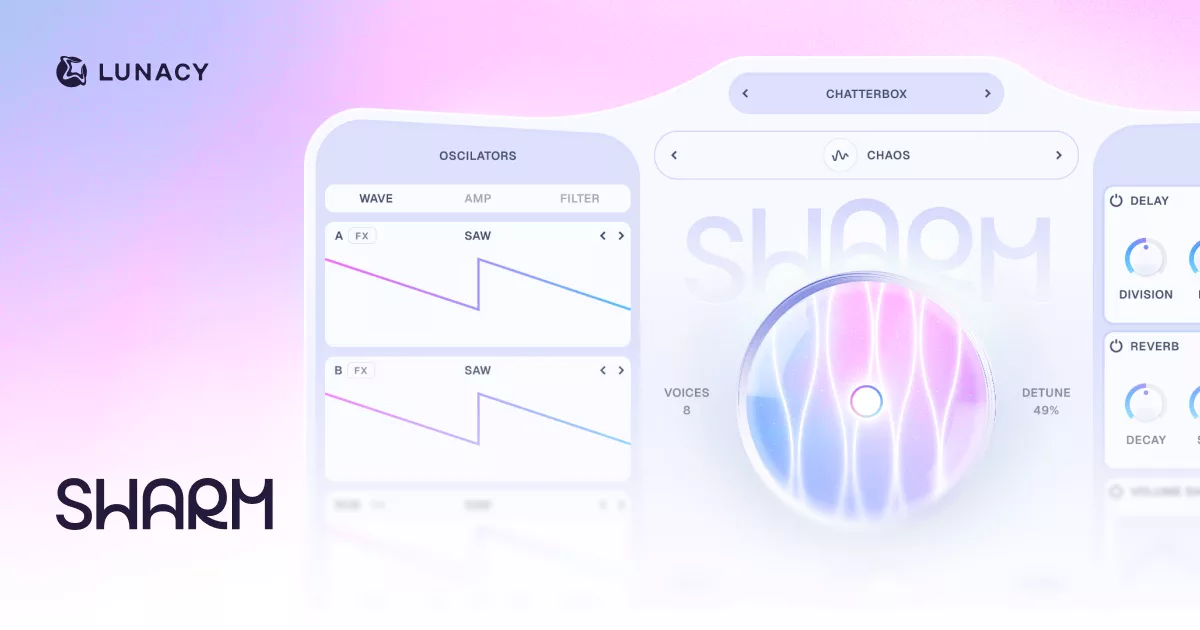
The Launch Bundle puts five premium instruments behind the platform
The paid entry point is the Nova Launch Bundle. Lunacy lists five premium instruments, more than 200 presets, 50 multi-sampled instruments and dozens of audio algorithms. Collaborators named by the company include Virtual Riot and Rainbow Circuit. At launch the bundle is advertised at $99, reduced from a listed $149 price, while the Host and a separate pool of instruments and effects remain free.
This split is important to how Nova is likely to be used. A producer can install the host and enter the ecosystem without buying the premium pack, then add instruments individually as the catalogue grows. Lunacy also says free tools will receive frequent drops. That gives Nova a model closer to an expanding rack than a fixed workstation: the value of the host depends increasingly on what instruments appear around it.
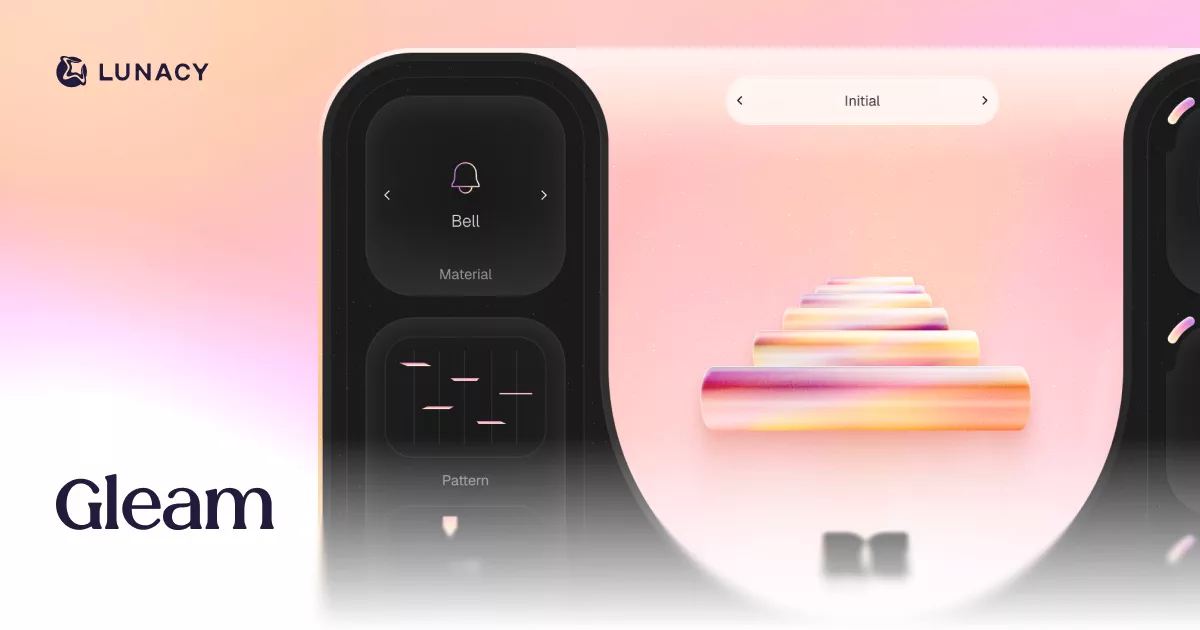
The interfaces shown so far are deliberately varied. Some devices are built around sample-based sources, others around synthesis or more specialised processing concepts. Lunacy’s own description ranges from heavy bass instruments to physical modelling and lo-fi textures. That breadth matters because a platform only becomes useful if the contained tools avoid feeling like different skins over the same engine.
- Launch: 17 September 2026
- Free component: Nova Host plus a growing set of free instruments and effects
- Launch Bundle: five premium instruments, 200+ presets and 50 multi-sampled instruments
- macOS: 11+, AU/VST3/AAX
- Windows: 10+, VST3/AAX
- RAM: 8 GB recommended
The builder is the bigger idea, but it is not here yet
Lunacy is already showing a second phase that could change the role of Nova more substantially. The company plans a builder that will let users create instruments, share them, remix other people’s designs and sell tools through a marketplace. Its product page describes that system openly as “coming soon”, and Lunacy is documenting its development through livestreams rather than presenting it as finished functionality.
That distinction is worth keeping clear because the builder is the part most likely to generate comparisons with modular development environments and no-code creation tools. Nova is not launching with a mature open marketplace of user-built plug-ins. It is launching with a host, a catalogue and a stated route toward that model. For producers interested in the development side, the interesting question will be how much access the builder eventually provides to synthesis structure, modulation, sampling and interface design.
Cloud distribution moves another step into the production workflow
Music software has spent years shifting licences, preset libraries and sample management online, but the instrument itself has usually remained a conventional local plug-in. Nova pushes the cloud layer further into the way tools are discovered and accessed. The practical upside is less fragmentation between browser auditioning and DAW use. The trade-off is equally clear: downloading and activation still depend on an internet connection, so the convenience rests partly on Lunacy maintaining the surrounding service.
For now, Nova is best judged by what is actually shipping. The Host is available, the first free and premium instruments are live, and the Launch Bundle gives the platform enough content to establish a workflow. The larger promise — users building and selling their own instruments inside the same system — remains a development target. That separation makes the launch easier to assess: Nova already works as a cloud-linked instrument rack, while the part that could turn it into a creator marketplace is still being built.



THE CONVERSATION
Opinions, context and replies from the AT-DJ community.