
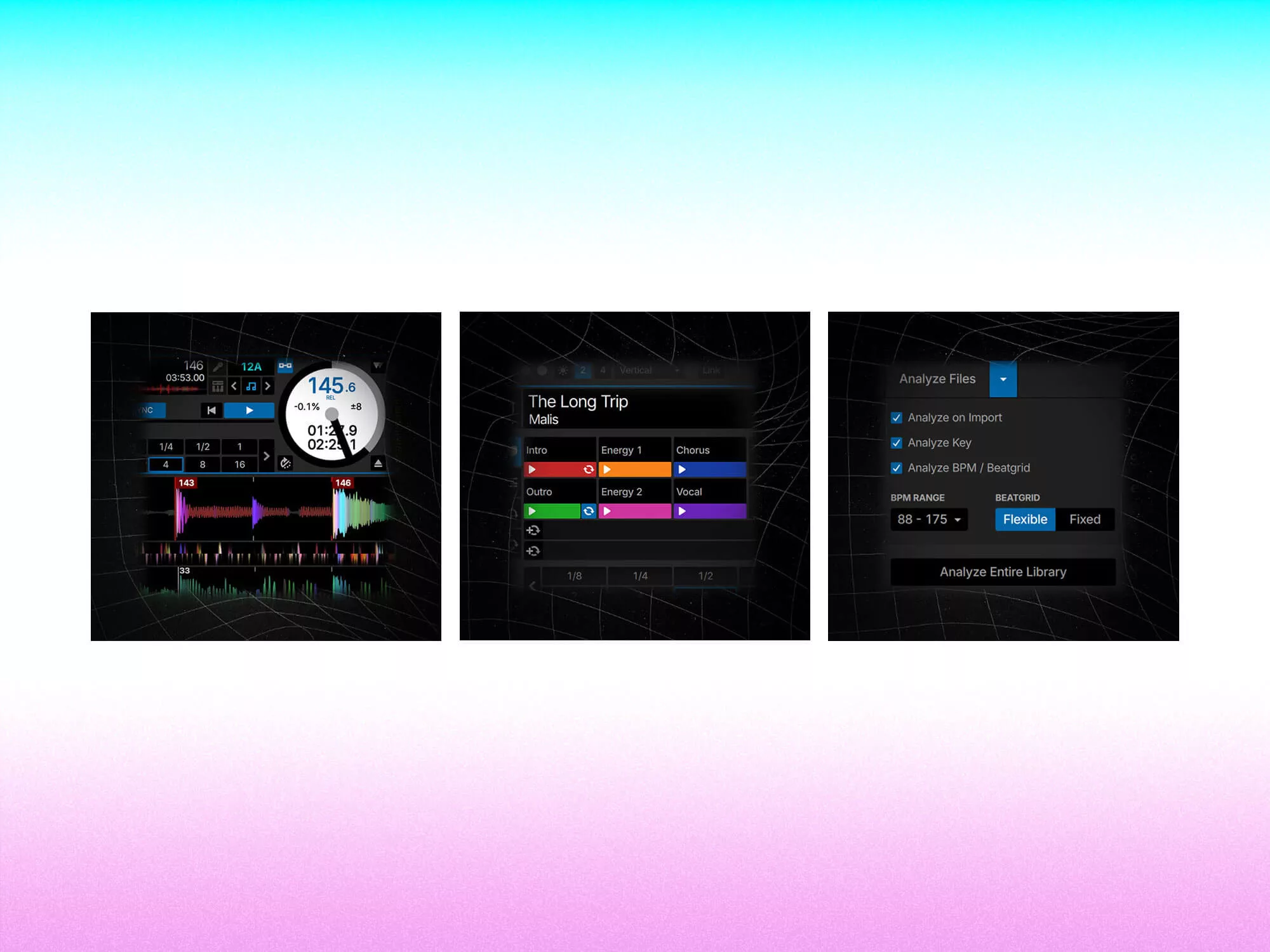
Serato DJ 5.0 has entered beta with a rebuilt beatgrid engine at the centre of the update. Serato calls the new system Lucid Beatgrids, and its most consequential change is automatic tempo tracking: the software can map changes across a track instead of treating one averaged BPM value as the entire rhythmic structure. Open Streaming and Cue Loops arrive in the same beta, alongside smaller library and playlist changes.
The release is still a test build. Serato explicitly recommends keeping the current version installed and avoiding the beta for critical performances. That caveat matters because 5.0 touches functions DJs rely on for sync, looping, effects timing and cue behaviour. The update is therefore best read as a preview of a major workflow change rather than a finished replacement for the current stable release.
Lucid Beatgrids tackles music that refuses to sit on one BPM
Traditional beatgrid analysis works comfortably with tracks whose tempo stays fixed from start to finish. The problems become obvious with live recordings, older disco, funk, reggae, rock, vinyl transfers and deliberately unstable electronic productions. Serato’s existing documentation already acknowledges that those files can drift away from a fixed grid and need manual correction. Lucid Beatgrids is designed to reduce that work by following tempo movement throughout the track.
The new Flexible Beatgrid Analysis mode places markers where the beat actually falls and can display BPM labels directly on the main and overview waveforms when the tempo changes. DJs can choose bar-level or beat-level resolution. Bar resolution remains the default, while beat resolution is intended for material where finer timing accuracy matters. Fixed analysis remains available, with Serato also claiming better downbeat detection across the board.
Crucially, users do not have to rebuild an entire library at once. Serato says existing beatgrids will not be overwritten until tracks are re-analysed. That gives DJs a practical migration path: problem files can be processed first, while material that already behaves reliably can stay untouched. Opening the same library in an older version preserves the previous grid data.
Open Streaming removes the one-service-at-a-time restriction
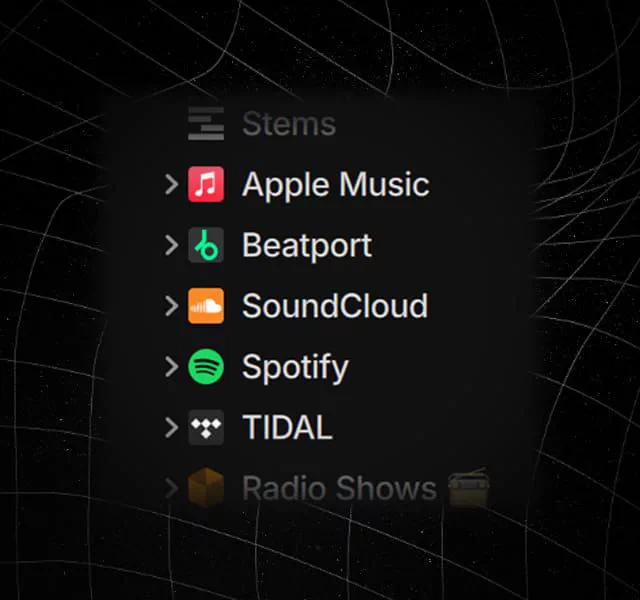
The second large change is Open Streaming. Serato DJ already supports multiple streaming partners, but the beta lets users stay logged into several services at once. Each service appears as its own crate in the library, and tracks from different providers can be combined with local files inside the same working session. Search can also be switched between services from a new dropdown in the library.
This does not erase the differences between streaming catalogues or subscription rules. It changes the friction inside Serato. A DJ building a set from local files, Spotify, Beatport, SoundCloud or TIDAL no longer needs to treat each provider as a separate operating mode. Serato also says key and BPM can now appear for streamed tracks as soon as they are browsed on supported partners, before loading or analysis. At present that metadata feature is listed for Beatport, TIDAL, SoundCloud and Spotify, but not Apple Music.
The shift is notable because streaming has moved from an optional add-on to a more integrated part of DJ software. Serato added Spotify support to DJ Pro and DJ Lite in March 2026; 5.0 now reorganises the software around the assumption that a working library may span several online sources as well as files stored locally.
- Status: public beta
- Lucid Beatgrids: automatic tempo tracking, improved downbeat detection and new editing controls
- Open Streaming: multiple supported services active in one session
- Cue Loops: Hot Cue and Loop triggered from the same marker
- Compatibility note: Serato recommends keeping the stable version installed for critical performances
Cue Loops turns a stored point into a performance action
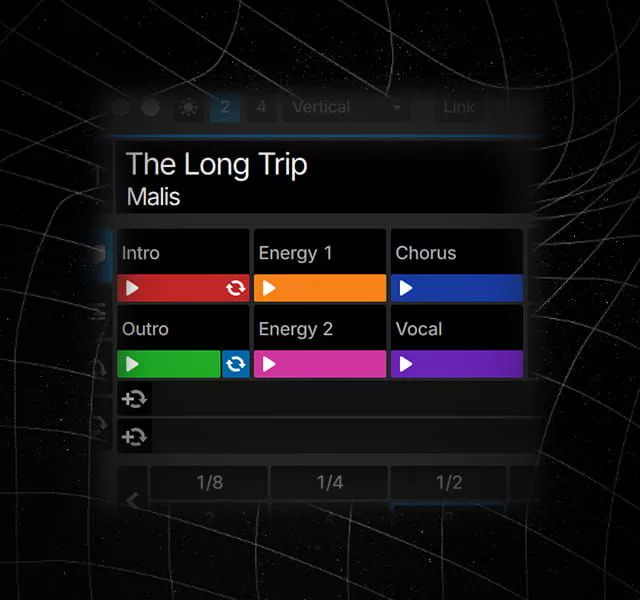
Cue Loops adds a smaller feature with a clear performance use. A single pad can now jump to a Hot Cue and trigger a predefined loop at the same time. The loop length is stored with the cue point, and the pad displays a loop icon so the state is visible before triggering it. Serato positions the function around extending breakdowns, holding drops or repeating vocals without moving between cue and loop controls mid-mix.
The feature is limited to Serato DJ Pro. Setup is deliberately simple: activate a loop, keep the playhead inside the loop region and assign an empty cue slot. The resulting marker stores both behaviours. It is not a headline architectural change like the beatgrid engine, but it reduces a familiar multi-step operation to one performance control.
Smaller library changes make the beta broader than its headline features
Serato has also restored Protect Library, which can prevent tracks being removed from the library, crates or the computer from inside the application. M3U and M3U8 playlist import is back, allowing exported playlist files to create Serato crates automatically. Default TIDAL DJ playlists have also been added, while streamed-track metadata receives the key and BPM improvement on selected services.
The most important change remains Lucid Beatgrids because it affects the assumptions underneath several other DJ functions. Sync, loops and tempo-synchronised effects all depend on the software understanding where beats actually sit. A grid that can follow changing tempo gives Serato a better foundation for music recorded before rigid digital timing became normal and for contemporary productions that intentionally reject it.
Serato has not announced a final 5.0 release date in the beta material. For now, DJs can install the test build alongside the current version and re-analyse only the tracks they want to test. That makes the beta useful without requiring an immediate library-wide commitment — and keeps the biggest technical change in Serato DJ for years away from mission-critical sets until it has been tested in the wild.





THE CONVERSATION
Opinions, context and replies from the AT-DJ community.