
Elements Music & Arts Festival returns to Long Pond, Pennsylvania, from 7 to 9 August with a set of changes aimed less at headline spectacle than at how the weekend actually feels on the ground. The 2026 edition introduces completely redesigned Fire and Earth stages, new art experiences in the woods, additional activities and a dedicated Guest Relations department. Those additions sit alongside a line-up that moves between UK garage, house, dubstep, bass music and harder techno. The scale is growing, but the more revealing story is how the organisers are trying to keep the event participatory rather than turning it into a conventional camping festival with themed decoration around the edges.
Elements 2026 puts two stages back on the drawing board
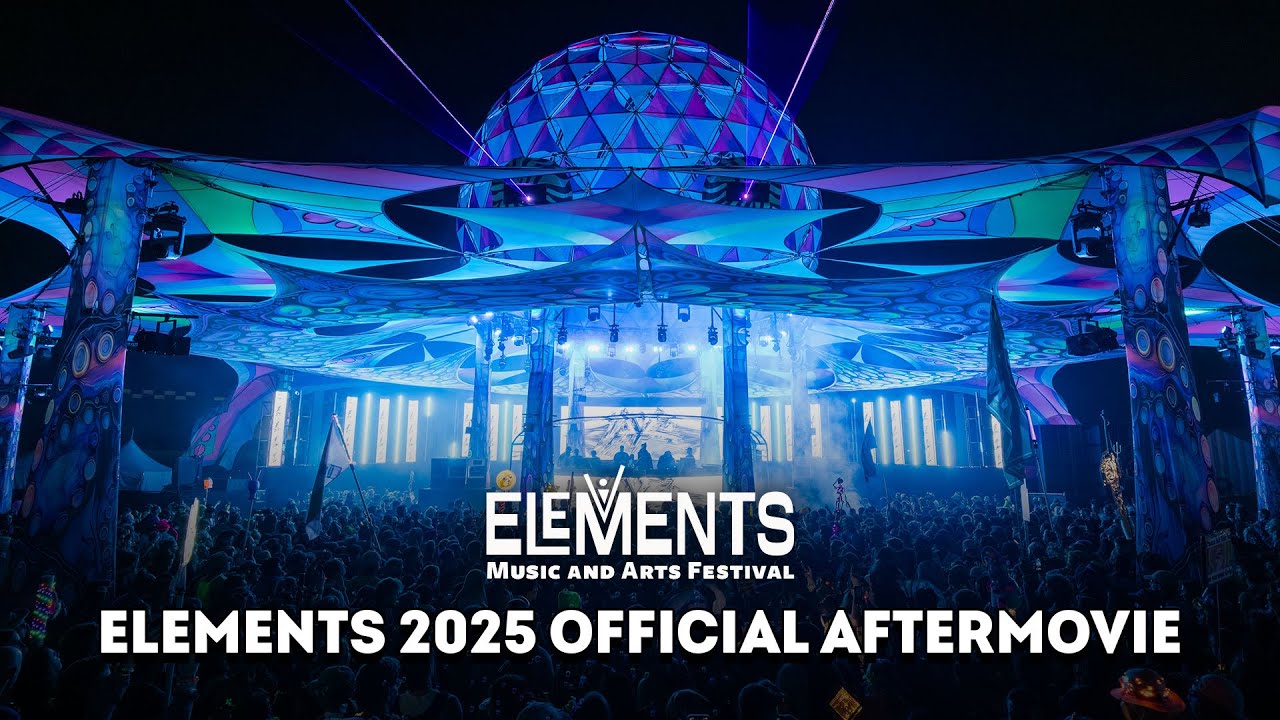
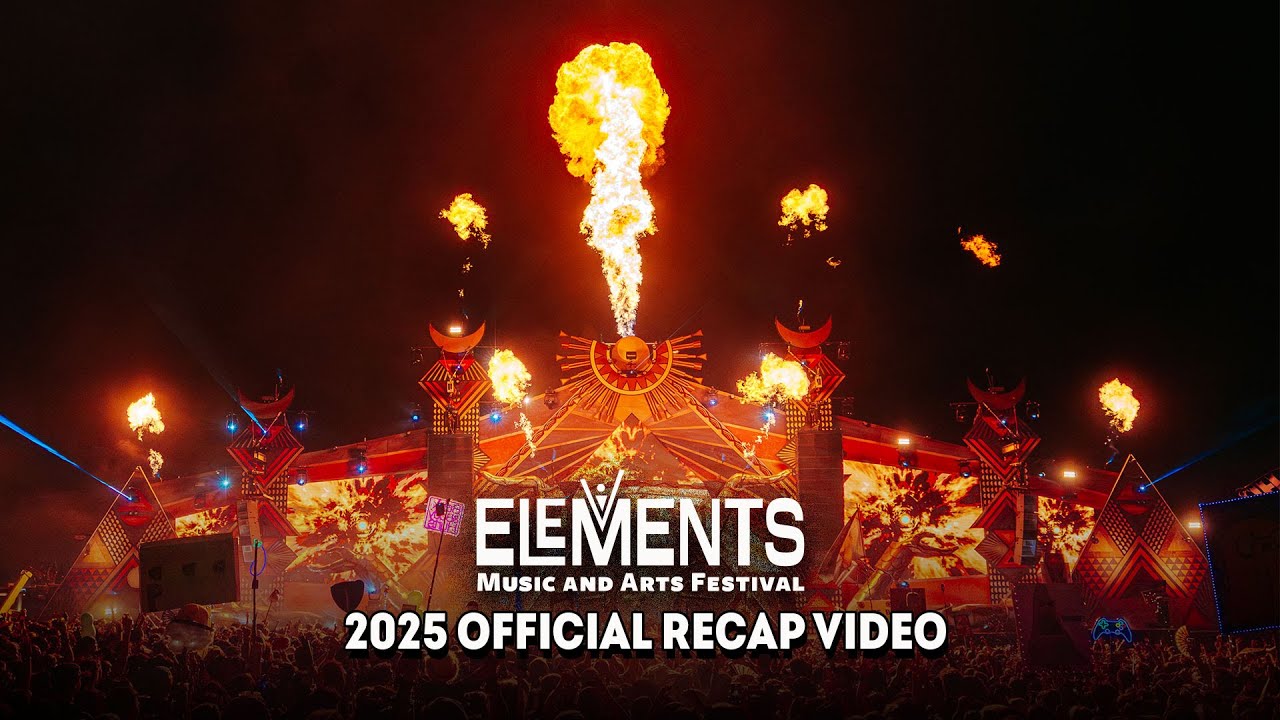
The Fire and Earth stages have been rebuilt for this year, giving two of the festival’s central spaces new identities. Stage redesigns often arrive wrapped in vague language about immersion, but at Elements they carry extra weight because the event has always organised itself around the four natural elements. Each arena is meant to feel like a distinct environment rather than a neutral platform with a different colour palette. Reworking two of them at once suggests the production team is treating the site as a connected system, not a row of isolated stages competing for attention.
That matters musically. Elements is not locked to one strand of electronic music, and the 2026 programme stretches from house and UK garage to dubstep and harder techno. A broad bill can become messy when every stage chases the same peak-time intensity. Stronger visual and spatial identities help separate those currents. Fire can be direct and physical without making Earth redundant; Earth can carry heavier or more grounded programming without feeling like an overflow area. The architecture gives the booking room to breathe.
A camping festival built around participation
Elements began as a Brooklyn warehouse party before moving into a full camping format, and that history still shapes the way it talks about community. The festival’s camps are not merely accommodation zones. Attendees build small stages, art installations and odd interactive spaces that form a parallel programme across the site. The organisers describe this as a festival within the festival, and that phrase is useful because it explains why some of the most memorable moments may happen away from the official timetable.
This year brings more woodland art, further activities and a retro-inspired candy-shop experience. None of those additions will matter if they feel like branded photo opportunities, but the existing camp culture gives them a better chance of becoming part of the event’s social fabric. Elements works best when the site rewards wandering. A hidden installation, an improvised set or a camp-built room can interrupt the efficient route between headline stages and remind people that a weekend like this does not need to be consumed as a checklist.
That approach also changes how emerging artists sit within the programme. The festival’s team says regional talent remains an important part of the booking process, alongside larger names and artists who are pushing at genre boundaries. In practical terms, discovery depends on more than placing a newcomer early in the day. The surrounding environment has to encourage people to stay curious instead of camping at the main stage. A site with multiple points of interest can make smaller bookings feel intentional.
Guest Relations becomes a department of its own
One of the least glamorous additions may be the most useful. Elements has created a dedicated Guest Relations department covering interactions from the website and social channels through arrival, camping and departure. Camping festivals are unusually vulnerable to small failures becoming major problems. Confusing access information, slow entry, unclear support channels or poor communication after a weather change can colour an entire weekend before the first proper set begins.
Treating guest care as its own department suggests a shift away from viewing support as a collection of separate operational tasks. The test will be whether that structure is visible when something goes wrong. Good festival service is rarely noticed when everything runs smoothly; it becomes obvious when an attendee needs accurate information quickly. Elements has grown beyond the scale where informal fixes are enough, so formalising that responsibility is a sensible move.
A line-up that refuses one dominant sound
The 2026 booking spans a wide section of current electronic music. The festival has leaned into UK garage, house, dubstep and harder techno rather than building the weekend around a single dominant market. That variety can attract audiences with very different expectations, from listeners looking for low-end pressure to dancers chasing faster, more linear club music. The difficult part is not assembling those names; it is programming them so that the shifts feel deliberate.
Elements’ collaborative approach to talent buying is designed around that problem. The team listens for artists who are redefining genres and balances those discoveries with established acts capable of carrying the larger stages. Regional artists remain part of the mix. That combination is familiar festival language, but the event’s history gives it some credibility: earlier editions booked acts before they became major touring names, and the organisers openly frame discovery as part of the ticket’s value.
For the audience, that means the strongest version of Elements is not the one where every hour is dictated by the biggest logo on the poster. Its structure invites movement between styles and spaces. A house set can reset the body after a dense bass run; a harder techno slot can sharpen a night that has drifted into softer territory; a regional artist can become the reason a group abandons its original schedule. The site design and the music need each other.
Growth without sanding away the odd corners
Elements is clearly growing, and its organisers are not shy about wanting each edition to feel larger and more complete than the previous one. The risk is familiar. Independent festivals often become more efficient as they expand, but also less strange. Bigger production, smoother entry and broader programming can improve the weekend while quietly removing the rough edges that gave it personality in the first place.
The 2026 changes suggest the festival understands that tension. Redesigned stages answer the need for scale. Guest Relations addresses the practical pressure created by a larger crowd. Woodland art, camp-built experiences and deliberately eccentric side quests protect the less measurable side of the event. None of those guarantees success, but together they form a coherent strategy: improve the machine without making the weekend feel like one.
Elements Music & Arts Festival takes place from 7 to 9 August in Long Pond, Pennsylvania. The most important upgrades will not be judged from renderings or announcement copy. They will be judged in the distances between stages, the clarity of information at the gate, the sound inside the rebuilt spaces and whether people still stumble into something they had no intention of seeing. That accidental discovery remains the real currency of a good camping festival.
THE CONVERSATION
Opinions, context and replies from the AT-DJ community.