
There is an old urban contradiction that keeps turning up in cities with serious nightlife. A neighbourhood becomes desirable partly because it is busy, creative and awake after midnight. Property values rise, more people move in, and the things that helped give the area its character — clubs, bars, music venues, people outside at 2am — start appearing on complaint forms.
Anyone who has spent enough time around clubs has seen some version of this story. It is easy to turn residents into villains and venue operators into martyrs. Real streets are rarely that tidy. A badly managed club can make its neighbours miserable. Queues need controlling. Bass needs containing. Door staff, dispersal, taxis and people shouting beneath somebody's bedroom window all matter. Residents have a right to sleep.
The harder question starts when an established nightlife district is gradually expected to behave like a quiet residential neighbourhood. At that point the city has often created the conflict through planning decisions, then left individual venues and residents to fight it out licence by licence.
Soho is becoming a test case for London
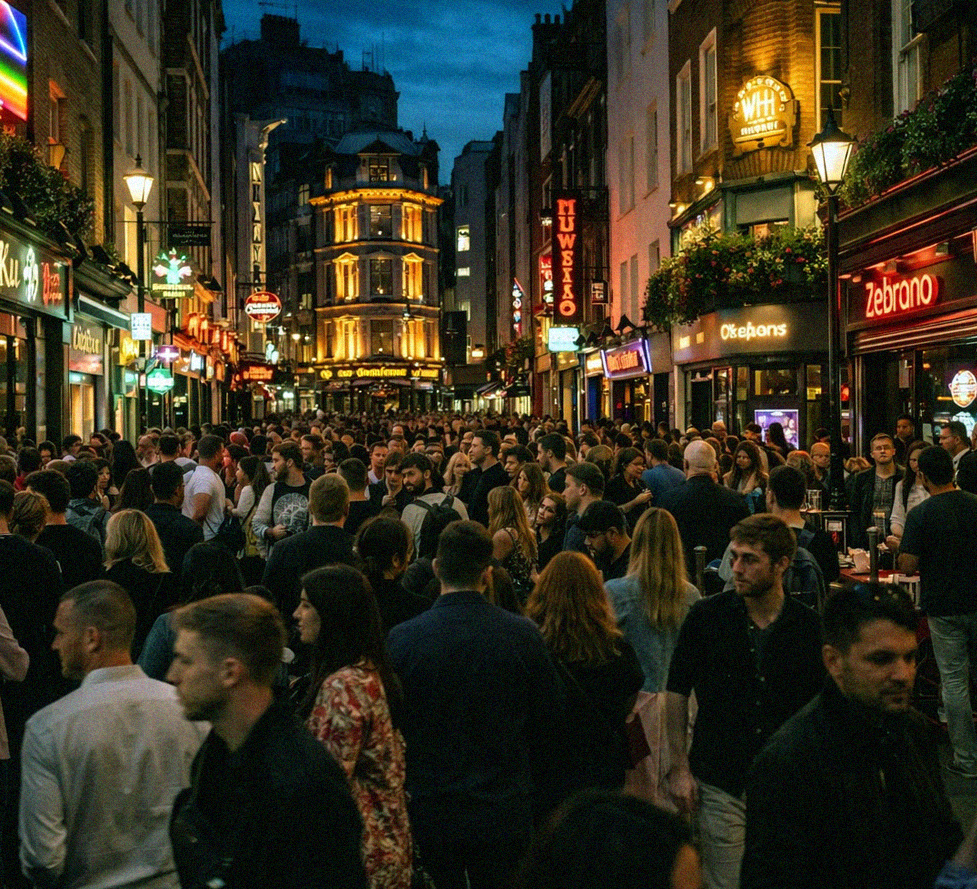
The latest argument in Soho shows how quickly that fight becomes political. In July, a London Assembly exchange over licensing focused heavily on the Soho Society and its approach to late-night applications. Mayor Sadiq Khan described the group's latest policy as a blanket challenge to new late-night applications and existing licences, while Assembly Member Neil Garratt disputed how closely that description matched the Society's actual objection record. The disagreement is useful because it exposes a wider problem: licensing debates often become a proxy battle over what kind of district Soho is supposed to be. The full exchange is available through London City Hall.
A neighbourhood organisation raising a specific concern about one badly operated venue is part of normal city life. Trouble starts when established venues repeatedly have to prove that a district with generations of nightlife behind it should still be allowed to function after midnight. Soho has homes, churches, theatres, restaurants, bars, queer spaces, music venues and businesses that open early in the morning. Those uses rub against each other. The rules need to recognise that reality before every new application turns into trench warfare.
Clubs are under pressure from several directions at once
Noise complaints get attention because they produce clear conflict. They are only one part of the pressure on nightlife. London's own Nightlife Taskforce has identified rising business costs, rent, recruitment, changing audience behaviour, planning, licensing and noise among the issues facing operators. Its 2026 report set out 23 recommendations across licensing, planning, transport, safety, governance and economic support.
That broader picture matters. A club closing after a noise dispute makes a clean headline. A club slowly becoming impossible to run because rent, energy, staffing, insurance and licensing have all moved in the wrong direction is less dramatic, although the outcome is the same: another room disappears from the circuit. For smaller venues, there is rarely enough margin to absorb years of legal uncertainty on top of everything else.
The Taskforce has pushed for more consistent licensing across London, including a common operating standard and closer alignment between planning and licensing. That sounds administrative, and in practice it could be one of the most useful changes on the table. A venue should have a reasonable idea of the evidence it needs, the standards it must meet and the conditions it will be judged against before money has already been sunk into a space.
London already has an Agent of Change policy
One of the strongest tools is already written into London's planning framework. Policy D13 of the London Plan sets out the Agent of Change principle. In practical terms, the party introducing a new conflicting use carries responsibility for managing the impact. New homes proposed beside an established music venue must be designed around the existing sound environment. A new noisy use arriving beside established homes carries the responsibility in the other direction.
That distinction is crucial because it moves part of the argument upstream, into planning and design, where it belongs. Acoustic treatment, layout, glazing, ventilation and disclosure to future residents can be dealt with before anybody moves in. Leaving all of that until a complaint lands years later is a far more expensive way to run a city.
The Eileen House case beside Ministry of Sound remains the classic London example. When residential development was proposed close to the club, Ministry raised the risk that future residents could complain about noise from a venue already operating there. The scheme was redesigned with measures including acoustic glazing, sealed windows and winter gardens, while a deed of easement helped protect the club's existing noise levels. Housing went ahead without pretending the nightclub had arrived afterwards.
It was a workable solution, but it also involved a famous venue with enough profile and resources to fight its corner. A 250-capacity basement does not usually have that leverage. If Agent of Change only works reliably for operators capable of surviving a long planning battle, the policy is doing only part of its job.
Sydney is trying to set the rules before the dispute
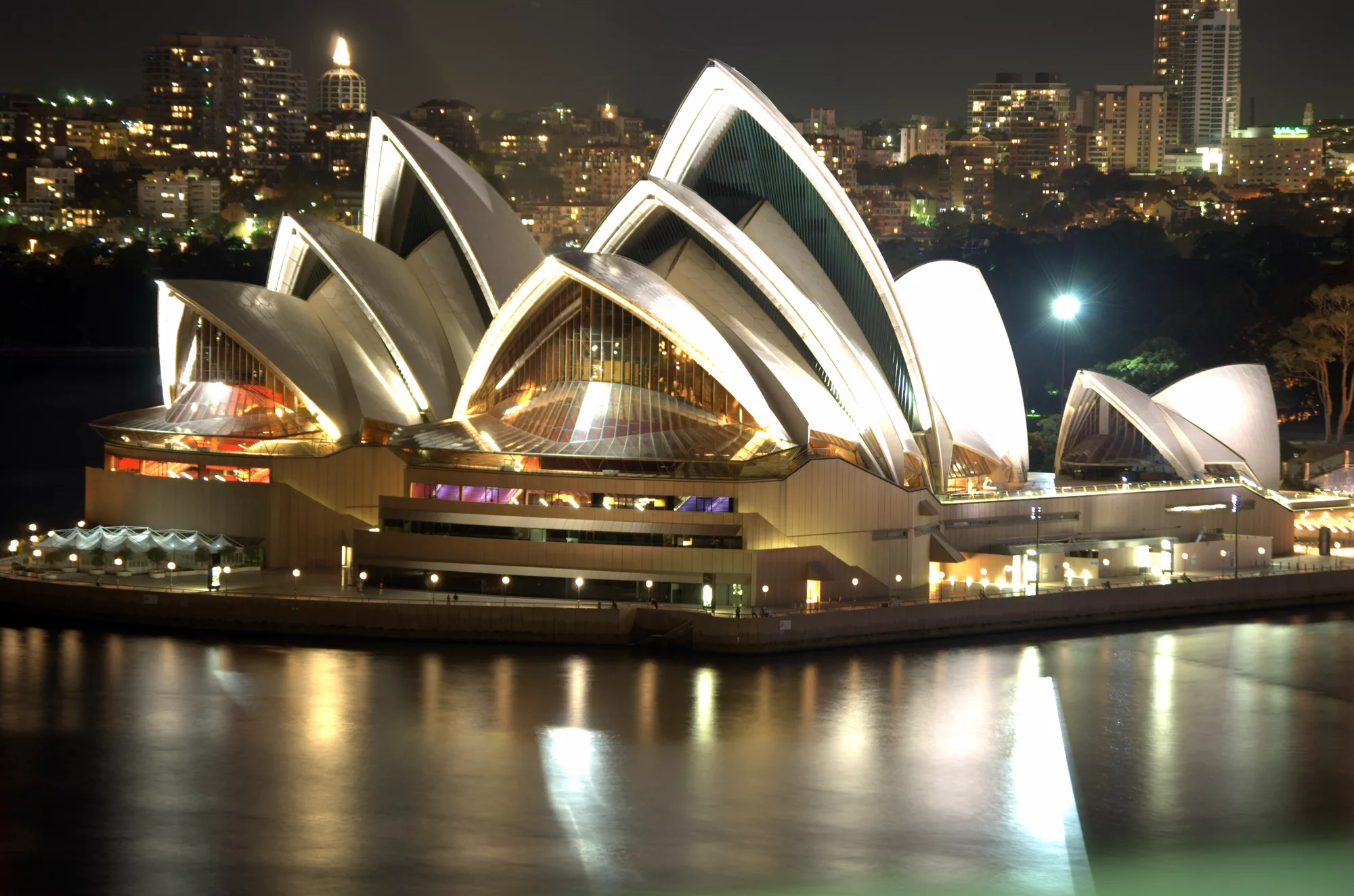
Sydney offers a useful comparison. New South Wales has been expanding Special Entertainment Precincts, areas where councils can set specific sound conditions, trading hours and management rules for nightlife. The framework is designed to give venues, residents and developers clearer expectations around what an entertainment district is for.
The model has moved beyond a single pilot. By May 2026, the NSW Government said nine precincts were operating, with another 23 councils working towards new ones. The City of Sydney has been progressing plans that cover established nightlife areas including the CBD, Oxford Street, Surry Hills and Kings Cross. Its consultation material sets out how precinct-wide rules could work across late-night trading areas; the proposal can be followed through the City of Sydney.
The appeal is predictability. Councils decide where late-night activity should be encouraged and establish sound and trading settings around that decision. Residents moving into those areas receive clearer information. Operators know the framework they are entering. Complaints still exist, and poor operators can still be dealt with, but the basic legitimacy of nightlife in the precinct does not have to be renegotiated from zero every time a licence changes hands.
Cities need to be honest about what they want after dark
There should be consequences for venues that repeatedly ignore sound limits, run chaotic queues or make no serious attempt to work with their surroundings. Protecting club culture does not mean giving operators permanent immunity from responsibility. The same level of seriousness should apply to development decisions.
If a city approves expensive housing beside a long-running music venue, the acoustic consequences belong in the planning process. Buyers and tenants should know they are moving into an active entertainment area. Buildings should be designed accordingly. Established venues need enough certainty to invest in staff, sound systems and programming without wondering whether one future complaint could undo years of work.
This matters because clubs are fragile cultural infrastructure. A good room supports far more than the person in the booth: engineers, lighting crews, bartenders, promoters, cleaners, designers, photographers, security teams and the wider network of labels, record shops and artists that grows around a scene. Once a venue disappears, recreating that ecosystem is much harder than replacing the sign above the door.
Cities benefit from the energy nightlife creates, and they also have to manage the friction that comes with it. Good policy does both. It protects people from genuinely unreasonable disturbance while giving established cultural spaces a fair chance to survive. The bad version is familiar: a district becomes attractive because it has life in it, then slowly regulates that life out of existence.





THE CONVERSATION
Opinions, context and replies from the AT-DJ community.