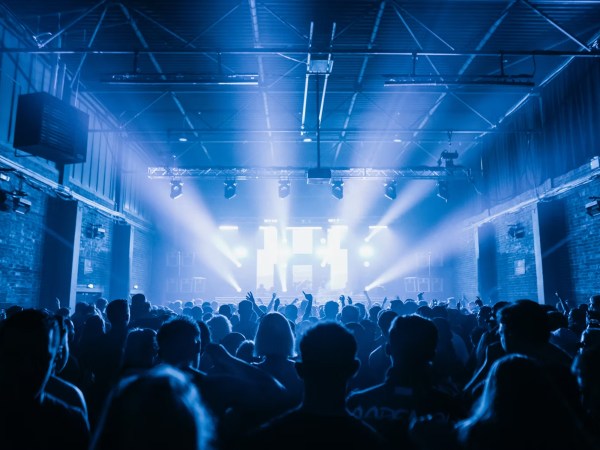
TESTBED is preparing to reopen in Leeds this September after a substantial rebuild that takes the former warehouse venue to a reported 23,000 square feet and a 2,500-person capacity. The Butterley Street site has added a 5,000-square-foot mezzanine, a new stage, upgraded ventilation, four toilet blocks and a custom L-Acoustics L2 sound system. The work changes the room on a practical level before the new season has even begun.
A larger room built around club use
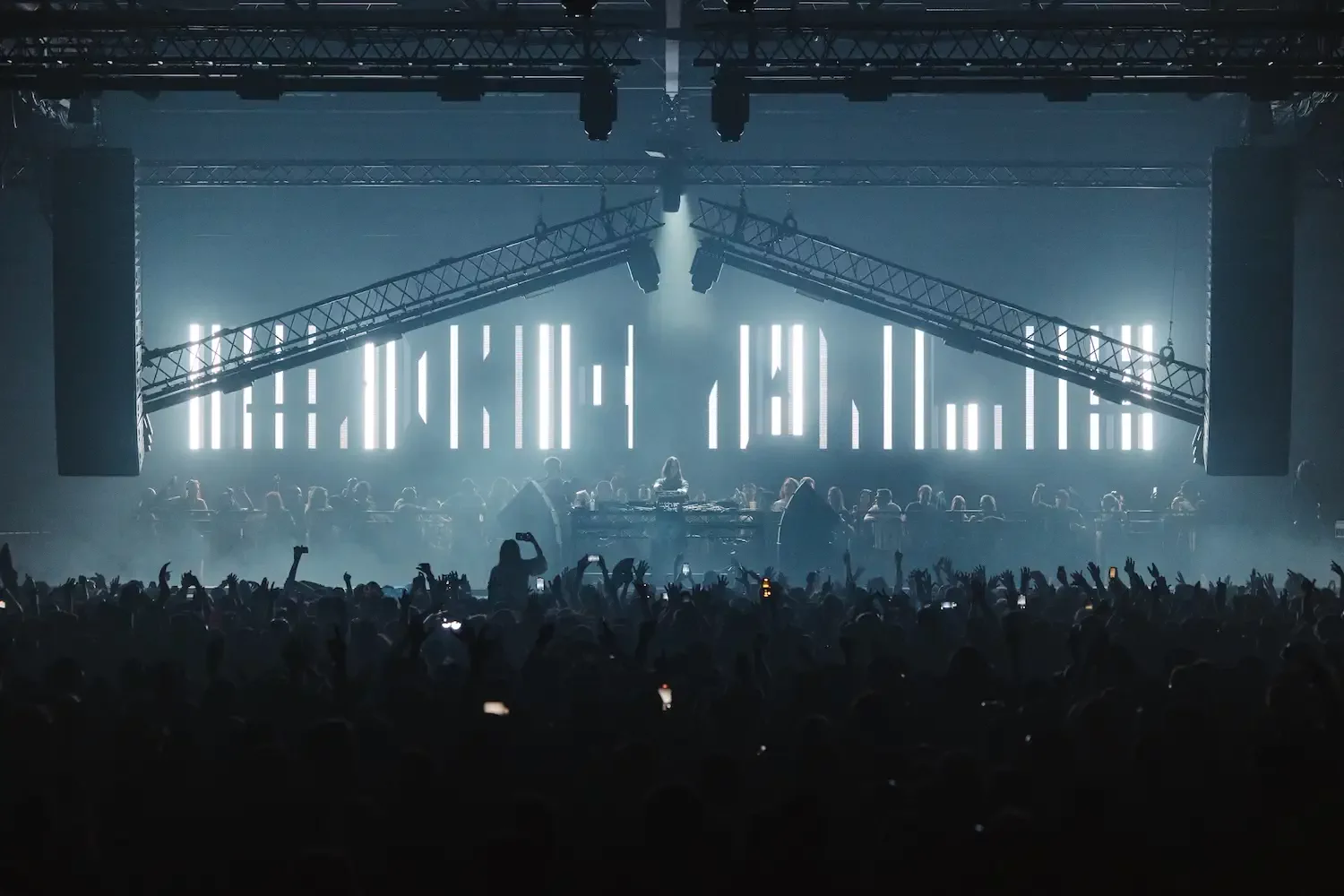
TESTBED started from roughly 10,000 square feet and has now absorbed significantly more of the industrial building. The new mezzanine adds another level without carving the main floor into a conventional theatre layout. In club configuration, the stage is designed so the audience can wrap around the DJ booth, giving promoters the option of a 360-degree setup rather than pushing every performance against one end of the room.
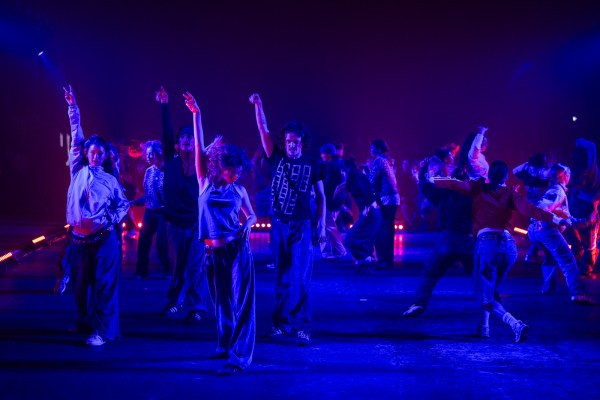
That flexibility matters in a city where electronic bookings regularly move between small basements, student venues, converted industrial spaces and larger concert rooms. TESTBED is clearly aiming at the point where a club night can draw four figures without requiring an arena-style production. The new capacity gives promoters more room to scale while preserving the warehouse character that has defined the site.
L-Acoustics L2 becomes the centre of the technical rebuild
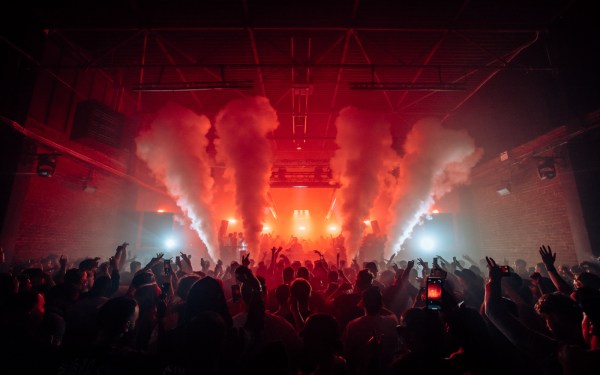
The sound installation is one of the biggest changes. A custom L-Acoustics L2 system has been specified for the main room, alongside a redesigned lighting package from Chauvet. The venue is also adding a large LED ceiling treatment, illuminated strips beneath the balcony and an eight-by-four-metre high-resolution LED wall. Those additions place the technical upgrade well beyond a cosmetic refurbishment.
Large LED surfaces can easily dominate a room, but TESTBED’s club identity will ultimately depend on how sound behaves across the enlarged floor and mezzanine. L2 is a line-source system designed to offer controlled coverage over distance, which is useful in a long industrial space where reflections and level changes can otherwise produce very different listening positions from front to back.
The rebuild also tackles the less glamorous parts
Ventilation and toilets rarely lead venue announcements, but both can decide whether a high-capacity club actually works across a long night. TESTBED says the refurbishment includes upgraded ventilation and four separate toilet blocks. These changes become more important as the building moves from a relatively contained warehouse programme towards a 2,500-capacity operation.
A second room is also under development for 2027. The venue has not published full specifications for that space, so its eventual role in the programme remains open. For now, the September relaunch centres on the main room, mezzanine and a production system designed to handle both electronic nights and broader cultural programming.
An independent venue scaling up in Leeds
TESTBED was founded by Laura Wellington and James Abbott-Donnelly and has developed the site with AMAAD. Its programming has crossed club nights, live music, visual work and other events rather than sticking to a single electronic subgenre. The expansion gives that model more physical headroom at a time when independent UK venues are dealing with rising operating costs and increasingly difficult property conditions.
The first run of events after reopening will provide the real test of the redesign: coverage across the enlarged floor, movement between levels and how the 360-degree booth behaves when the room is busy. On paper, the work gives Leeds a substantially larger independent electronic venue without erasing the industrial frame that attracted promoters to TESTBED in the first place.

THE CONVERSATION
Opinions, context and replies from the AT-DJ community.