

New South Wales has passed the Contemporary Music Act 2026, creating a new legal framework for live-music venues, festivals and government decisions affecting the state’s contemporary music sector. The measures cover venue recognition, dispute mediation, outdoor-event noise assessment and the way public authorities can treat musical genre when making licensing and planning decisions.
The legislation follows the Music Bill introduced in February and sits alongside the state’s ten-year Contemporary Music Strategy. For clubs and promoters, the most immediate changes concern how venues are classified, how certain disputes can move towards mediation, and how sound from major outdoor events is assessed at selected government sites.
A three-tier recognition scheme for music venues
The Act establishes a Music Venue Recognition Scheme with three categories: dedicated live music venues, significant live music venues and live music venues. Recognition is intended to give different types of spaces access to measures suited to their role, including eligibility for government support and, where applicable, extended trading arrangements.
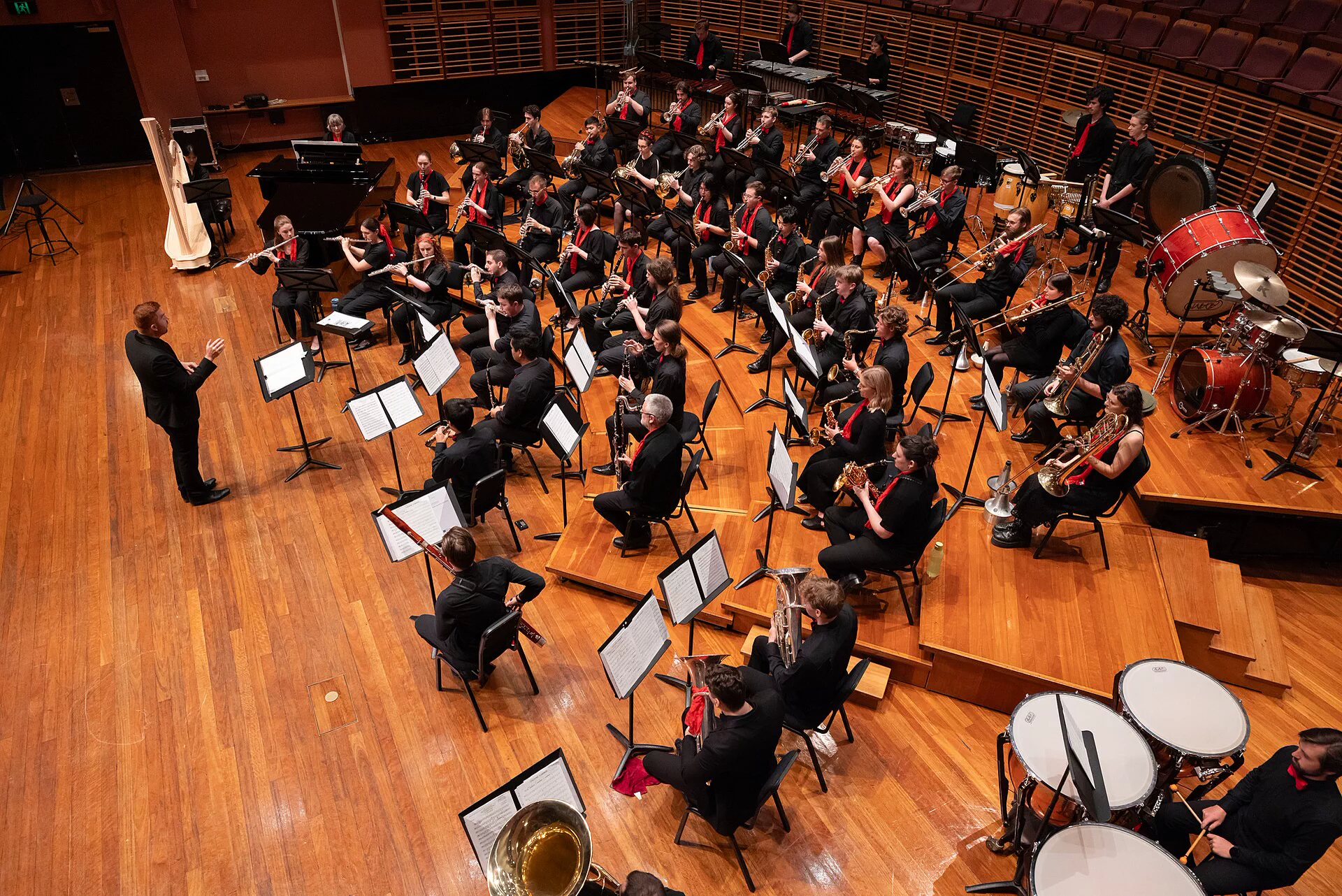
The distinction matters because live music in New South Wales operates across very different rooms: purpose-built concert spaces, clubs where DJ and live programming forms a large part of the business, and mixed-use venues that host music alongside other activity. The legislation gives that difference a formal place in the regulatory system rather than treating every venue under a single definition.
Mediation before some venue disputes reach court
Dedicated and significant live-music venues will be able to use a mediation process for eligible disputes. The framework assigns oversight to a registrar and requires mediation before certain court proceedings can begin. Proceedings can also be paused while mediation is underway.
Noise remains one of the most persistent sources of conflict around music spaces, especially where residential development and long-running venues occupy the same neighbourhood. The Act does not remove noise rules or planning requirements, but it adds a formal route for resolving some disputes before litigation.
Outdoor noise monitoring changes at major government sites
The legislation also changes the assessment method for music events at government sites including Centennial Park, The Domain and Sydney Opera House. Sound levels will be measured using an average over time rather than relying on short peaks. The distinction is technical but relevant to festival production, where a brief transient can produce a very different reading from sustained programme levels.
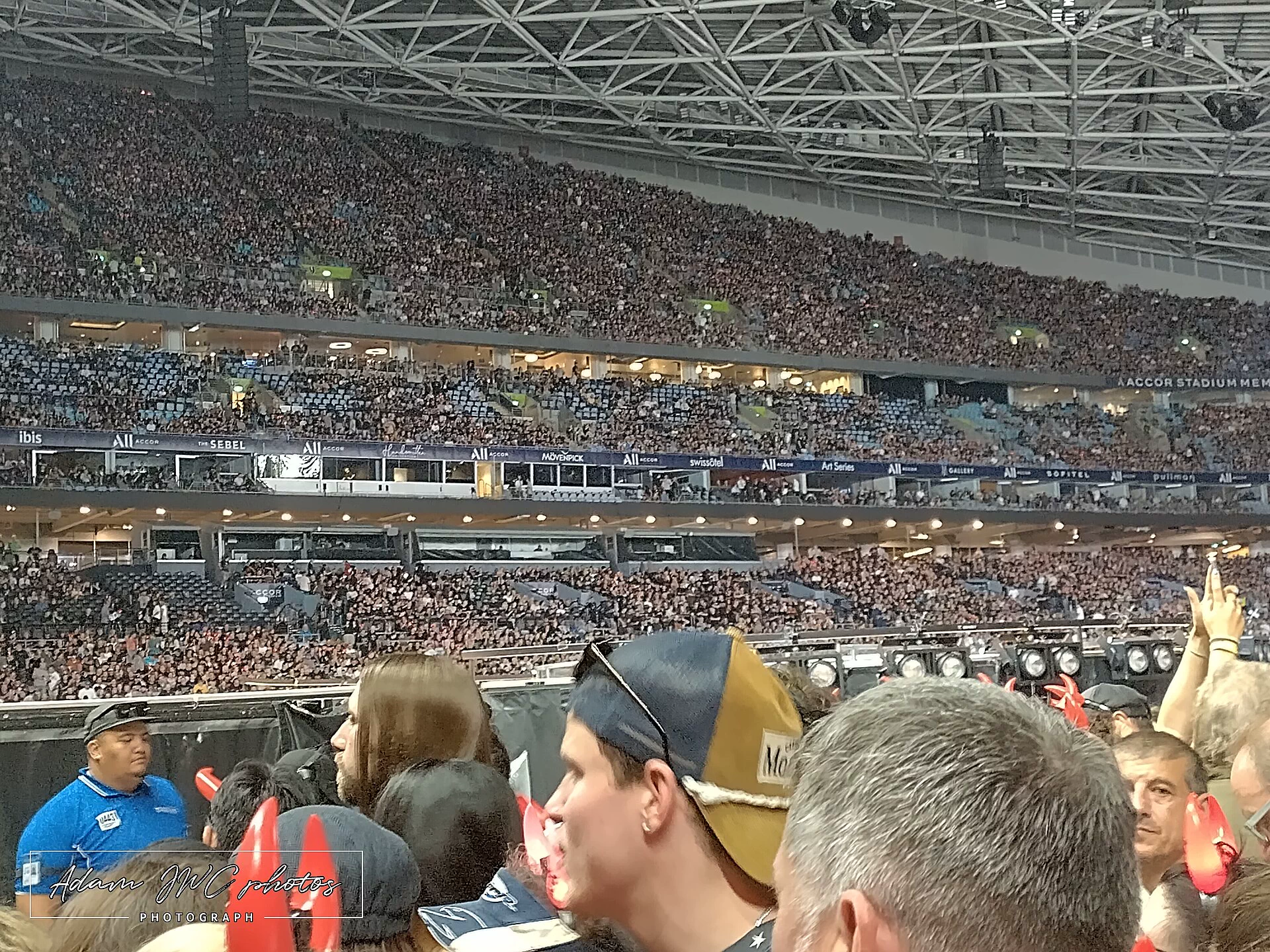
Another amendment changes the definition used for large-scale music festivals so that an event is not placed in that category solely because more than four acts are performing. That removes one automatic trigger while leaving other regulatory tests in place.
Genre cannot be the sole basis for a decision
The Act states that state agencies and local councils cannot make decisions about live music solely on the basis of musical genre. The rule applies to areas including licensing, development applications and event approvals. Authorities can still consider the wider circumstances of an application; the change targets decisions where genre itself is the only determining factor.
- Three-tier Music Venue Recognition Scheme
- Mediation framework for eligible disputes involving dedicated and significant venues
- Time-averaged sound assessment for selected outdoor government sites
- Revised definition for large-scale music festivals
- Genre cannot be the sole basis for specified government decisions affecting live music
The venue recognition scheme is expected to begin later in 2026. Its practical effect will depend on the accreditation process and on how councils, agencies, venue operators and promoters apply the new framework once those mechanisms are running.




THE CONVERSATION
Opinions, context and replies from the AT-DJ community.