
Several nightlife businesses in Digbeth are facing uncertainty as early plans for the Midlands Rail Hub move through consultation. Network Rail’s proposals include widening sections of the Bordesley viaduct between Bordesley and Birmingham Moor Street, alongside new railway infrastructure and additional platforms. Businesses in the affected area have raised concerns about permanent land acquisition, temporary works and compulsory purchase, with venues including Club Colette, Mama Roux’s and XOYO discussed among those potentially exposed to the scheme.
The railway plan cuts through a dense nightlife district
The Midlands Rail Hub is intended to increase rail capacity across Birmingham and the wider region. Network Rail says the programme could support up to 300 additional trains each day when the wider package is complete. The Birmingham section includes work around Bordesley and Moor Street, where existing railway infrastructure runs directly beside streets that hold clubs, bars, studios, creative businesses and event spaces.

Network Rail’s July consultation was explicitly an early stage rather than a final construction order. A screening application submitted to government in August confirms that widening the Bordesley viaduct remains part of the project scope. A further consultation is expected in 2027, with a Transport and Works Act Order currently anticipated later in the process. That timetable matters because property impacts can change as engineering designs are refined.
Digbeth BID is challenging the land impact
Digbeth Business Improvement District, which represents more than 400 organisations, has responded to the proposals with concerns about how much land may be needed both permanently and during construction. The organisation has highlighted the possibility of compulsory purchase and disruption to businesses that rely on continuous public access. For a club, temporary loss of access or a prolonged construction boundary can be as damaging as a permanent acquisition if it removes the conditions needed to trade.
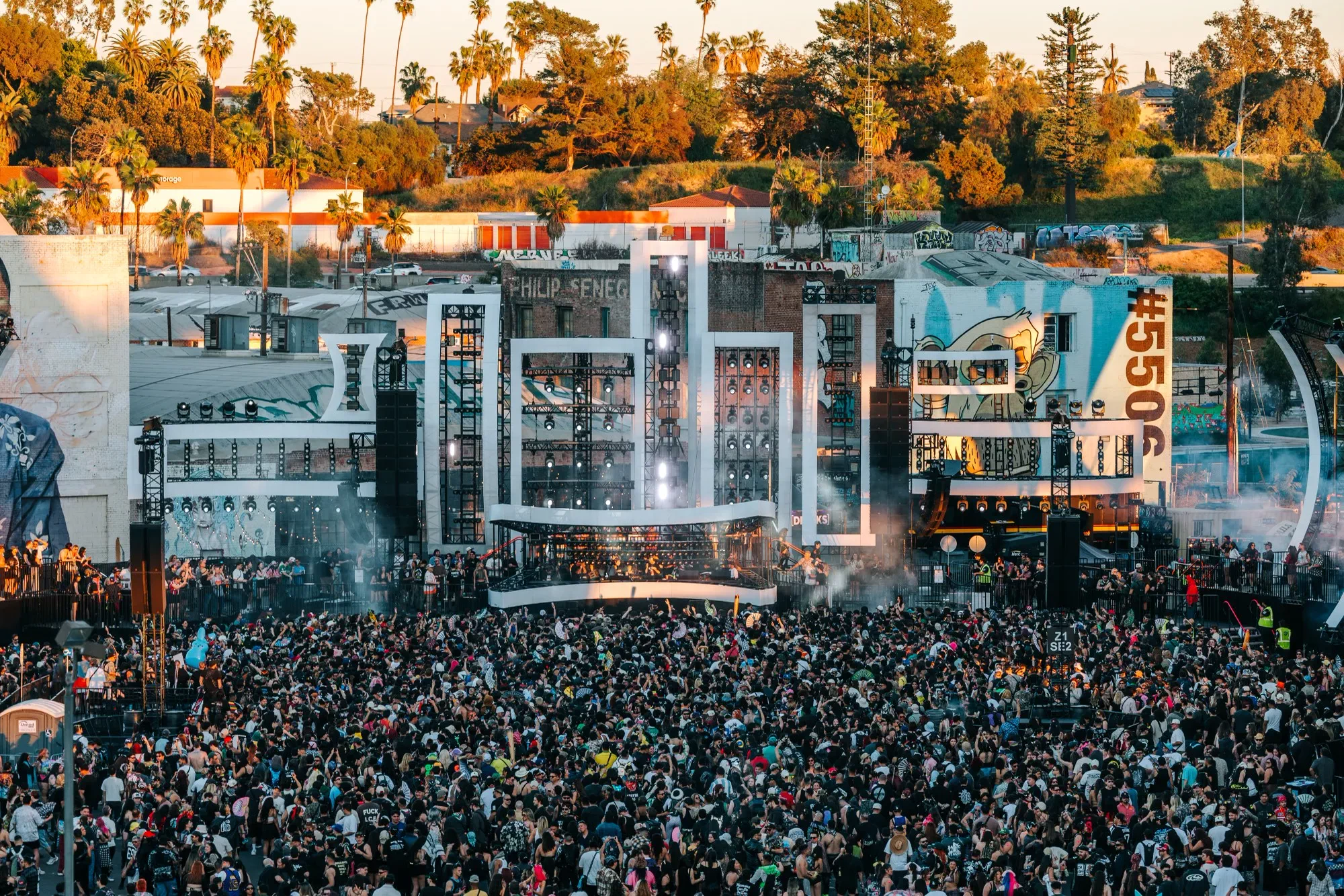
The nightlife cluster around Lower Trinity Street is particularly sensitive because venues feed one another. Club Colette operates at 5 Lower Trinity Street with a programme centred on house, techno and minimal. Mama Roux’s and XOYO bring their own audiences to the same broader district. The value of that concentration lies partly in movement between venues, late transport, food, studios and other businesses that stay active around event hours.
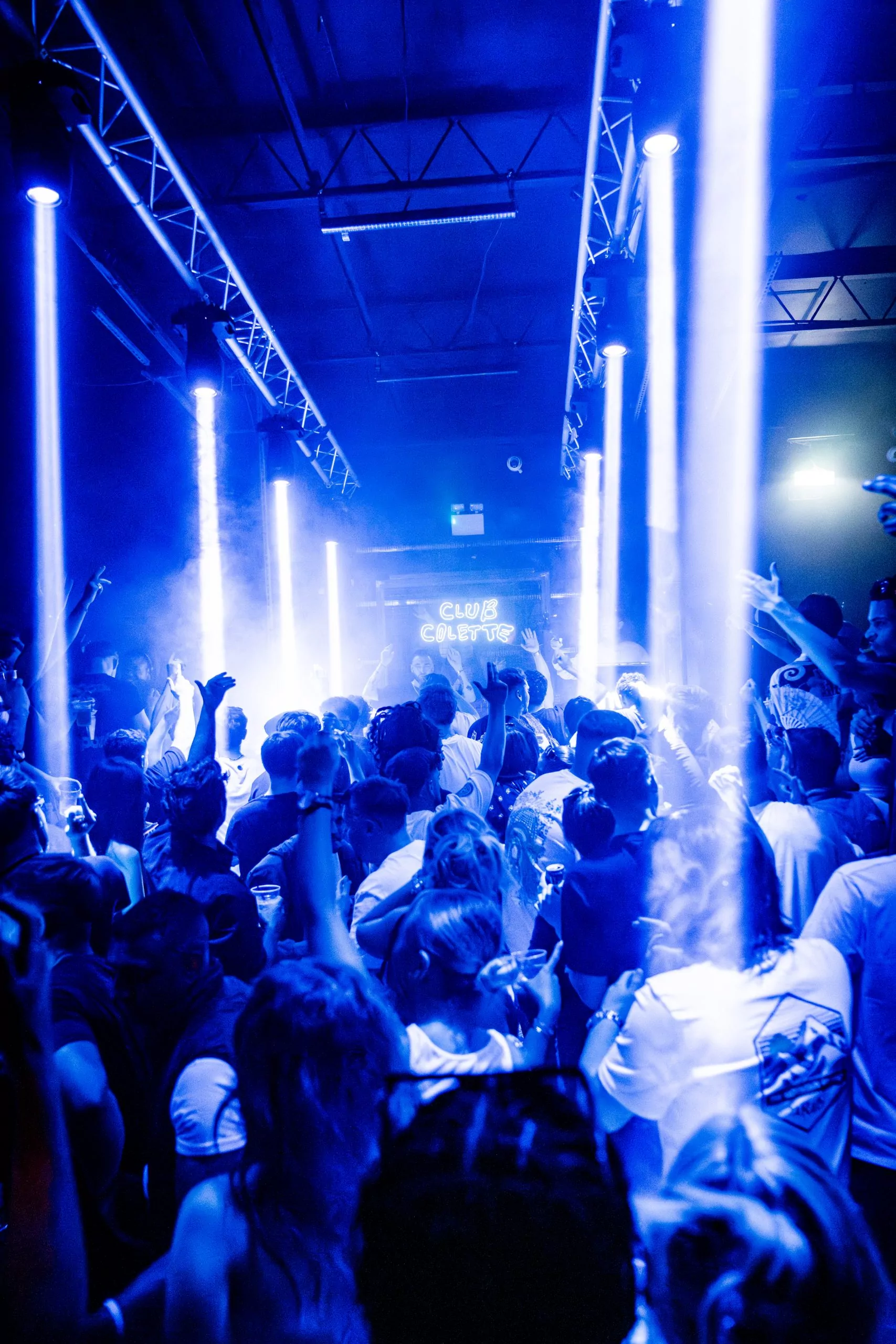
Transport investment and cultural infrastructure share the same streets
Improving rail capacity around Birmingham has obvious public benefits, especially if more regional services can run through the city without forcing passengers to change at New Street. The conflict in Digbeth comes from geography rather than from a simple choice between trains and nightlife. The railway already cuts through a district whose industrial buildings have been reused for music and creative activity, so expanding that infrastructure puts two forms of urban use into the same narrow corridor.
That makes detailed mitigation important. Construction access, noise, road closures, pedestrian routes and compensation can determine whether venues remain viable while works are underway. The current documents do not establish that every named club will be demolished, and it would be premature to present the early plans that way. They do establish enough potential land impact for local businesses to demand clearer answers before the project advances.
The next design stage will be decisive
No final outcome has been set for the affected venues. Network Rail is still developing the project and the next consultation should provide a clearer picture of the required footprint. That gives Digbeth’s businesses an opportunity to push for engineering changes, access guarantees and mitigation before land boundaries harden into a formal order.
For Birmingham’s electronic scene, the issue is worth following closely because the district’s strength comes from density. Losing one room changes a programme; disrupting several neighbouring venues at once changes how an entire night-time area operates. The next set of railway drawings will show whether the project can add transport capacity while keeping that cultural infrastructure intact.


THE CONVERSATION
Opinions, context and replies from the AT-DJ community.