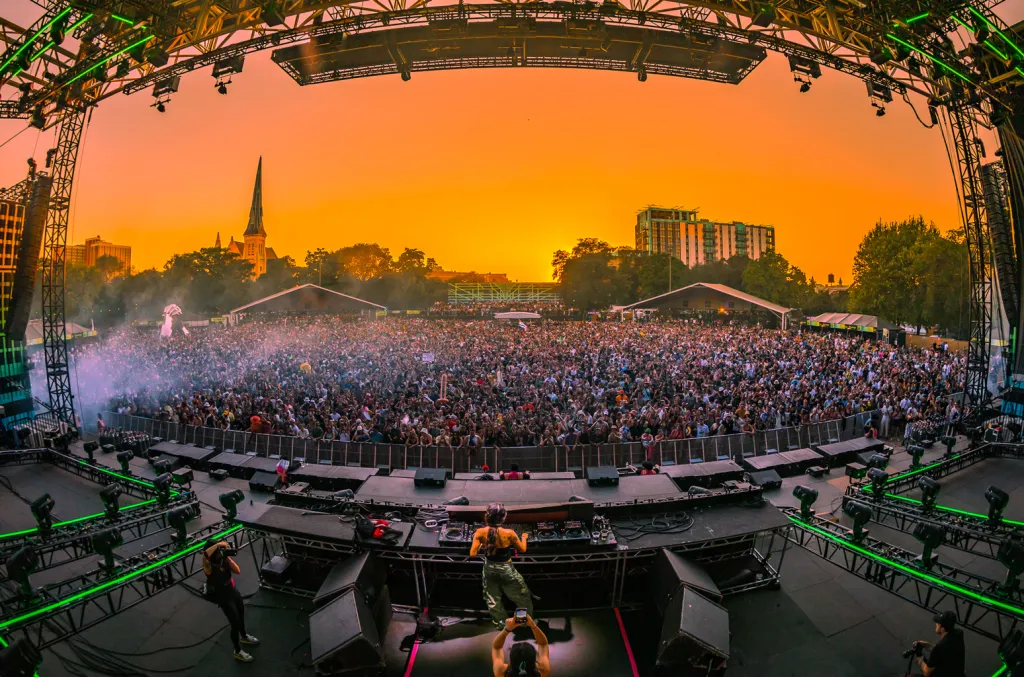
ARC Music Festival returns to Chicago’s Union Park from 4 to 7 September 2026, expanding the Labor Day weekend event to four days. The programme reaches from large-scale names such as Anyma, Michael Bibi, Sara Landry, Underworld, Chase & Status, Honey Dijon and Mochakk to specifically Chicago- and Detroit-rooted sets including The Blessed Madonna b2b Lil’ Louis and Detroit Love with Carl Craig, Moodymann and Stacey Pullen. ARC confirms the dates and passes on its official site.
Four days make programming choices more visible
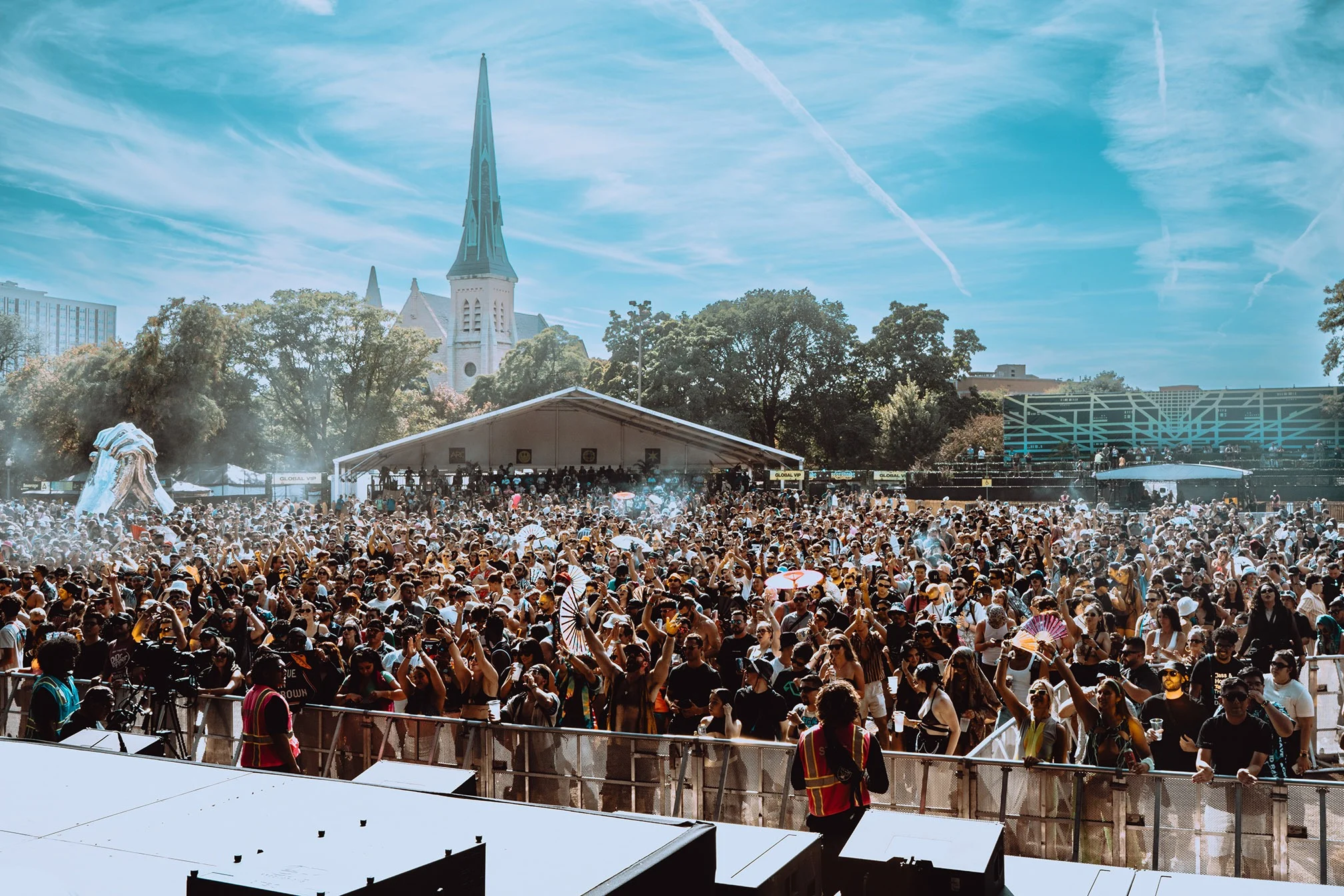
Adding a fourth day is not just a capacity decision. It changes how a festival can pace styles. ARC has always worked with a broad definition of house and techno, combining local lineage with international touring acts. More time creates room for that contrast to be structured rather than compressed. A harder techno set no longer needs to sit immediately beside vocal house simply because the running order has nowhere else to place it.
The 2026 line-up also shows how much the electronic headline economy has diversified. Anyma represents a highly visual, arena-ready end of melodic electronic music; Sara Landry brings a harder industrial scale; Underworld carry decades of live electronic history; Chase & Status connect drum & bass to festival audiences that may otherwise stay inside four-to-the-floor programming. ARC’s identity depends on allowing those differences to coexist without losing Chicago as the centre of gravity.
Chicago lineage is strongest when it is programmed, not merely referenced
The Blessed Madonna b2b Lil’ Louis is one of the clearest examples. Lil’ Louis belongs to the formative history of Chicago house, while The Blessed Madonna represents a later generation whose work has moved between underground clubs, major festivals and pop contexts. Putting them together creates an actual conversation between periods rather than placing a heritage logo in the festival artwork.
Detroit Love offers a similar function from a neighbouring history. Carl Craig, Moodymann and Stacey Pullen carry different strands of Detroit techno and house, and their appearance helps restore a Midwest dialogue that international festival culture often separates into genre boxes. Chicago and Detroit developed distinct sounds, but their DJs, records and dancers have been in conversation for decades.
Union Park has become part of ARC’s identity
A festival gains depth when the site becomes recognisable beyond the stage designs. Union Park gives ARC a fixed urban setting, close enough to the city that afterparties and local clubs remain part of the weekend rather than separate destinations. The event can therefore function as one layer of Chicago nightlife, with the official festival during the day and a wider network continuing after dark.
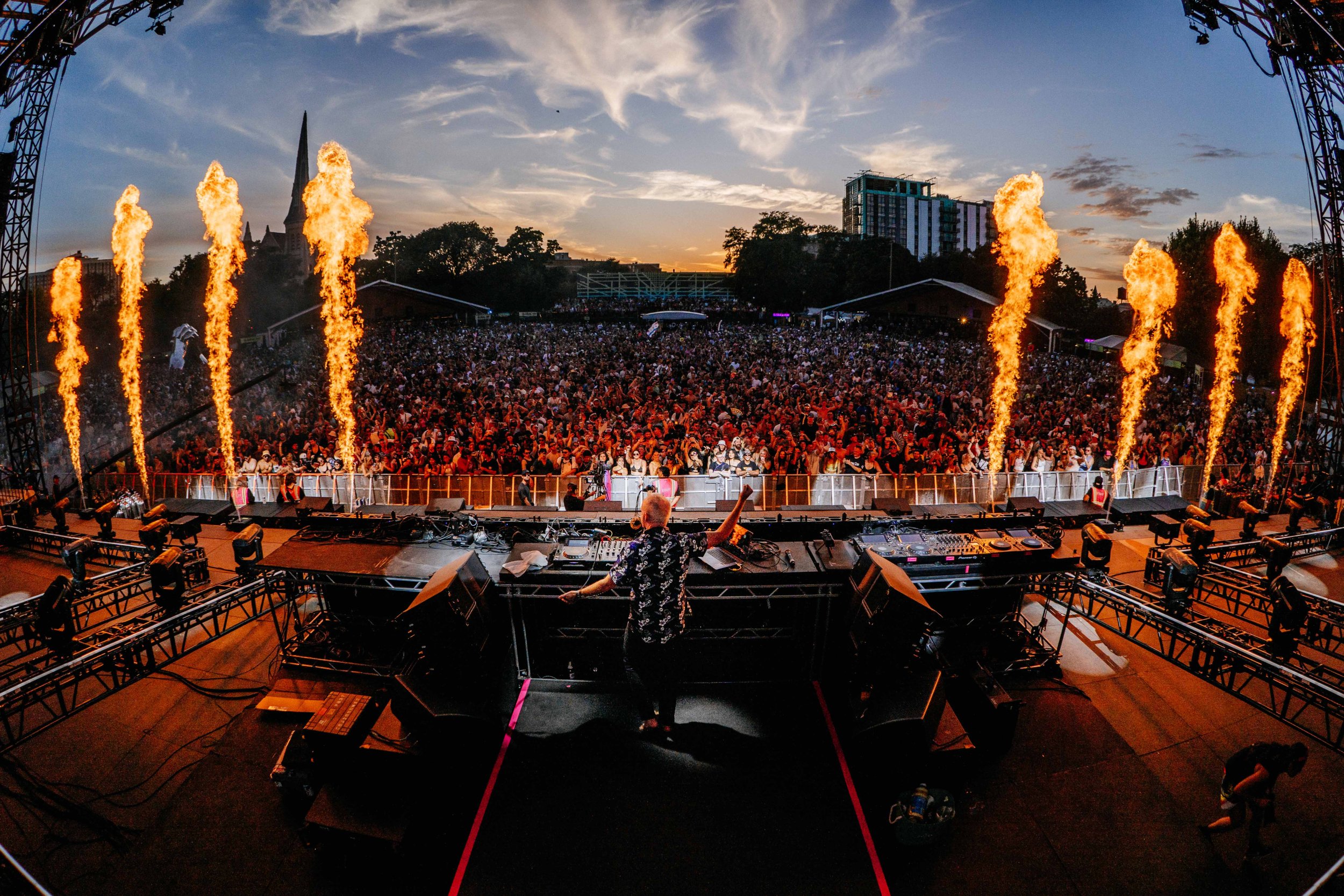
That network matters commercially and culturally. Large electronic festivals can easily absorb attention from smaller venues. In a healthy model, the influx of visitors also creates demand for local parties, restaurants, record shops and promoters. Chicago has enough scene infrastructure for ARC to sit within that ecosystem, though the balance always depends on pricing and access.
The real test is whether scale and history stay in the same frame
ARC has grown quickly, and 2026 pushes that growth further. The danger for any expanding festival is that local identity becomes a decorative origin story while the programme follows the same global booking cycle as everywhere else. This line-up still contains enough Chicago and Detroit DNA to resist that flattening. Four days give the festival more space; what matters is how that space is used. The strongest version of ARC is one where a newcomer can see a global headliner and still leave understanding why Chicago remains central to the music being played.
THE CONVERSATION
Opinions, context and replies from the AT-DJ community.