
ARIA has changed the eligibility rules for Australia’s official music charts, excluding recordings that are wholly generated by artificial intelligence. The new policy applies from the chart dated Monday 31 August 2026 and keeps the door open to music where AI has been used as part of a substantially human creative process. ARIA can also act retrospectively if a recording is later found to have breached the rules.
The line is being drawn around the creative work itself
ARIA’s distinction follows a wider industry effort to separate AI-generated music from AI-assisted music. Under the new framework, a recording created wholly or primarily by generative AI is not eligible for the charts. A track can still qualify when people have created the substantial expressive elements and used AI somewhere inside that process, provided the release also meets the usual chart rules.
That is a more useful boundary than trying to ban the technology by name. AI tools already sit in mastering, restoration, stem separation, search, editing and plenty of less visible studio jobs. A blanket rule would quickly become difficult to apply. ARIA is instead asking who made the music that listeners are actually hearing.
AI-assisted records remain chart-eligible
A producer can therefore use generative tools and still enter the Australian charts if the recording remains substantially human-made. The exact assessment will depend on the creative contribution rather than a simple percentage displayed by a piece of software. ARIA also retains its existing concerns around chart manipulation, so artificial streams, coordinated gaming or other attempts to distort performance can trigger action regardless of how a track was made.
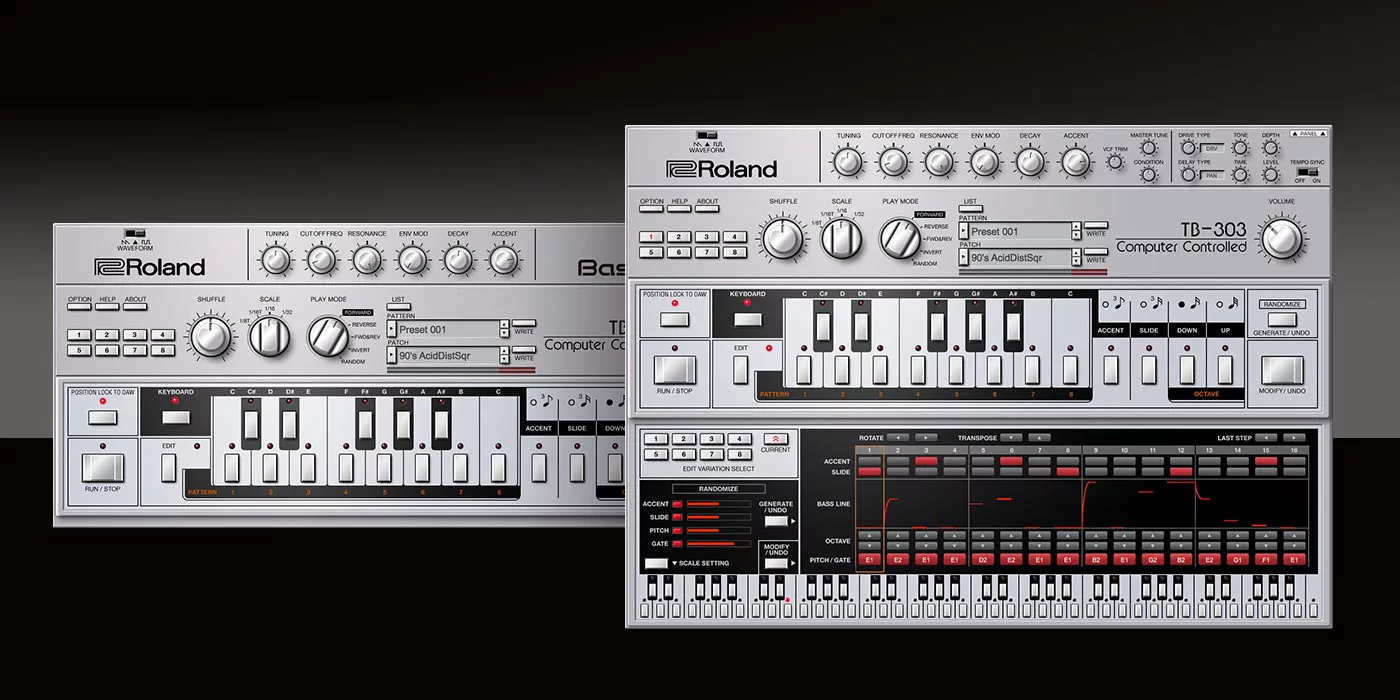
For electronic music, that distinction is especially relevant. Producers have always built tracks with machines that automate or generate parts of a composition: arpeggiators, sequencers, random modulation, algorithmic plug-ins and modular systems all introduce material that was not manually placed note by note. Generative AI adds a different level of autonomy, but judging authorship still requires looking at the actual process rather than panicking every time a computer does something clever.
ARIA can remove chart positions and awards after the fact
The policy has teeth beyond eligibility at the point of release. ARIA says it can remove a recording from the charts, adjust historic chart positions, withdraw sales accreditations, revoke a number-one award and make a release ineligible for the ARIA Awards if later evidence shows that it should not have qualified. There is also a dispute process for rights holders who want to challenge a decision.
That retrospective power matters because metadata supplied at distribution level may not always reveal how a recording was created. A track could chart before questions about its origin become clear. The new rules give ARIA a mechanism to correct the record rather than leaving an ineligible release permanently embedded in chart history.
Australia is part of a wider chart-policy shift
ARIA’s update follows principles developed through IFPI and national chart organisations. IFPI has also introduced voluntary labels for AI-Generated and AI-Assisted recordings, giving services and rights holders a shared vocabulary when disclosing how music was made. The organisation’s chart principles add two further ideas: recordings should be lawfully created with properly authorised services, and chart activity must represent genuine human consumption rather than automated manipulation.
The interesting part is that ARIA has avoided the easiest headline — ‘AI banned from the charts’ — because that would not describe the rule. Human-led records can use the tools. Fully generated material cannot take a place in the official ranking. That line will inevitably be tested by awkward edge cases, but at least there is now a line to test.





THE CONVERSATION
Opinions, context and replies from the AT-DJ community.