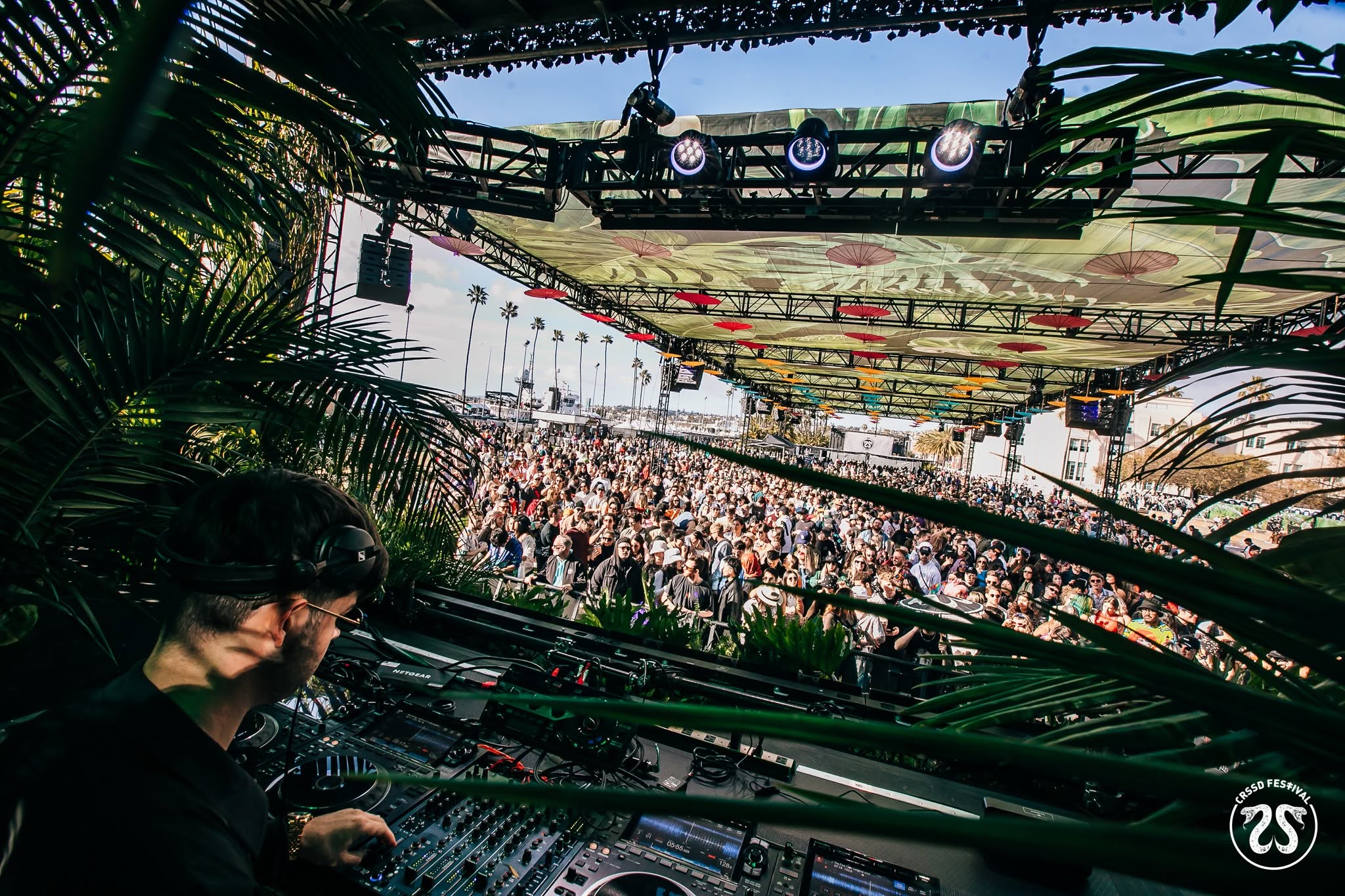
CRSSD Festival returns to San Diego’s Waterfront Park on 26 and 27 September 2026 with a line-up that deliberately splits electronic music into several different listening environments. Chris Lake b2b Disclosure, Mochakk, Skepta Más Tiempo, Ben UFO, Helena Hauff, I Hate Models, Boys Noize, 999999999, KETTAMA, VTSS and Sébastien Tellier are among the confirmed names. The full line-up and 21+ entry policy are listed on the official CRSSD site.
Three stages still define the festival better than one genre label
CRSSD’s strength has long been its stage identities. Ocean View, The Palms and City Steps divide the weekend into different musical functions rather than forcing everything through one idea of electronic music. Ocean View can make room for live acts and crossover material; The Palms leans toward house and groove; City Steps carries a colder, harder or more experimental club edge. The 2026 line-up continues that structure.
That separation helps explain why names as different as Sébastien Tellier, I Hate Models and Skepta’s Más Tiempo project can appear on the same poster without the festival feeling completely random. They are not expected to solve the same musical problem. The site architecture does some of the editorial work, giving audiences an intuitive sense of where different energies belong.
The headline b2b reflects a festival-scale house moment
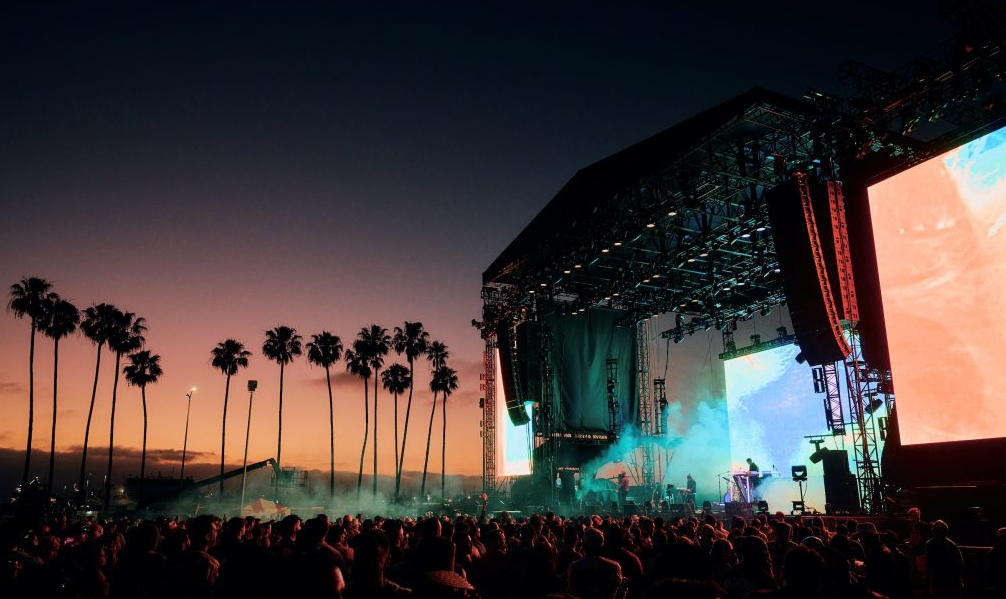
Chris Lake b2b Disclosure is an obvious centrepiece. Both acts have moved far beyond niche club recognition while retaining a direct connection to house production. Disclosure bring songwriting and live-performance history; Lake represents a more DJ-centred, bass-forward strand that has become huge in North American festivals. A b2b between them is less about technical novelty than about how mainstream house has become without necessarily losing its dancefloor mechanics.
Elsewhere, Mochakk, Sonny Fodera, Rossi. b2b Carlita, Prospa and KETTAMA show how many different house and rave-derived languages now sit comfortably in large outdoor contexts. The scene is less dominated by one tempo than it was a few years ago, and CRSSD takes advantage by programming swing, garage pressure and melodic material next to more conventional four-four sets.
City Steps keeps the sharper edge intact
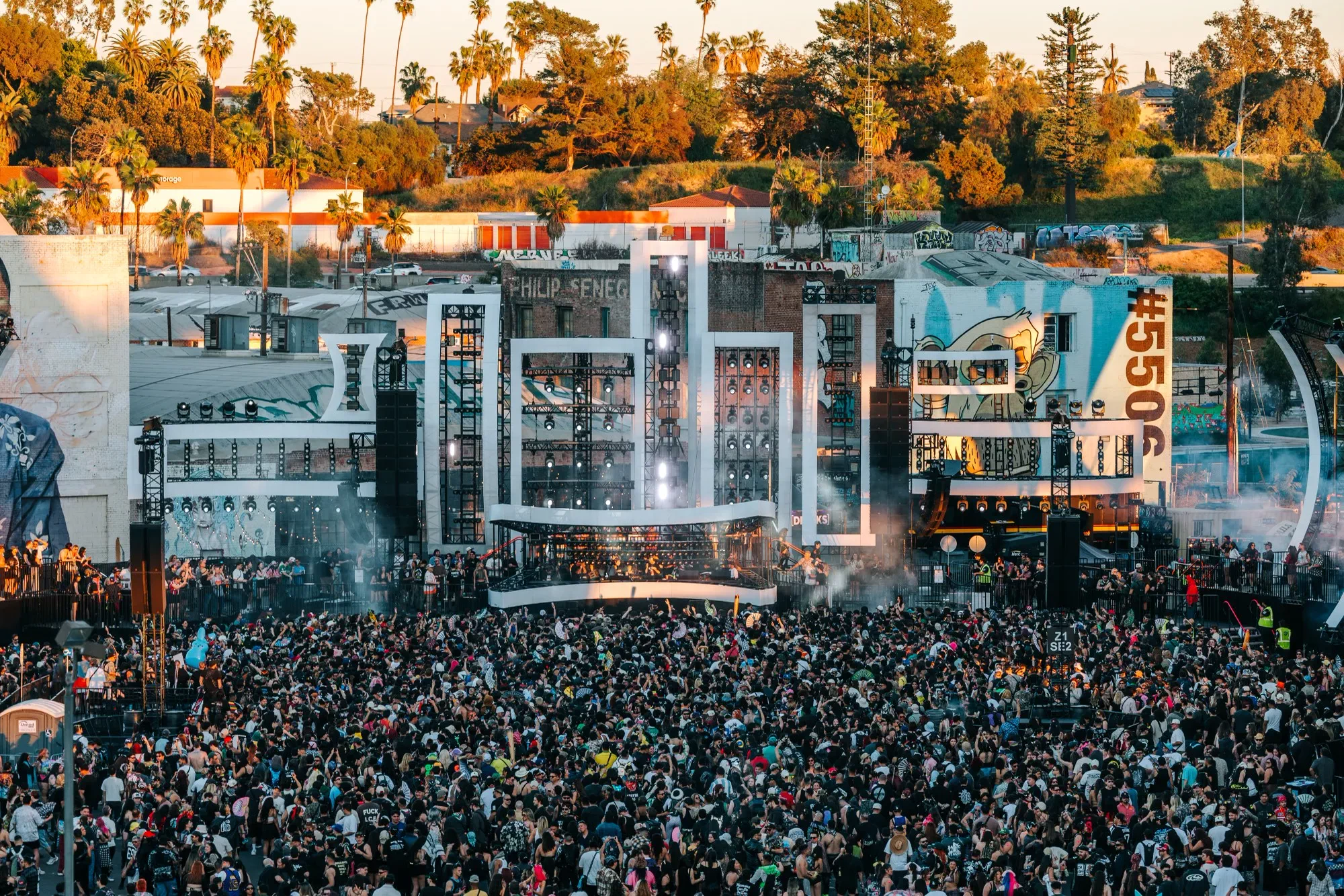
The City Steps roster is where the festival preserves a more uncompromising club identity. 999999999, Helena Hauff, I Hate Models, VTSS, Ben UFO and Boys Noize are very different DJs and live acts, but all can push a crowd away from easy background listening. Ben UFO may move through bass, techno and broken rhythm; Helena Hauff can make electro and acid feel brutally direct; I Hate Models operates at a more maximal, emotional intensity.
That range is important in California, where festival audiences are often offered polished EDM or tech-house formulas at scale. CRSSD has built credibility by keeping room for darker, stranger and less predictable selections within a visually attractive waterfront setting. The contrast is part of the appeal rather than something the programme needs to hide.
San Diego’s after-hours network extends the weekend
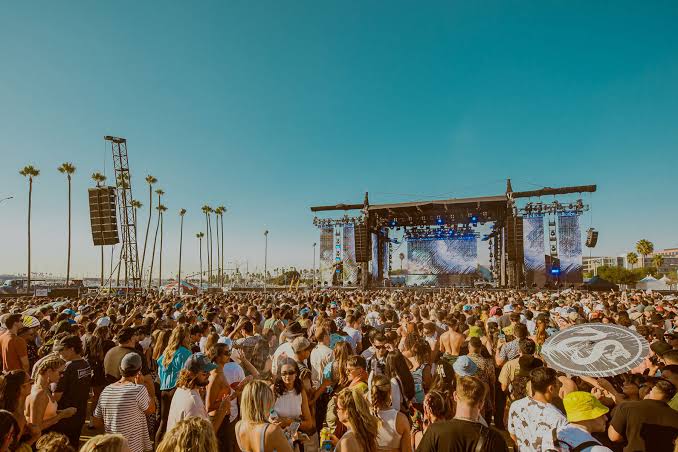
CRSSD also operates through a wider series of club events and After Dark programming, allowing the festival to spill into venues around San Diego. This gives artists a chance to play differently after the main site closes and gives audiences a route from outdoor spectacle back toward smaller-room dynamics. That relationship between festival and city is one of the reasons the brand has lasted since the middle of the last decade.
The September edition looks strongest when viewed as a set of parallel scenes rather than one giant line-up. Ocean View, The Palms and City Steps give dancers permission to choose a mood and stay with it, or to cross between worlds throughout the weekend. In a festival market obsessed with headline size, that kind of programming structure remains one of CRSSD’s most useful ideas.
THE CONVERSATION
Opinions, context and replies from the AT-DJ community.