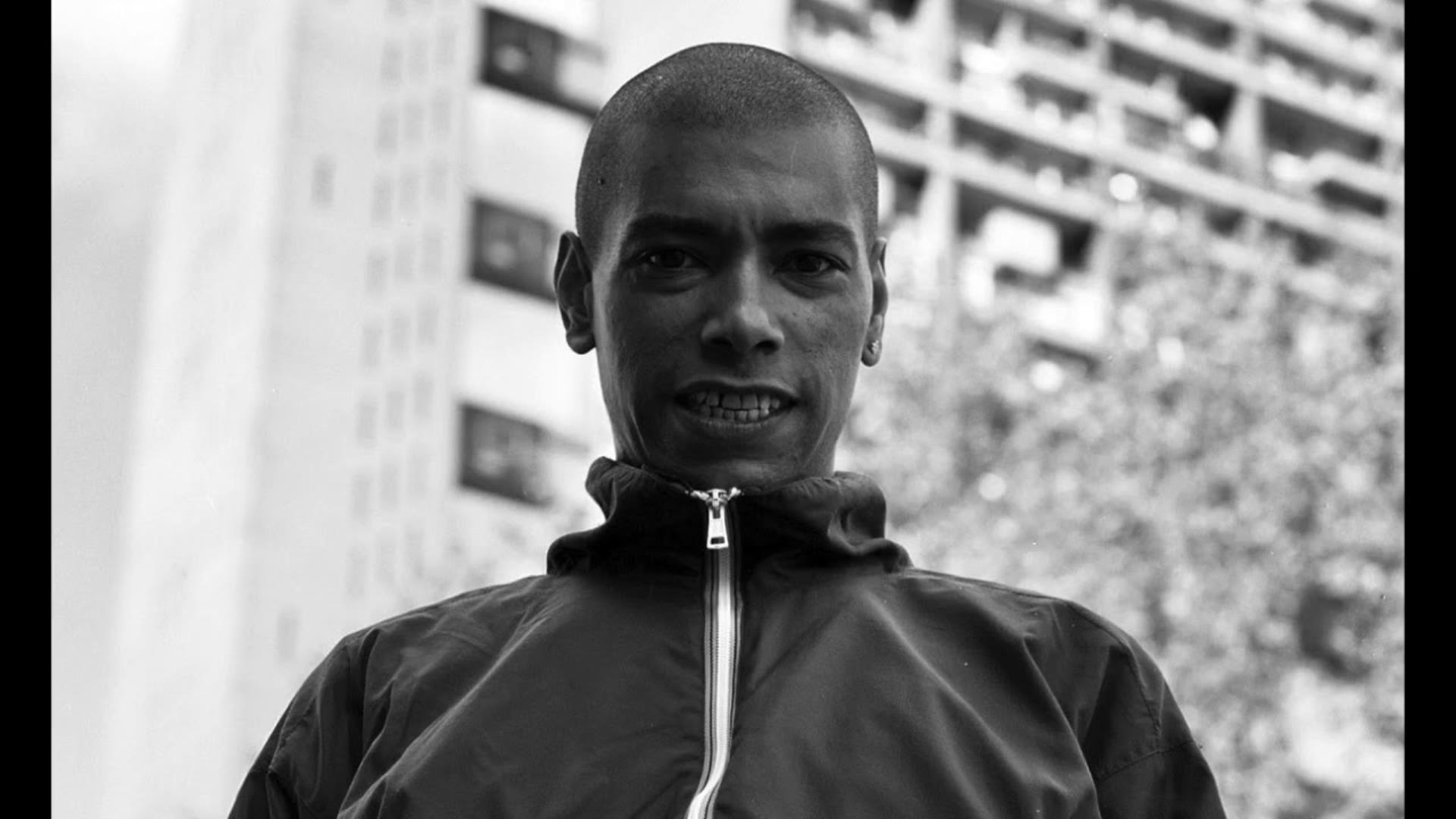
Dave Angel has returned to R&S Records with A Time And Place, a full-length record that reconnects one of British techno's most distinctive producers with the label that released his breakthrough material in the early 1990s. The reunion is not being presented as an exercise in restoration. Instead, the album uses that shared history as a point of departure for music shaped by jazz, soul, machine rhythm and a long habit of looking beyond techno's most obvious forms.
Thirty-five years after 1st Voyage, Angel still works with a recognisable sense of movement. His tracks rarely feel locked to a single loop. Chords open, percussion shifts and basslines carry melodic information rather than simply adding weight. A Time And Place
A return to R&S without looking backwards
The link between Angel and R&S matters because both artist and label were part of a period when European techno was still defining its relationship with Detroit, breakbeat, ambient music and the rave continuum. Angel's early work stood out for its warmth and harmonic detail. It could move a large room without flattening its influences into a single, severe vocabulary.
That history gives the new album context, but it does not dictate the sound. The official notes describe the project as a continuation of a creative relationship rather than a revival. This is the right frame. Angel has spent decades refining a language that is already his own, and the value of returning to R&S lies in the freedom to extend it rather than reproduce an earlier chapter.
Jazz remains a method, not a decoration
Angel grew up around live music and jazz culture, and those foundations have always been audible in his approach. On his records, jazz influence does not usually arrive as a sampled horn or a cosmetic chord. It appears in the arrangement: parts interact, motifs return in altered form and rhythm sections have room to breathe.
That sensibility is especially effective across an album. A club track can rely on one strong functional idea, but a long player has to sustain attention through contrast. Angel's strength is his ability to shift density without losing momentum. A stripped section can feel like a compositional decision rather than a breakdown inserted by habit.
The result sits comfortably within techno while refusing the genre's narrowest expectations. There is drive, but also colour. There are clean machine patterns, but they are arranged with an ear for human phrasing. The music does not ask listeners to choose between physical impact and musical detail.
The album format suits Angel's wider vocabulary
For producers with a long club history, albums can become awkward showcases, divided between functional tracks and slower interludes. A Time And Place
The full-length format also allows him to foreground influences that might be less obvious in a peak-time set. Soulful harmony, suspended chords and quieter transitions can carry equal weight beside harder rhythmic passages. None of this softens the record. It gives the force somewhere to come from and somewhere to go.
That balance is increasingly rare in contemporary techno, where production can be highly polished but structurally impatient. Angel's music trusts repetition without treating it as stasis. Small changes accumulate, and the listener is asked to notice how the track is being reshaped rather than wait for a dramatic drop.
A veteran record with present-tense purpose
It would be easy to frame the album around longevity alone. Angel has been active long enough to have influenced several generations, and his catalogue provides ample material for retrospective praise. Yet A Time And Place
There is no need for him to chase the production habits of younger artists. His relevance comes from precision, judgement and a sound that remains open to change. The album's connection to R&S reinforces that point: the strongest partnerships survive because both sides allow movement, not because they freeze a successful moment.
For listeners who know Angel mainly through classic releases or festival appearances, the record offers a fuller picture of his musical thinking. For those who have followed his work closely, it confirms that the melodic intelligence of his early material was never a period detail. It remains the engine of the music.
A Time And Place earns its title
The title suggests memory, location and the awareness that music is heard differently across stages of a life. Angel does not turn those ideas into a heavy concept. They sit within the record as practical questions: what remains useful, what changes and how can familiar tools produce another perspective?
The answer is found in the arrangements. Rather than announce maturity, the album demonstrates it through restraint. Sounds are given space, transitions are patient and the rhythm never has to shout to establish authority. That confidence makes the record feel grounded without becoming static.






THE CONVERSATION
Opinions, context and replies from the AT-DJ community.