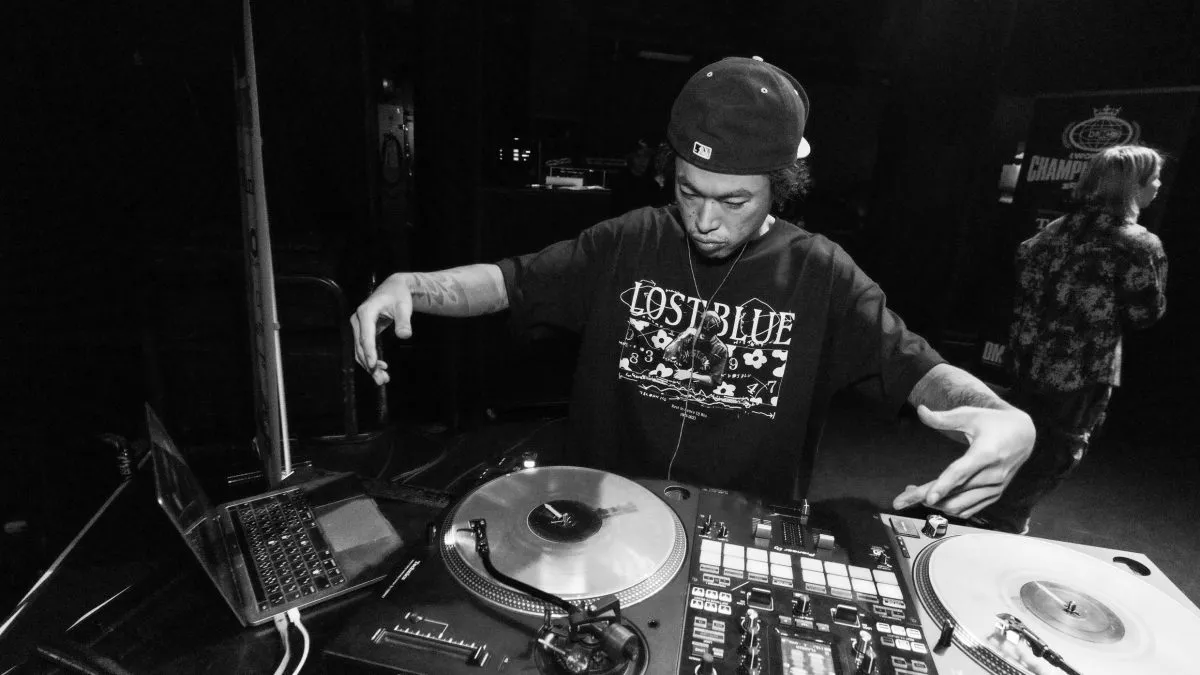
The DMC World DJ Championships are heading back to London this November for a two-day programme split between Camden Stables and KOKO. The 41st edition opens on Friday 13 November with the Battleground elimination stage, before the World Finals move into KOKO on Saturday 14 November. The first artist announcement already gives the weekend a clear shape, with A-Trak, Craze, DJ Koco and Skratch Bastid confirmed alongside the competition itself.
That balance matters. DMC has always been more than a technical contest, but the pressure of the battles remains its centre of gravity. The London edition is being framed as both a championship and a wider celebration of turntablism, with national winners, wildcard entrants and invited performers sharing the same weekend. At a time when DJ culture is often reduced to festival billing and social reach, DMC still places hands, timing, selection and nerve directly in view.
DMC41 splits the pressure across two London venues
Friday's Battleground takes place at The Stables in Camden Market from 15:00 until late. This is the elimination stage, where competitors have to make an immediate case for themselves under compressed conditions. Routines at this level are not simply displays of speed. The strongest ones build tension, make room for musical ideas and use technical difficulty as part of a larger structure.
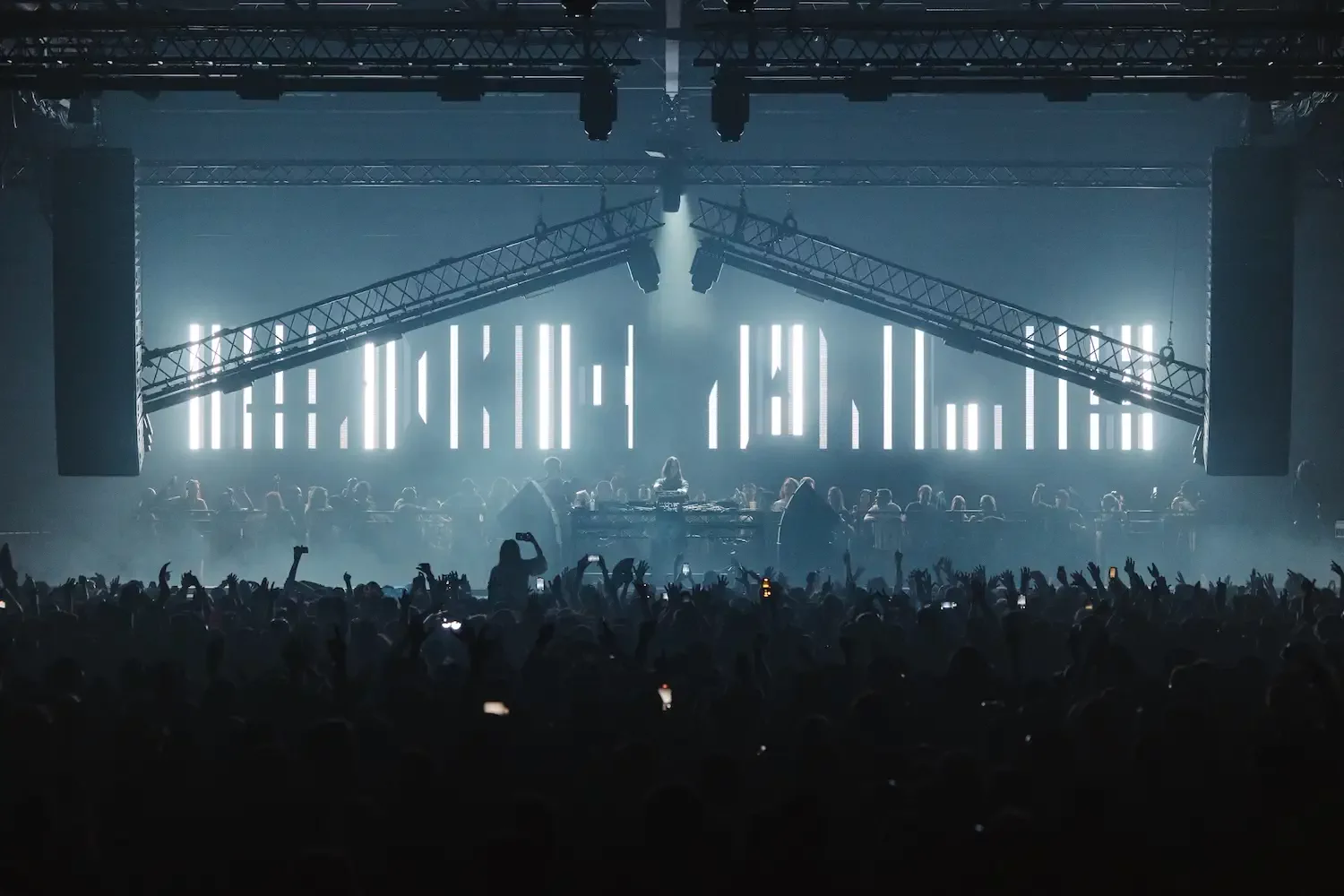
The following day shifts to KOKO, a room with enough scale and history to give the finals a different weight. The official programme lists the World Finals on 14 November, with the main championship event running into the evening. Moving from a close-quarters elimination setting to a major London stage should sharpen the contrast between qualification and final performance.
A-Trak, Craze and DJ Koco connect different eras
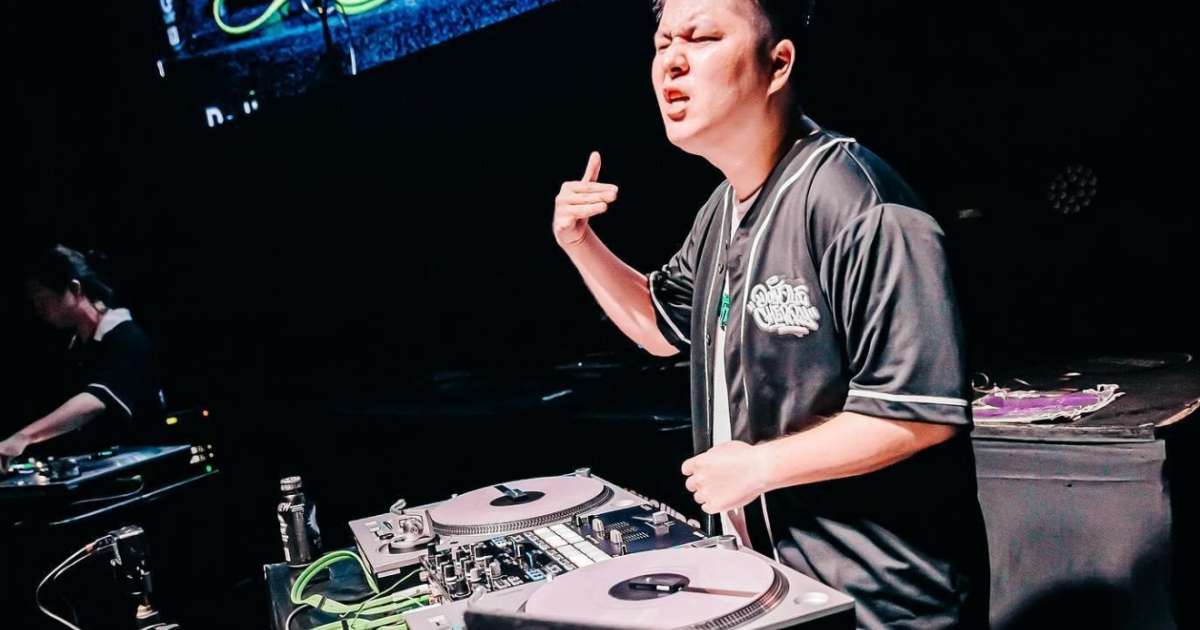
The first wave of guests is carefully chosen. A-Trak and Craze are both former champions whose careers helped push battle technique into clubs, records and international touring. Their presence gives the weekend a direct line back to DMC's competitive history, but neither has spent the past two decades living on nostalgia. Both have continued to treat turntable skill as a practical musical language rather than a museum piece.
DJ Koco brings a different but complementary energy. His compact vinyl sets, often built around seven-inch records, have made selection, control and physical dexterity visible to a new audience without turning the process into a lecture. Skratch Bastid, meanwhile, has long moved between battle culture, open-format club sets and collaborative performances. Together, the names suggest a programme interested in how turntablism survives outside the narrow frame of competition.
That is a useful distinction. Battle DJing can become self-contained when technique stops serving rhythm or musical communication. The artists announced for London are all capable of demonstrating virtuosity while still keeping a room moving. For younger competitors, that may be as instructive as any rulebook.
The 2026 championship has a genuinely global route
DMC's 2026 season runs through national branches and finals across Europe, Asia, the Americas and the Middle East. The official calendar includes events in the USA, Iberia, Kazakhstan, Thailand, Japan, the UK, Switzerland, India and elsewhere before the London finals. Wildcard categories widen that route further, allowing DJs to enter through submitted routines rather than a single national pathway.
The organisation says the 2026 wildcard stage attracted more than 150 entries from around the world. That figure is important less as a marketing number than as evidence that the competitive format still has reach. Bedroom practice, short-form video and controller culture have changed how skills circulate, but the desire to build a complete routine and test it against others has not disappeared.
Why the DMC format still matters
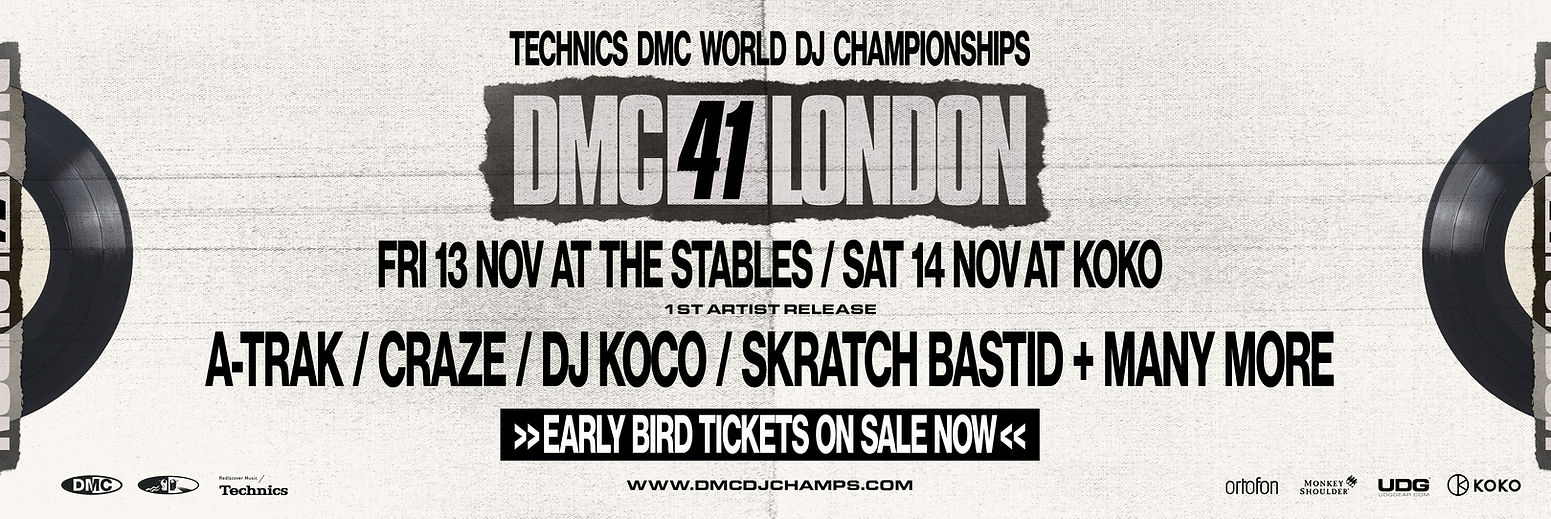
The modern DJ booth hides a great deal. Sync, prepared edits and increasingly sophisticated software can all be used creatively, but they can also make the physical decisions behind a set harder to read. DMC does the opposite. Every cut, cue, juggle and transition is exposed. Mistakes are audible, recovery matters and a routine has to hold together in real time.
That visibility is part of the event's continuing appeal. The championship is not a referendum on how all DJs should perform, and battle technique is not automatically more authentic than other approaches. It is, however, one of the clearest places to watch craft under pressure. The audience can hear when a difficult passage lands and when an idea is technically impressive but musically flat.
Tickets for both days are available through the official DMC channels and venue ticketing pages. With the Battleground on Friday and the finals at KOKO on Saturday, the weekend gives London two distinct views of the same culture: the concentrated tension of qualification, then the larger theatre of a world title. Forty-one editions in, DMC still knows how to make the mechanics of DJing feel immediate.


THE CONVERSATION
Opinions, context and replies from the AT-DJ community.