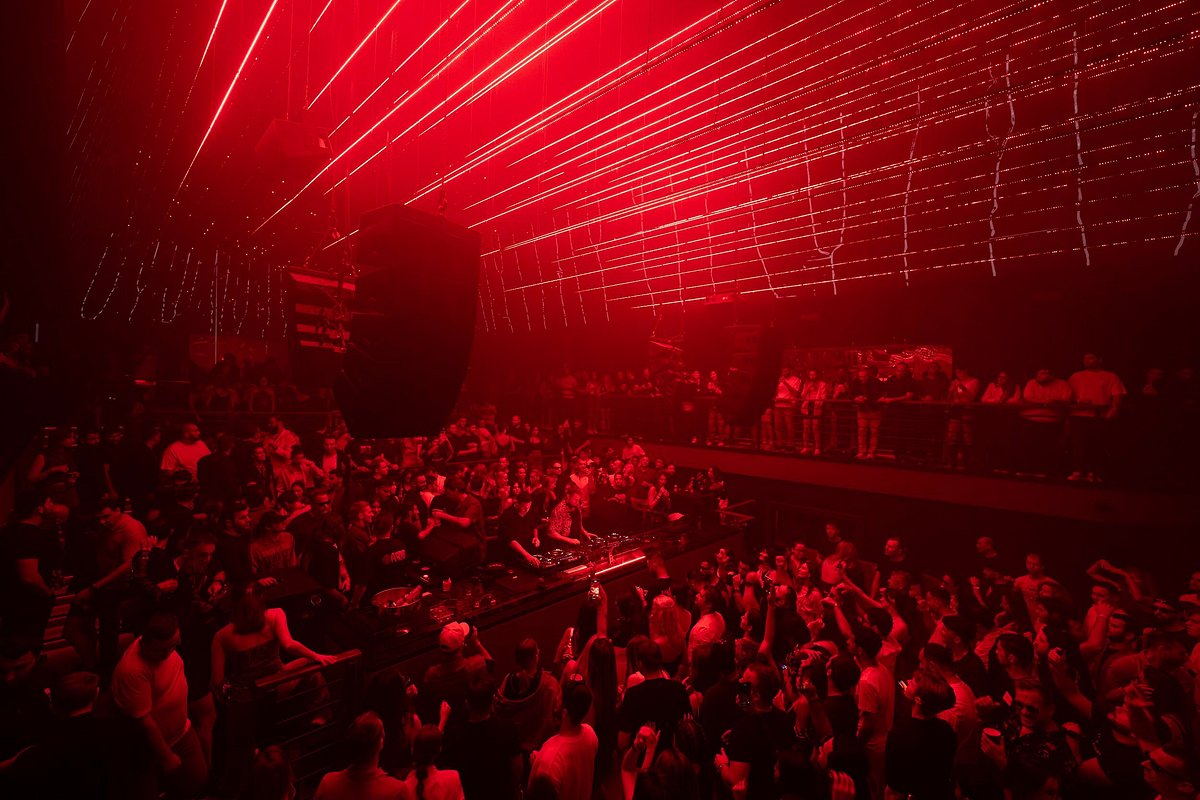
Baku rarely appears in the standard European club map, which is exactly why FOMO is worth paying attention to. The venue and the wider network around it are helping Azerbaijan’s capital move from scattered electronic events toward something closer to a durable local scene.
That development is easy to miss from outside. Scenes do not begin when an international publication notices them. They begin when local promoters find rooms, artists build audiences and people start returning often enough for a cultural rhythm to form.
A permanent venue changes what a scene can do
One-off parties can create excitement, but permanence allows for experimentation. A club can support residents, test new artists, develop a sound system and build trust with an audience over time.
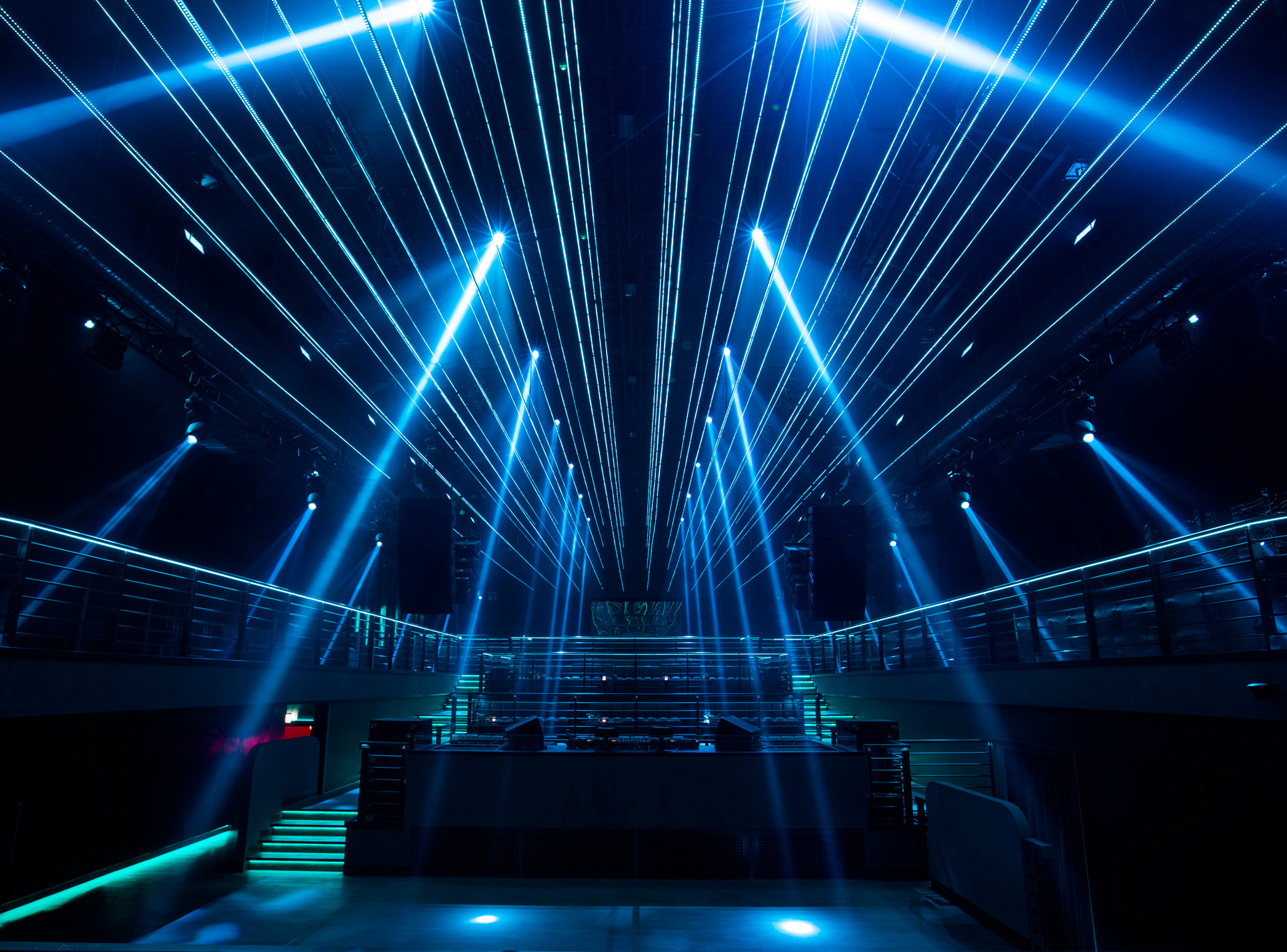
FOMO matters in Baku because it provides that kind of continuity in a city where electronic infrastructure has historically been thinner than in neighbouring regional hubs.
Azerbaijan sits on several musical routes at once
Baku occupies an unusual cultural position between the Caucasus, Central Asia, Turkey, Iran and Eastern Europe. That geography gives the city access to multiple touring circuits without fitting neatly into any of them.
The most interesting future is therefore not for Baku to imitate Berlin or Tbilisi, but to develop a scene shaped by its own local tastes and regional links.
International bookings only help if local artists grow with them
Bringing recognised DJs into a young market can attract attention and raise standards, but the long-term value depends on what happens around those bookings. Residents need meaningful slots, local producers need routes to release music and promoters need enough stability to take curatorial risks.
Otherwise the city becomes another stop on a touring schedule rather than a scene in its own right.
The next stage is cultural export, not just import
A mature scene eventually sends ideas outward. That might mean Baku-based DJs appearing more regularly abroad, local labels reaching international shops or regional collaborations becoming normal rather than exceptional.
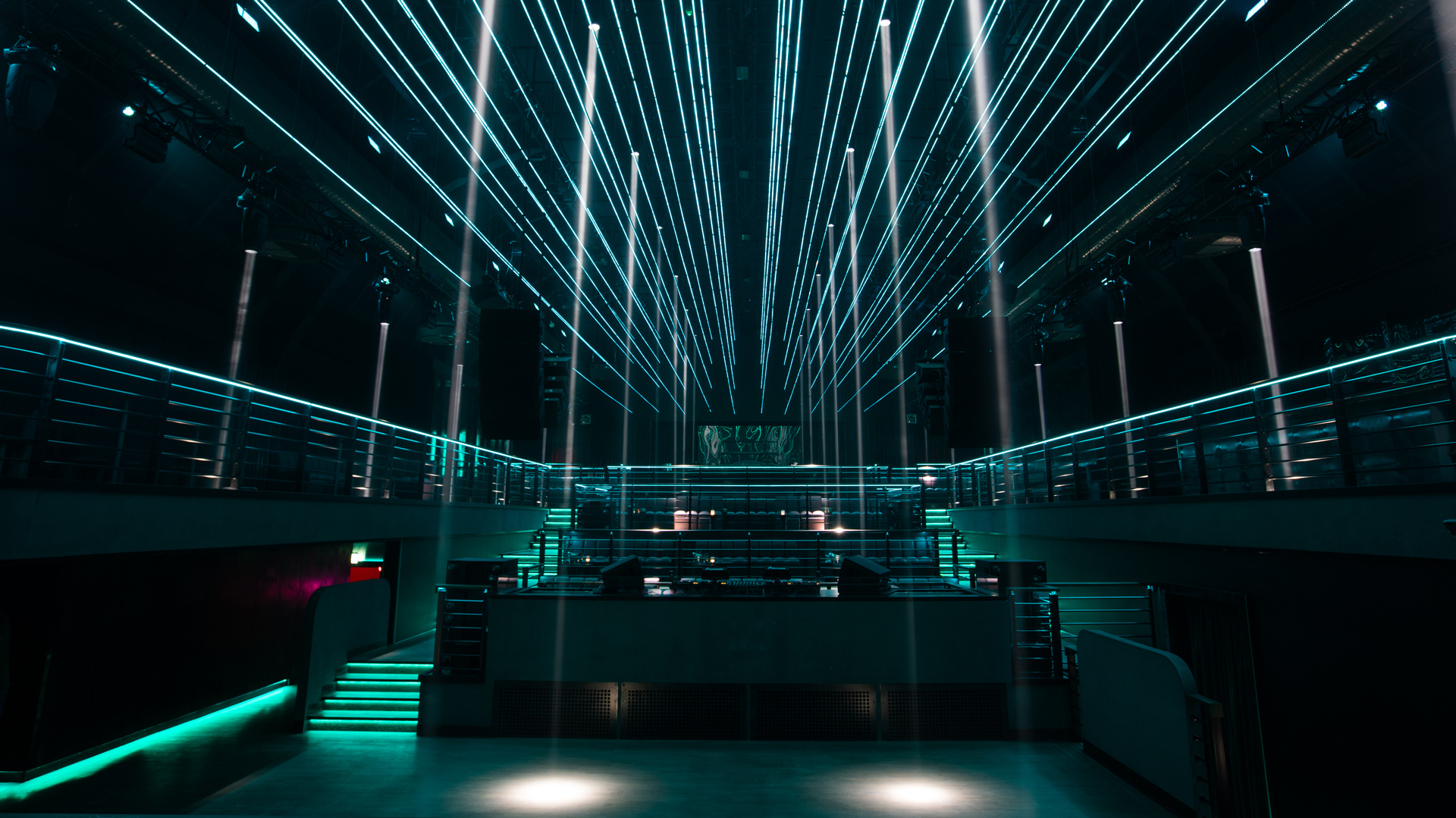
FOMO is part of the infrastructure needed for that shift. The venue itself is not the whole story, but permanent rooms are often where a scene first learns how to sustain itself long enough for the rest of the world to catch up.





THE CONVERSATION
Opinions, context and replies from the AT-DJ community.