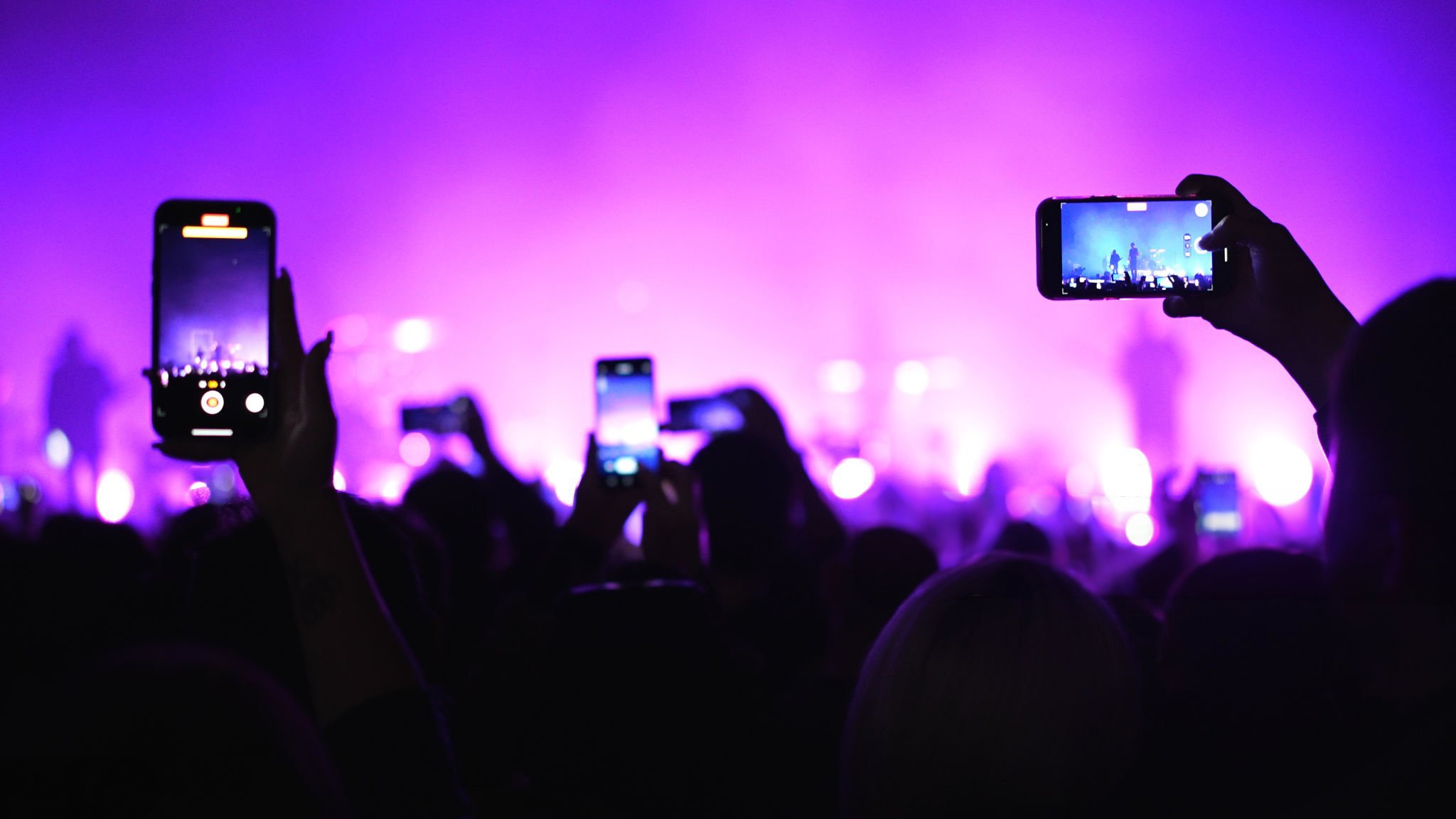
The phone is now part of almost every stage of a night out. Tickets live on it, friends are found through it, transport is booked with it and the next event is promoted through it. Yet once people reach the dancefloor, a growing number of venues want the device to disappear. Camera stickers, no-photo policies and requests to keep screens away are becoming a visible part of club etiquette again.
Recording changes the social contract
Clubs have always involved seeing and being seen, but a smartphone changes the scale of that visibility. A moment that once belonged to the room can be uploaded instantly, detached from its context and stored indefinitely. That affects how people dance, dress and interact long before anybody presses record.
The issue is especially important in queer and underground spaces where privacy can be part of safety. Being comfortable inside a club does not mean consenting to appear on a stranger’s public feed. A camera policy therefore has consequences beyond aesthetics.
The booth sees a different crowd through a wall of screens
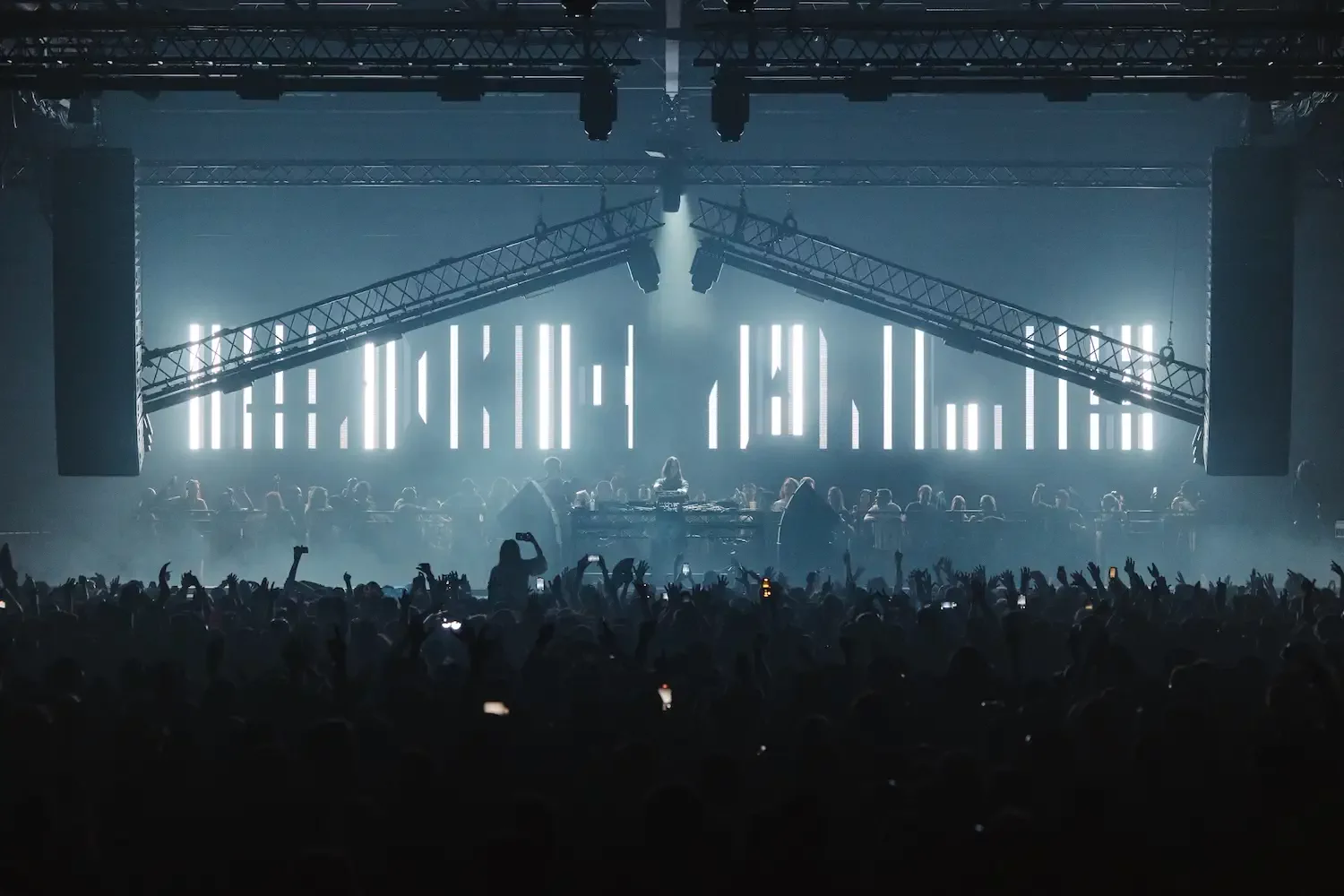
DJs also read the room visually. Bodies moving, people leaving and the density at the front all provide feedback. When a large section of the crowd becomes still for a recognisable drop, phones raised above heads, that feedback changes. Music can start being treated as a sequence of moments to capture rather than a long progression to inhabit.
That pressure does not come only from audiences. Artists and promoters have trained people to value the same clips. Short video is one of the main currencies of club promotion, and a dramatic crowd reaction can sell the next date more efficiently than a carefully written description.
Nightlife created its own contradiction
A venue that asks people not to film while simultaneously posting professional crowd footage has to explain the difference. The strongest policies do so clearly: accredited photographers, designated moments or zones, advance consent and limited capture can provide promotional material without turning every attendee into an unpaid camera operator.
That creates a more coherent boundary. The club still documents itself, but guests know when documentation is happening and who controls it.
A phone ban does not have to mean confiscation
Different rooms need different rules. Some cover camera lenses at entry. Others allow phones away from the dancefloor. Certain events use locked pouches, while many rely mostly on social agreement. The important thing is consistency. A policy nobody understands becomes another source of conflict for door and security staff.
Phones also serve practical safety functions. People need to contact friends, arrange transport and respond to emergencies. Sensible policies distinguish between using a device and continuously filming strangers.
Attention is the real scarce resource
The argument is often framed as older clubbers complaining about younger ones, which misses the more interesting point. Dancefloors depend on shared attention. Nobody has to stare at the DJ, and some of the best rooms deliberately minimise the booth. But a crowd needs enough collective presence to respond to itself.
That is what camera restrictions are really trying to protect. Clubs such as fabric built their reputations on what happens inside the room rather than on constant documentation of it. The challenge now is preserving that intensity in a culture where the phone is simultaneously ticket, map, camera and marketing channel.
There is no universal rule that will fit every venue. But the return of phone-free policies suggests a broader correction: nightlife is beginning to ask whether every memorable moment needs to become content. Sometimes the most valuable thing a club can offer is the confidence that what happens on the floor will remain there.





THE CONVERSATION
Opinions, context and replies from the AT-DJ community.