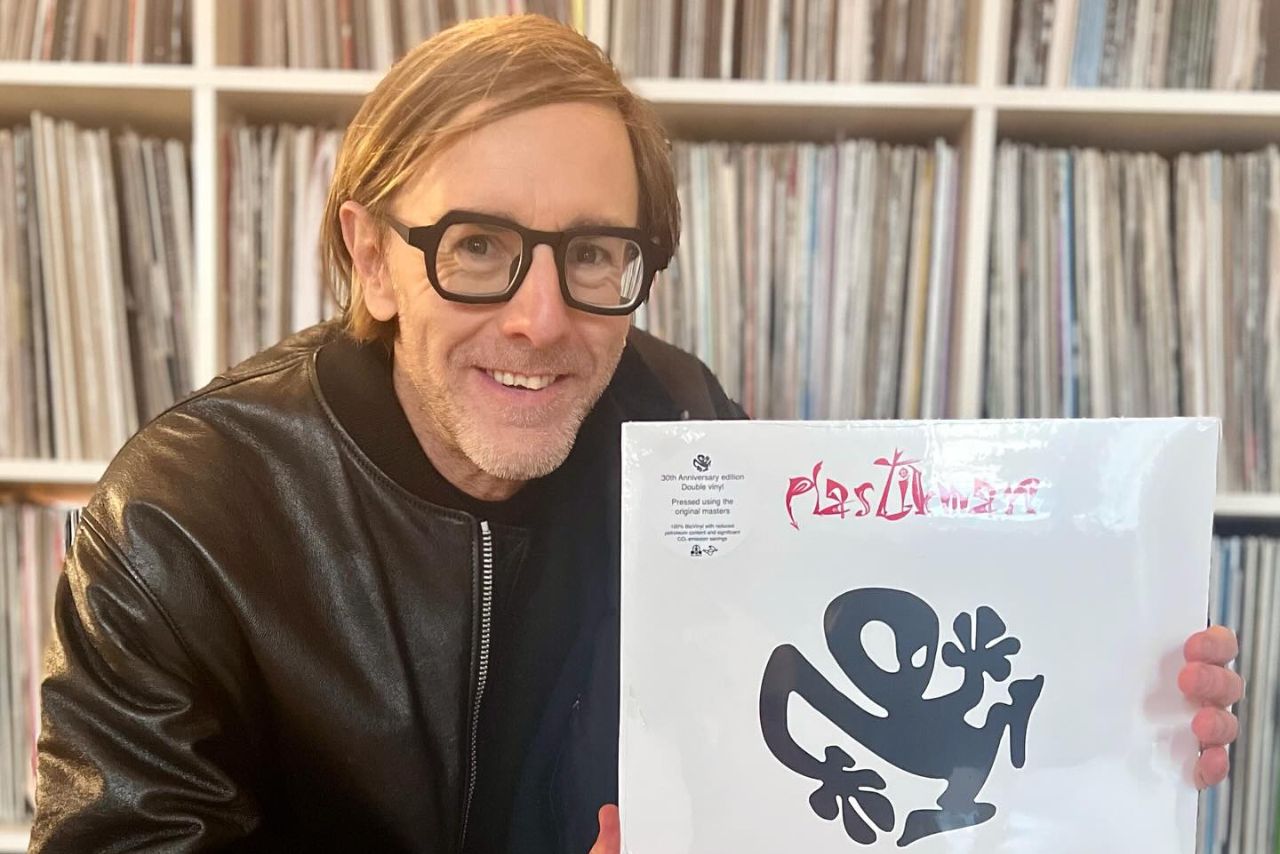
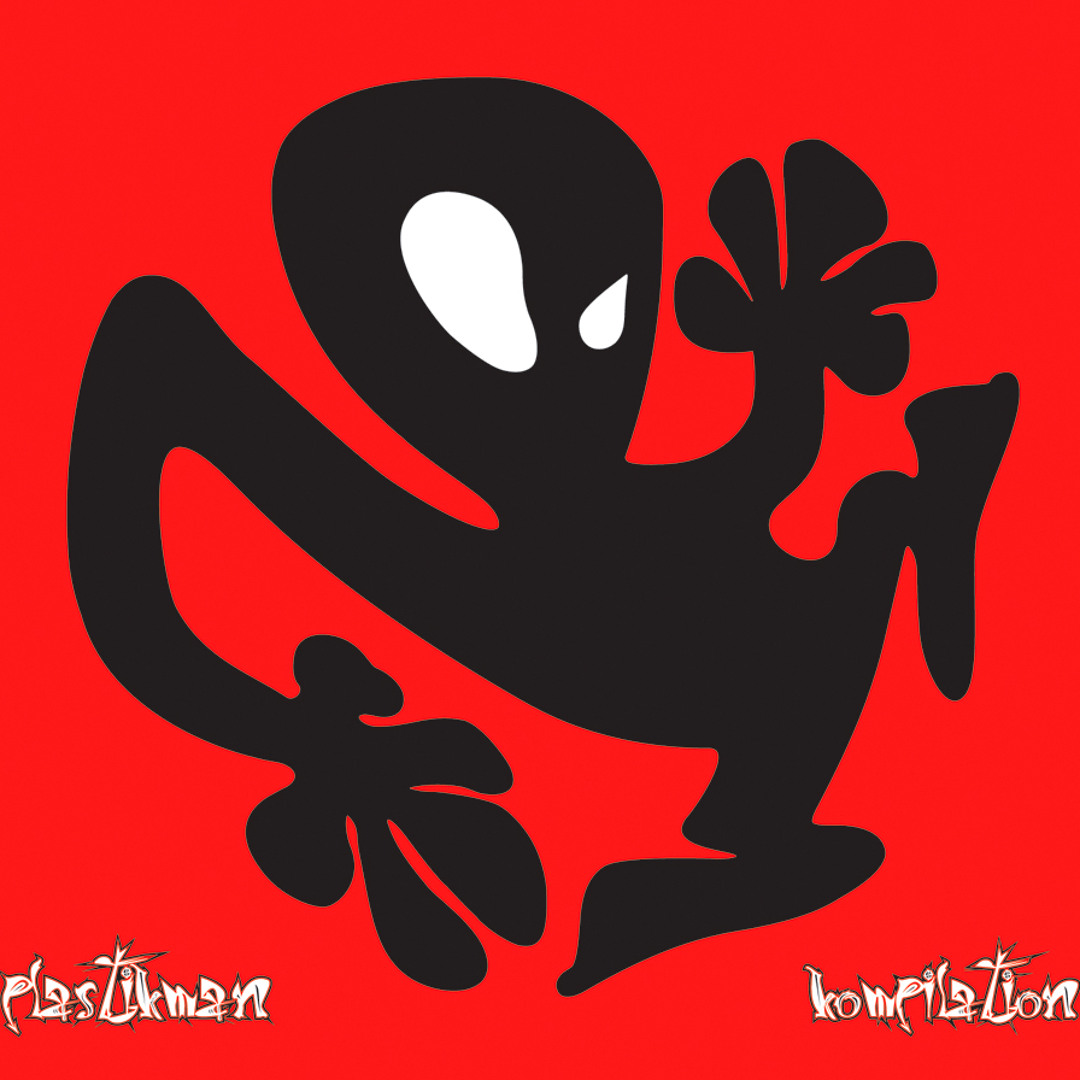
There is a particular kind of confidence in making techno with almost nothing. Plastikman’s ‘Sheet One’, originally released in 1993, remains one of the clearest demonstrations of that idea. Richie Hawtin strips the music down to machines, repetition and space, then uses tiny changes in resonance, timing and pressure to make the whole system feel alive.
Minimal before minimal became a market category
The record arrived before ‘minimal techno’ settled into the genre shorthand it would later become. Its austerity therefore feels less like adherence to a style and more like an experiment in subtraction. Drum patterns are allowed to run for long stretches. Acid lines do not necessarily chase a peak. Silence and decay are treated as compositional material rather than empty space waiting to be filled.
That is what makes ‘Sheet One’ useful beyond nostalgia. Plenty of early-1990s production sounds inseparable from the equipment and mix aesthetics of its time. Hawtin’s record certainly has those fingerprints, but its underlying architecture remains contemporary: establish a strong loop, make the listener understand it, then alter one element slowly enough that the change becomes physical.
The 303 behaves differently here
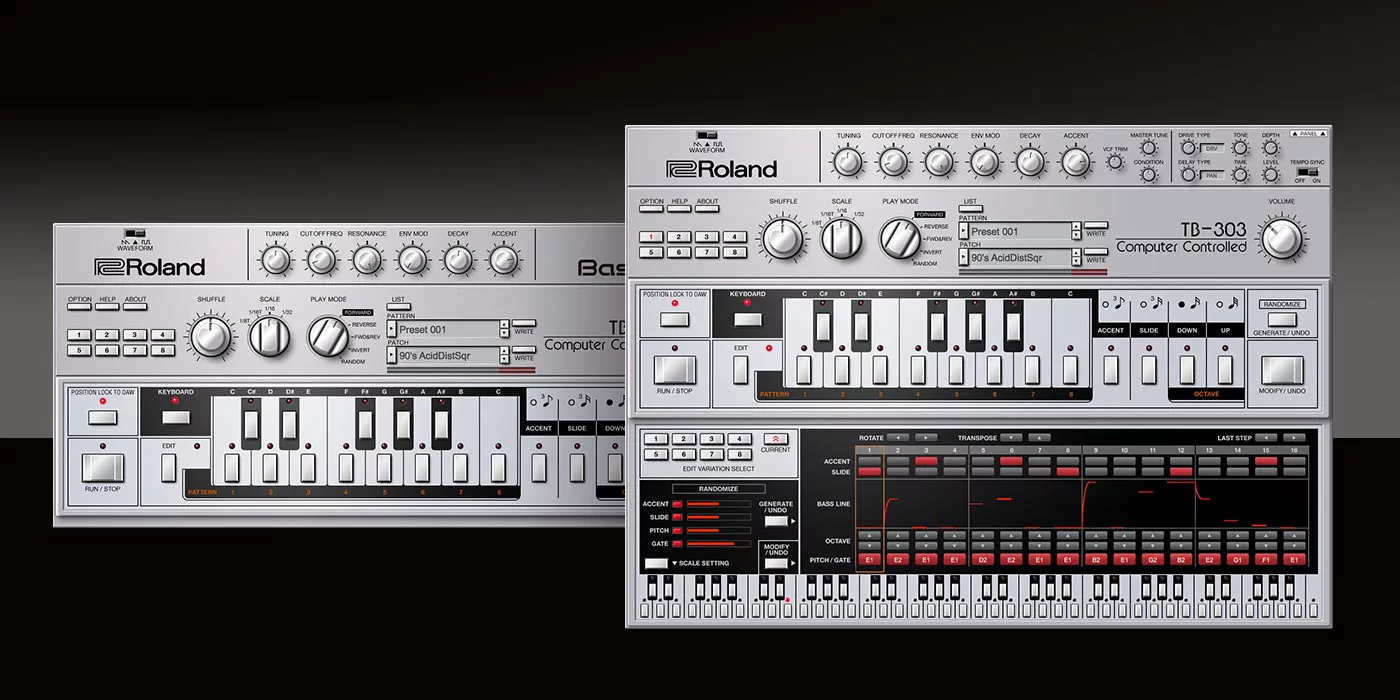
Acid house had already turned the Roland TB-303 into an icon, but Plastikman approached the machine with a colder patience. The lines on ‘Sheet One’ can be corrosive, yet they are rarely used simply as fireworks. Filter movement becomes a long-form narrative device. A pattern can sit in one register for minutes before a small resonance shift changes the entire emotional temperature.
That discipline reaches beyond the bassline. Percussion is dry and exposed, which means every accent matters. When an additional sound enters, it has disproportionate impact because there is so little competition around it. The technique rewards close listening in headphones but makes even more sense on a large system, where the physical differences between frequencies become part of the composition.
‘Spastik’ turned rhythm into the headline
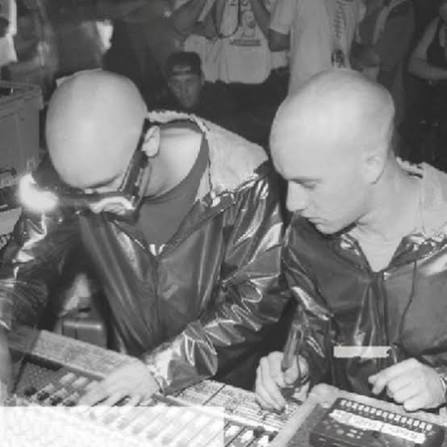
Although not part of the original ‘Sheet One’ tracklist, ‘Spastik’ became one of the defining Plastikman statements from the same early period and illustrates the project’s central idea perfectly. A rolling percussion pattern is enough to generate tension normally assigned to basslines, hooks or vocals. DJs have kept returning to it because its openness allows other records to coexist around it.
That functional quality runs through Hawtin’s early work. The tracks can be cerebral without becoming academic. They understand the mechanics of a dancefloor: repetition produces expectation, and expectation makes even a small disruption feel large. What seems minimal on a waveform can feel enormous in a room.
The anniversary edition confirms the record’s durability
The 30th-anniversary edition, remastered from the original tapes and reissued via Mute and NovaMute, underlined how little the material needed to be reframed. Richie Hawtin has spent decades exploring new performance systems and production technology, yet ‘Sheet One’ remains persuasive precisely because it comes from severe limitation.
In a studio environment where producers can open thousands of sounds before writing a bar, that limitation feels almost radical. The album’s lasting lesson is not that everyone should make sparse acid techno. It is that identity often appears when options are deliberately removed. ‘Sheet One’ still sounds focused because it never confuses abundance with possibility.




THE CONVERSATION
Opinions, context and replies from the AT-DJ community.