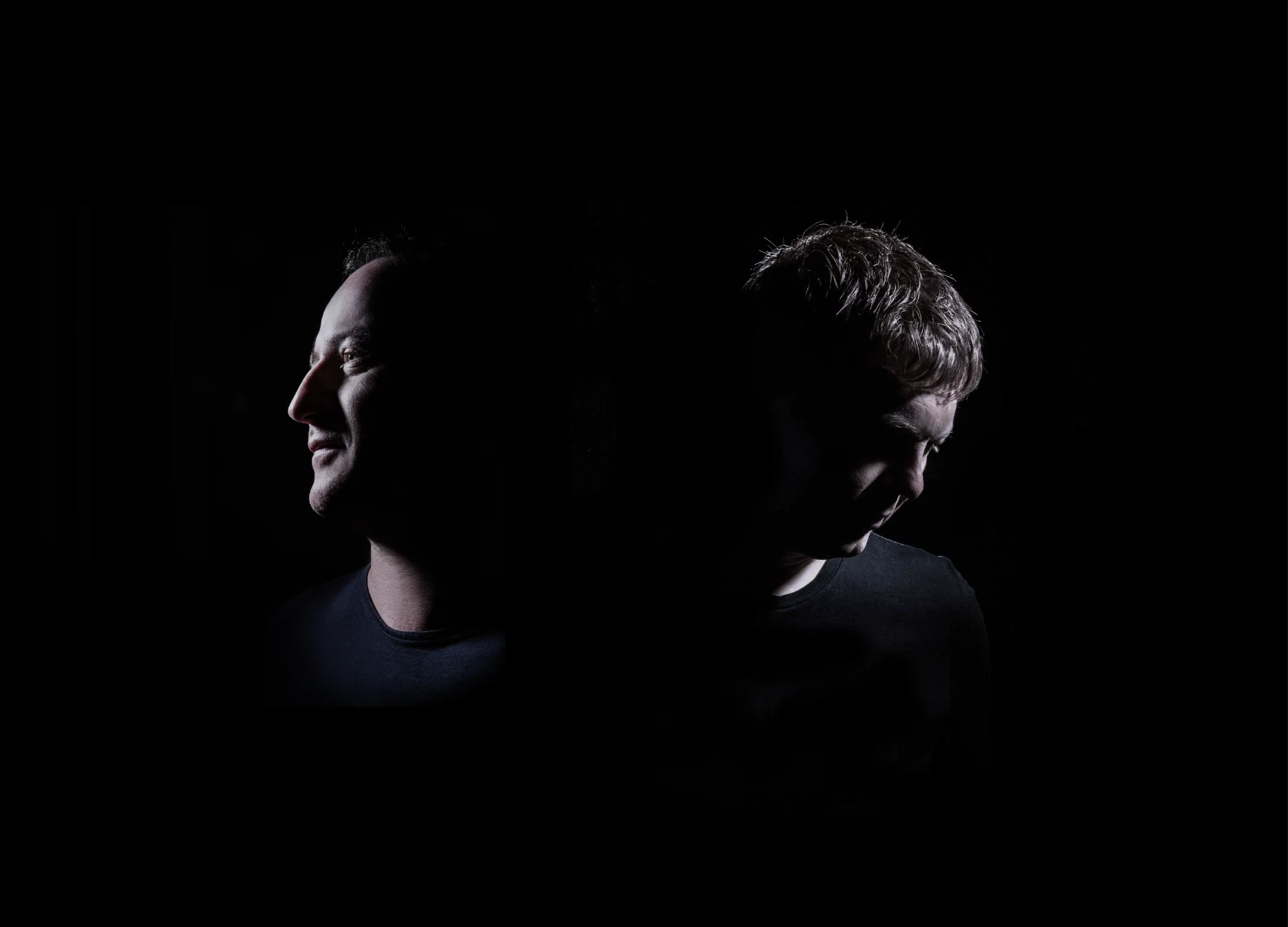
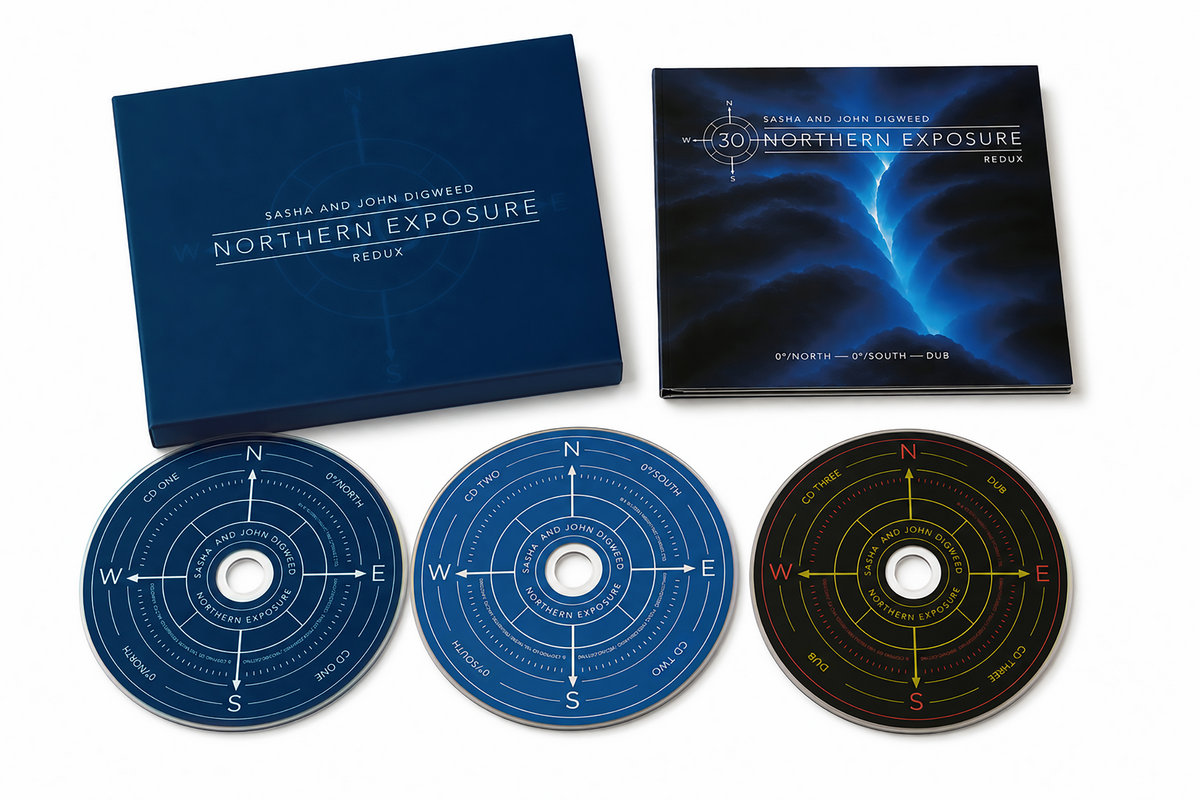
Northern Exposure Redux arrives on 25 September 2026 with a difficult job: restoring a landmark mix without freezing it as an artefact. Sasha and John Digweed have remastered the original two parts, expanded the physical edition and created a third disc of ambient and dub reconstructions. The project will also reach streaming platforms for the first time. Its return matters not only because original copies became scarce, but because it revives a particular way of telling a club story: patiently, atmospherically and without rushing towards the obvious peak.
A mix that listened beyond the dancefloor
Released in 1996, Northern Exposure followed Renaissance: The Mix Collection, the project that had turned Sasha and Digweed into central figures in the art of the commercial mix CD. The easy move would have been to repeat the formula with another polished sequence of progressive house. Instead, they broadened the frame. The album sought to capture what happens before, around and after the dancefloor as much as the peak itself. Ambient, trance, breakbeat, dub and progressive house move through the two discs without losing narrative continuity.
Florida was a crucial influence. During visits to the United States, both DJs encountered a breakbeat scene working with a different kind of rhythmic weight and atmosphere. Records from Young American Primitive, Rabbit in the Moon, Hallucination and Hardkiss widened their vocabulary. The result was not an imitation of Orlando’s sound, but a new way of thinking about progression. Breaks create room to breathe, and the sense of forward movement does not depend on a straight four-to-the-floor pulse.
North and South return in full
The new edition restores the North and South journeys in remastered form. The original vinyl edition had reduced the repertoire compared with the mixed CDs; the 2026 release brings the full breadth back into the physical package. The tracklist includes The Future Sound of London, Young American Primitive, God Within, Rabbit in the Moon, William Orbit, Banco de Gaia, Underworld and Humate. Together they show how wide progressive music once felt before the term narrowed into a more predictable set of production markers.
Its first appearance on streaming platforms changes the way the mix can circulate. For years it lived through second-hand copies, shared files and partial editions. That underground afterlife helped preserve its reputation, but it also placed barriers in front of younger listeners. The streaming release tests whether a work built around continuity can hold its shape inside an environment of skipping, playlists and algorithmic recommendations. It can, but only if it is allowed to run.
The third disc does not try to modernise the original
The most delicate addition is the new third disc. Sasha and Digweed have used current tools to deconstruct and rebuild parts of the source material, but the reference point is not a festival remix or an increase in tempo. Instead, the reconstructions lean towards ambient and the spatial traditions of dub associated with figures such as Bill Laswell and Mad Professor. Rhythmic weight is reduced, melodies are suspended and the ear is drawn towards texture and depth.
That choice avoids competing with the 1996 mixes. Rather than pretending the original requires a contemporary finish, the new material opens a side room inside the same architecture. It also reconnects with the quality that always held Northern Exposure together: atmosphere. Even at its most forceful, the mix works through accumulated depth rather than isolated drops. The new versions make room for details that once sat behind the rhythm.
The lasting lesson is still patience
Thirty years later, Northern Exposure remains important for more than its tracklist. It proposes an ethic of mixing: listen before imposing, build context and allow a transition to alter the meaning of two records. That practice has not disappeared from clubs, but it now competes with a culture built around immediate recognition and clipped moments. Redux does not need to argue against that culture. Its strongest move is simply to make the original journey accessible again and let it unfold at its own pace.


THE CONVERSATION
Opinions, context and replies from the AT-DJ community.