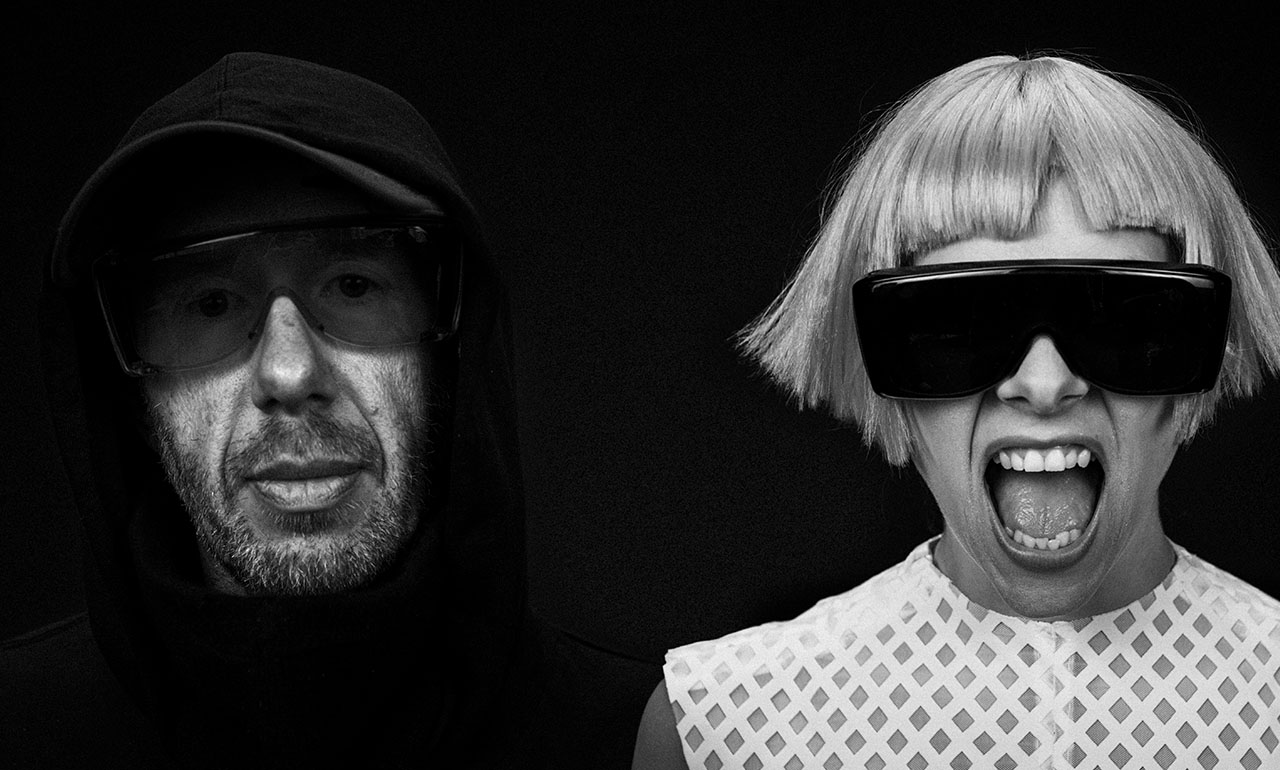
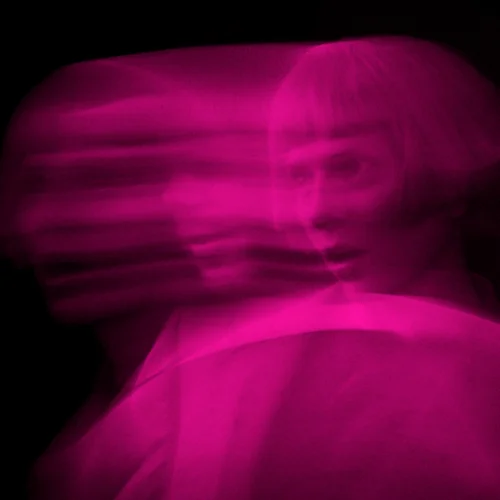
TOMORA is what happens when a collaboration that could easily have remained a guest-vocal exchange is allowed to become its own project. The duo brings together AURORA and Tom Rowlands of The Chemical Brothers, with their debut album Come Closer now moving from record into a substantial 2026 live schedule.
The pairing makes more sense than it might appear from a distance. AURORA’s voice and writing often sit in a space between intimacy, folklore and highly processed pop, while Rowlands has spent decades making electronic music feel physical without stripping it of oddness. TOMORA gives both of them a space outside their main projects, which is often where collaborations become most useful.
TOMORA began as a studio relationship, not a branding exercise
The album was written and produced jointly by AURORA and Rowlands. Official material around Come Closer describes the record as a shared world rather than a producer-and-singer arrangement, and that distinction is important. Electronic collaborations often preserve a clear hierarchy: one artist builds the machinery, another supplies the vocal centre. TOMORA is structured more like a band with two different instincts.
That helps explain why the record can move between mechanised rhythm, soft vocal detail and more psychedelic passages without sounding like a playlist of feature tracks. The project benefits from Rowlands’ obsession with arrangement and sound pressure, but AURORA’s presence changes the emotional logic. Her vocals are not simply placed on top of club structures; they often determine where those structures bend.

Come Closer works because neither artist disappears
The 12-track album includes “Please”, “Come Closer”, “A Boy Like You”, “Ring The Alarm”, “My Baby”, “Have You Seen Me Dance”, “Somewhere Else”, “I Drink The Light”, “Wavelengths”, “Side By Side”, “The Thing” and “In A Minute”. The sequence is broad enough to show why a full project was necessary. There is room for direct electronic propulsion, stranger interludes and material that leans more heavily towards song.
“Ring The Alarm” is the obvious entry point because it foregrounds the collision between the two artists. The official album notes describe it in terms of mechanical contact, chaos and release, which is close to how Rowlands has often used machines: not as clean futuristic objects, but as things that squeal, distort and behave badly. AURORA’s voice gives that energy a human counterweight without softening it.
The Chemical Brothers connection is present, but TOMORA is not a side project clone
Rowlands’ production fingerprints are inevitably audible. Decades spent inside The Chemical Brothers have created a very specific sense of scale: drums that feel architectural, synths that move like physical objects and arrangements that understand exactly when repetition becomes tension. But TOMORA would be less interesting if it simply placed AURORA inside that established framework.
Instead, the project allows more air into the machinery. AURORA’s melodic instincts and interest in voice as texture pull the music towards a different kind of psychedelia. There are still moments designed to hit hard, but the album is comfortable being vulnerable, peculiar or suspended in a way that separates it from a conventional big-beat lineage.
The project’s official website currently lists a run of live dates from August into November 2026, showing that TOMORA is being developed as an active touring act rather than a one-album studio collaboration.
The live run is where the project has to become a band
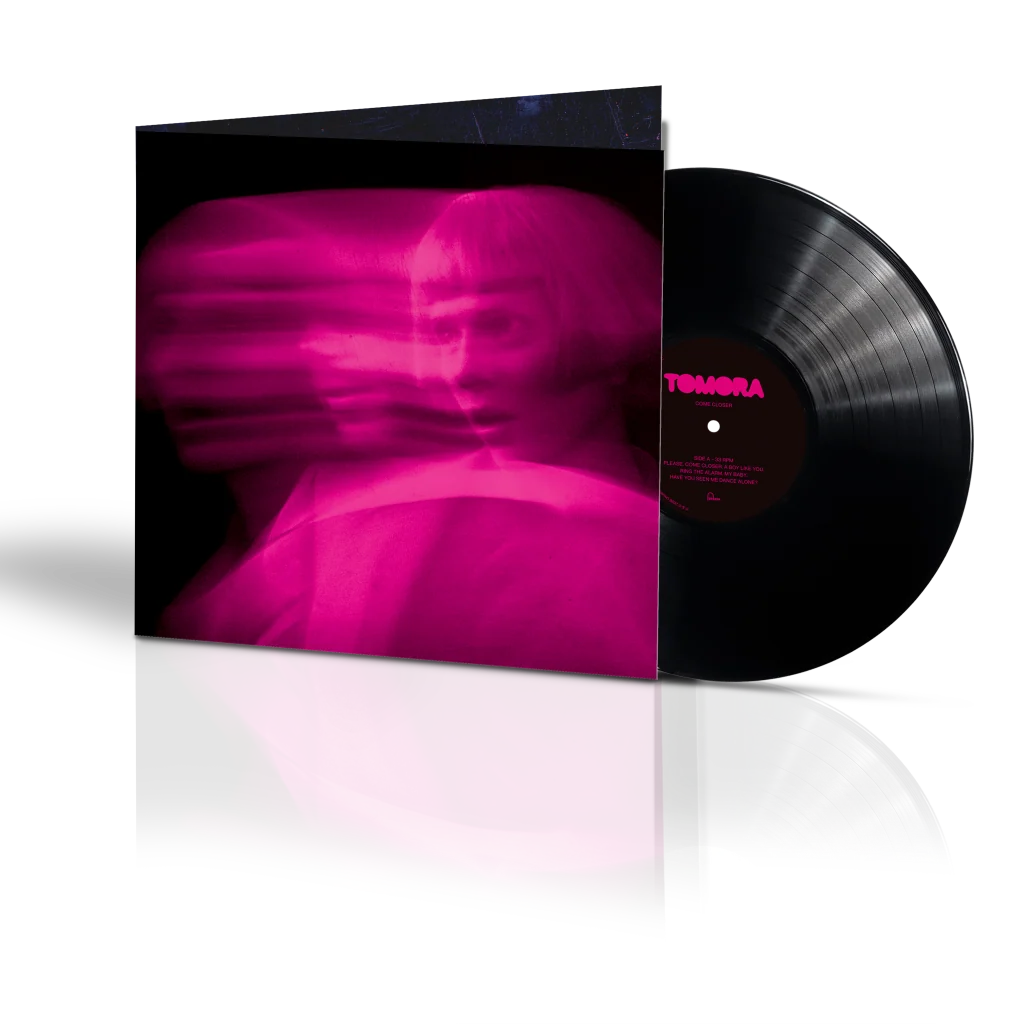
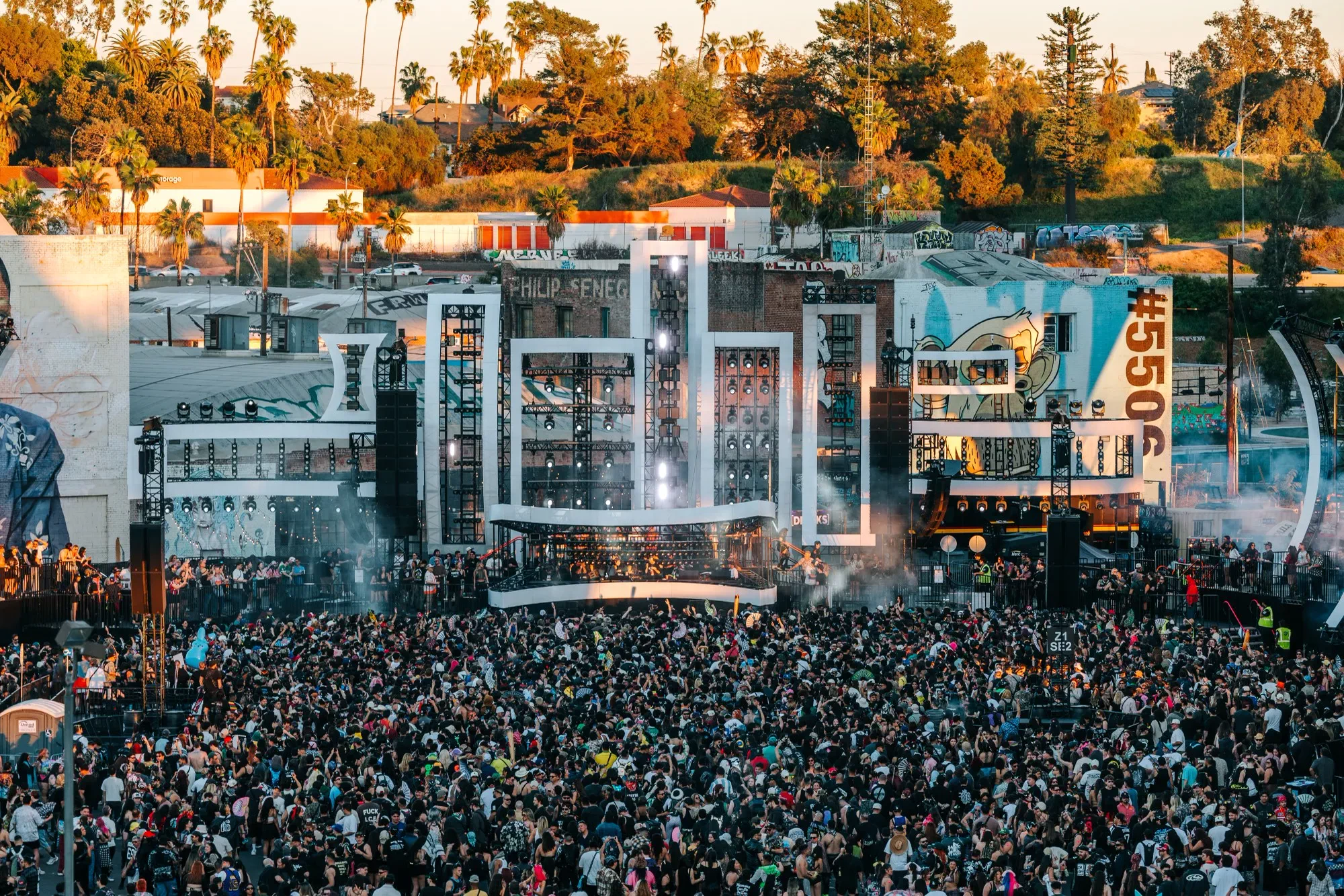
TOMORA’s schedule is becoming increasingly important to how the project will be understood. The duo is due at Sziget in Budapest on 12 August, Øya Festival in Oslo on 14 August and Babylon Soundgarden in Istanbul on 22 August, before autumn dates in Tokyo, Dublin, Glasgow, London, Lille, The Hague and Berlin.
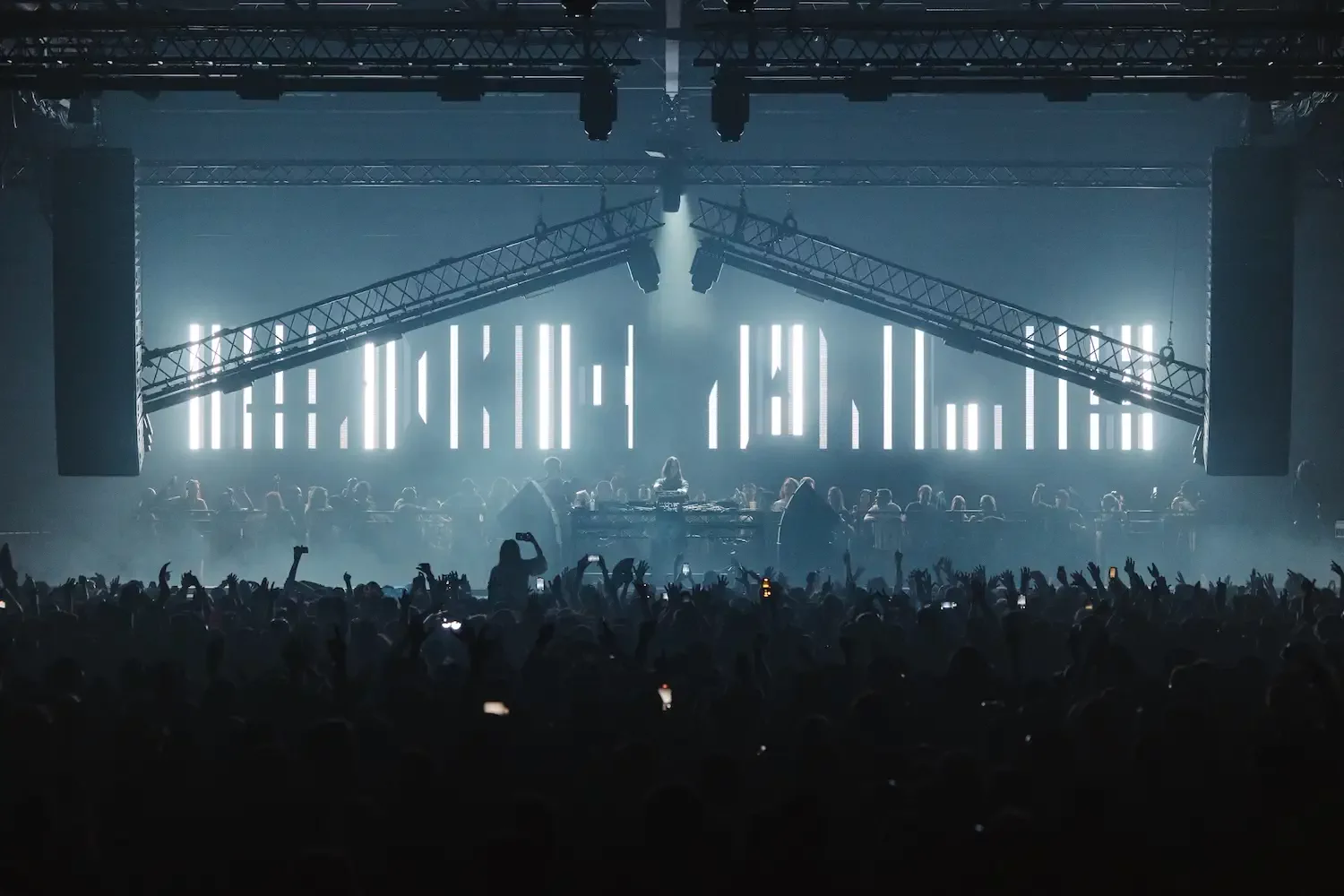
Those rooms and festivals vary considerably in scale and culture. That should force the live show to do more than reproduce the album. Electronic projects often reveal their real identity on stage because arrangements have to be rebuilt around physical performance, transitions and audience energy. A studio track can survive through detail; a live version needs movement.
What makes TOMORA more than a meeting of two big names
The easy story is that a member of The Chemical Brothers has formed a project with one of alternative pop’s most recognisable voices. The more interesting story is about creative permission. Both artists already have established audiences and highly legible identities. TOMORA gives them a reason to make decisions that would look unusual under their primary names.
That freedom is valuable in electronic music, where successful artists can become trapped by their own catalogue. Audiences know what they want, promoters know what sells and platforms reinforce recognisable patterns. A separate project can create enough distance for experimentation without demanding that either artist erase the work that made them known.
A collaboration built for continuation rather than novelty
There is no guarantee that every supergroup or cross-scene collaboration needs to become a long-term concern. Many work best as one record. TOMORA already looks different because the album has been followed by a real touring structure and a clear visual identity, suggesting that AURORA and Rowlands see the project as a space worth returning to.
That does not mean it needs to become permanent. Part of the appeal may be precisely that both artists can step into TOMORA, make music without carrying their full individual histories into every decision, and then leave again. For now, Come Closer has done the hardest part: it sounds like a reason for the project to exist, not merely proof that two famous names were in the same studio.

THE CONVERSATION
Opinions, context and replies from the AT-DJ community.