

Joan Irias
EN EDITIONS · Technology
- STORIES
- 19
- BEATS
- 01
ALL STORIES
The complete published archive, newest first.
 Technology
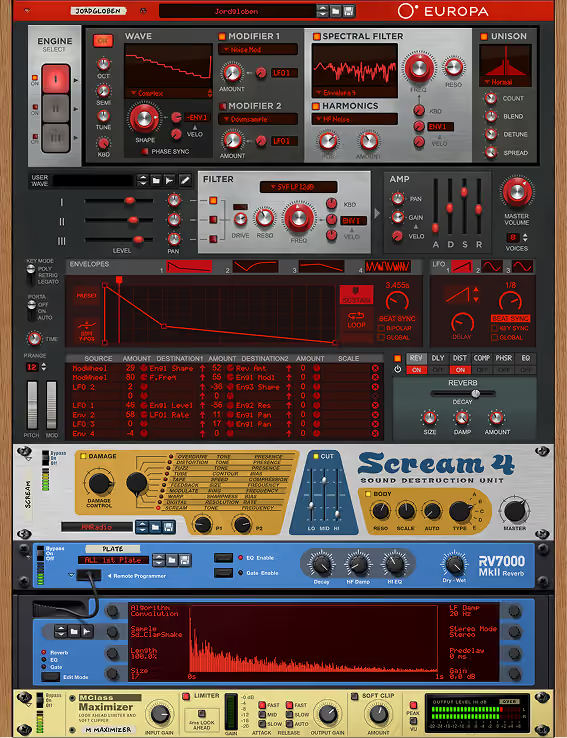
Reason Free puts 15 Rack devices inside almost any DAW
Reason Free is an easy recommendation for producers who have ever been curious about the Rack but did not want to buy into the full Reason ecosystem. Fifteen devices is enough to build proper synth, drum and effects chains, and the back-panel routing still gives the software its own character inside another DAW. Europa, Kong, Scream 4, The Echo and RV7000 MkII alone make the download worthwhile. The greyed-out Reason+ catalogue is an obvious upsell route, but the free tier does not feel like a crippled demo. It is permanent, works in major hosts and can even run as a 16-track DAW.
READ STORY ↗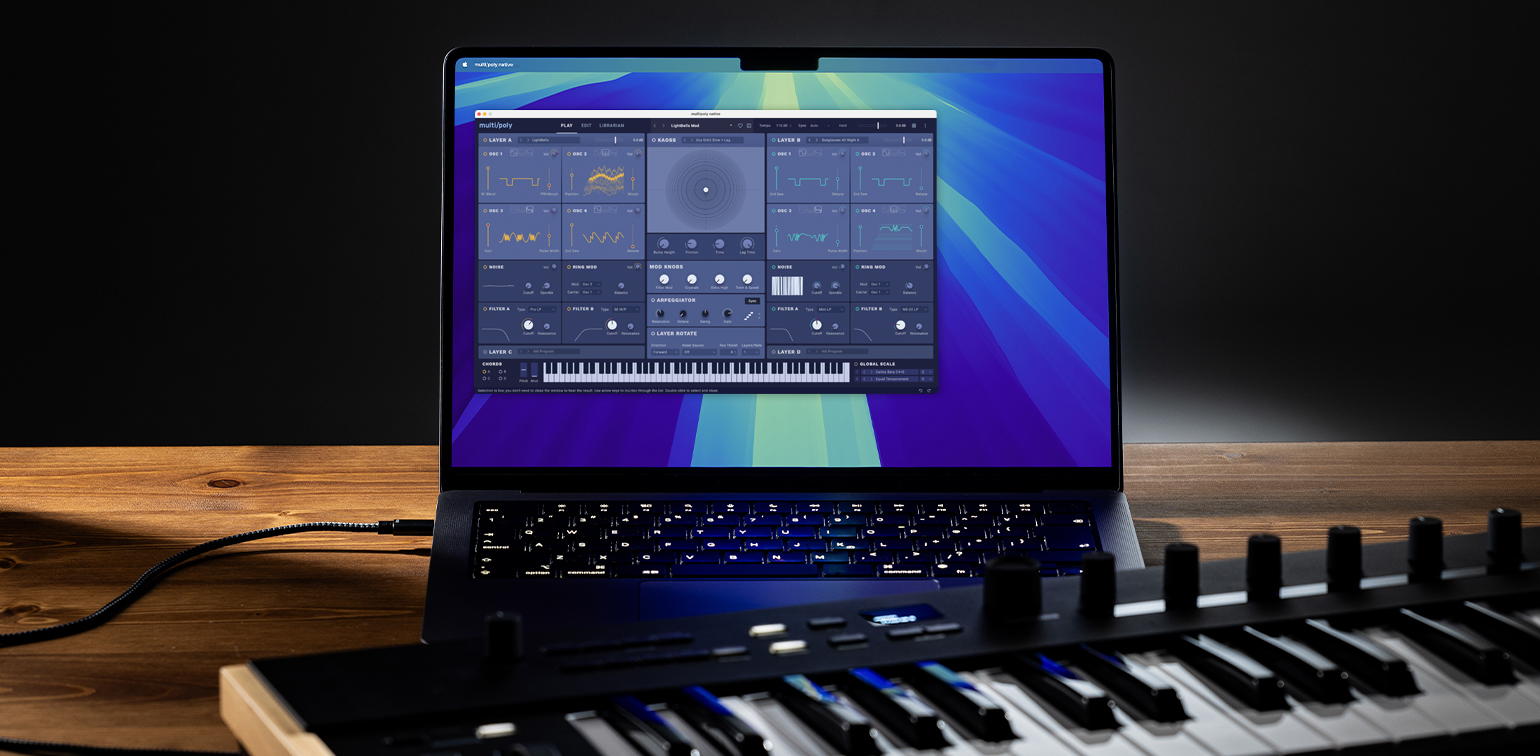 Technology
KORG multi/poly native: four-layer synthesis without hardware
multi/poly native is a large synthesiser in the literal architectural sense: four Programs can sit inside one Performance, each with four oscillators, dual filters, modulation and effects. That amount of layering could become unwieldy, but Motion Sequencing 2.0, Layer Rotate and Kaoss Physics give the complexity musical ways to move. The software version is especially attractive because it does not isolate hardware owners; patches can travel between the plugin and the physical multi/poly. Even without the keyboard, the combination of analogue-style modelling, digital oscillator modes, waveshaping and deep modulation makes this one of KORG’s more ambitious native instruments for producers who prefer evolving sounds over one-screen simplicity.
READ STORY ↗ Technology
Teenage Engineering OP–XY: sequencing without a safety net
OP–XY is a sequencer-first instrument disguised as a piece of minimalist portable hardware. Eight instrument tracks, eight auxiliary tracks, 14 step components, multiple synth engines, three samplers and 24 punch-in effects give it enough internal movement to build arrangements that feel far larger than the chassis. Its strength is the way sequencing, sound design and performance stay intertwined rather than becoming separate stages. The problem is equally clear: US$2,299 puts every compromise under a microscope. Producers attracted to pattern logic, probability and compact performance tools may find a uniquely coherent machine; anyone primarily comparing raw specifications per dollar will have a harder time making the case.
READ STORY ↗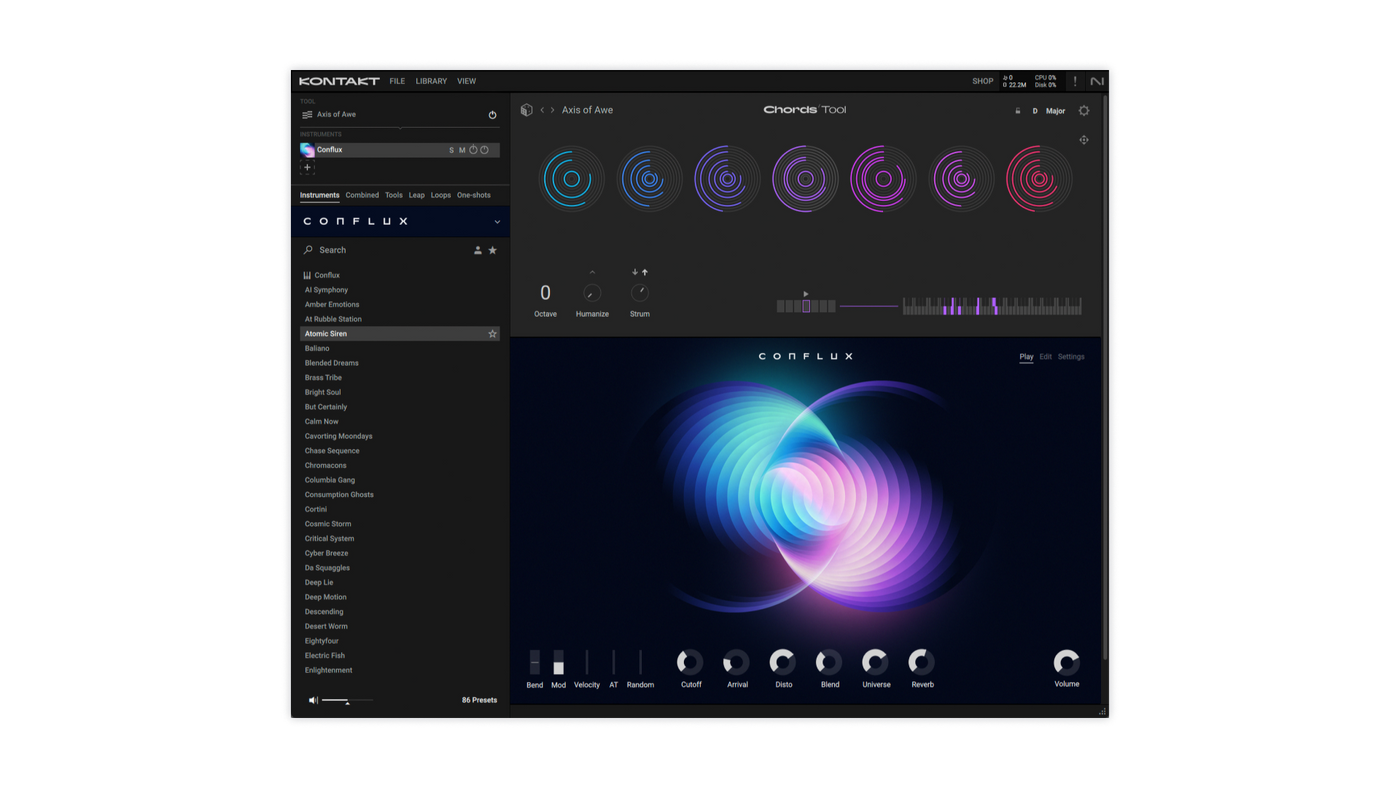 Technology
Kontakt 8: sampling becomes a wider creative platform
Kontakt 8 remains a heavyweight because it serves two very different users at once. It is still the infrastructure behind an enormous instrument ecosystem, but Leap, Conflux and the growing Tools framework give producers more reasons to open Kontakt before they already know which library they want. For electronic music, that shift matters: loops can be manipulated quickly, chords and scales can be constrained, and hybrid synthesis can sit beside detailed sampled instruments in the same environment. The platform is large, storage-heavy and more complex than a dedicated one-purpose sampler, yet version 8 makes that scale feel more creatively useful rather than simply bigger.
READ STORY ↗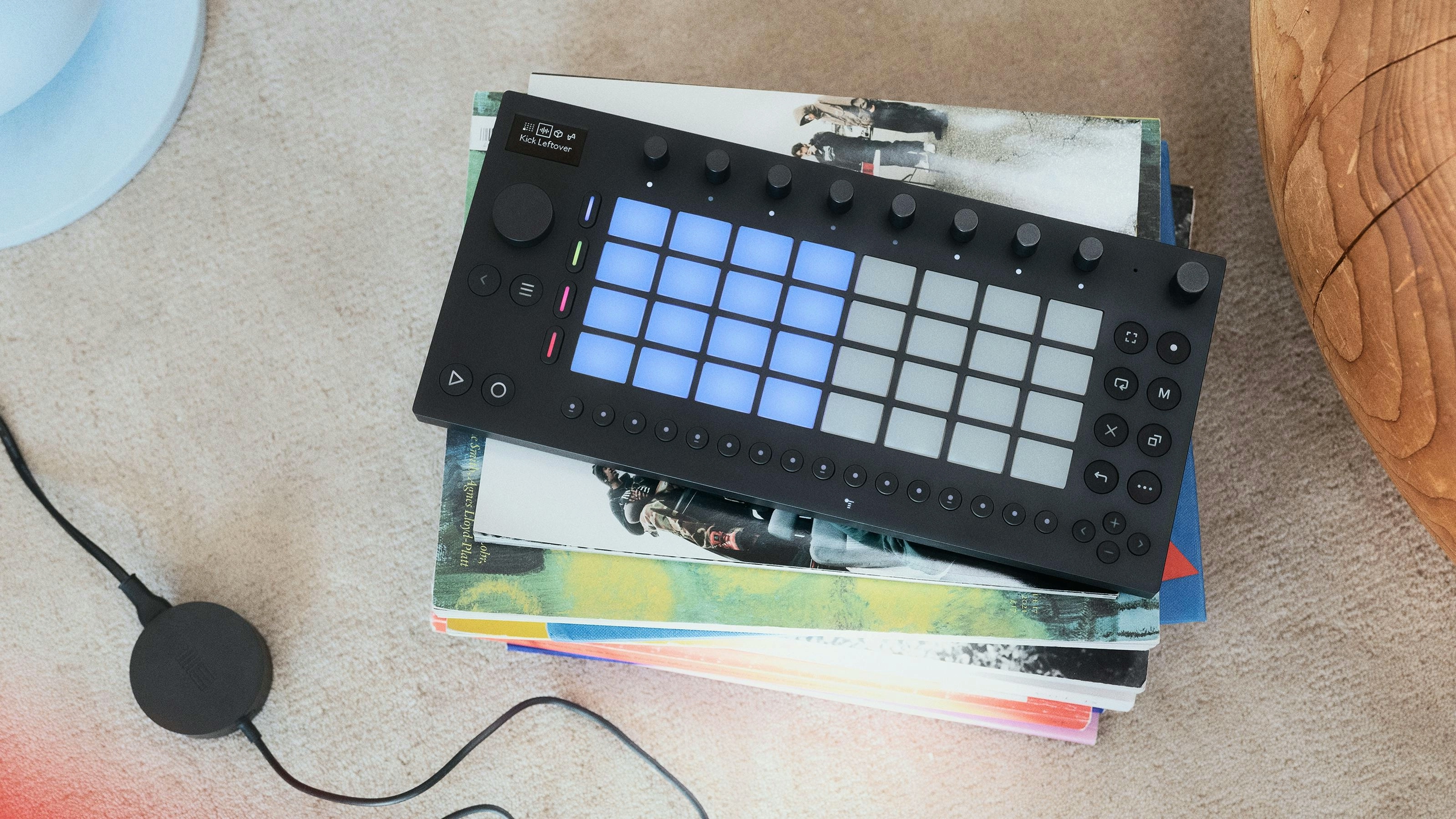 Technology
Ableton Move: four tracks that make limitations useful
Ableton Move succeeds by refusing to become a miniature laptop. Four flexible tracks sound restrictive on paper, yet the combination of Drum Sampler, Melodic Sampler, Drift, Wavetable, 32 polyphonic-aftertouch pads and quick capture tools gives those tracks considerable range. The hardware makes most sense as a sketchbook that can travel from sofa or train to a full Live session without forcing the same workflow at every stage. Move 2.0 broadens the machine further with audio-track functionality, but the identity remains focused. Producers who want deep standalone arranging may hit the ceiling; those who value immediacy and a clean hand-off to Ableton Live are likely to understand the point very quickly.
READ STORY ↗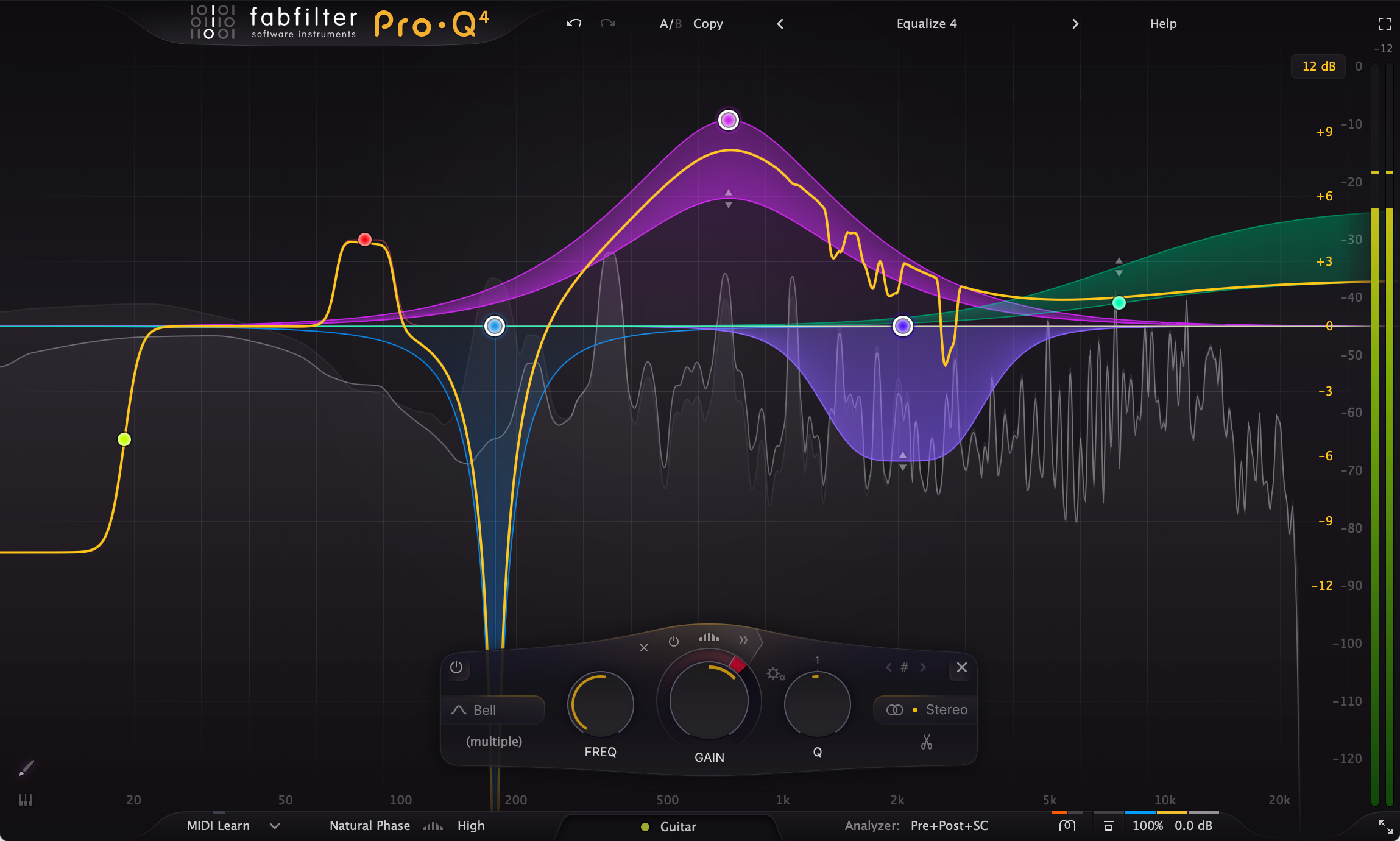 Technology
FabFilter Pro-Q 4: the EQ grows into a mixing system
Pro-Q 4 is less about reinventing equalisation than removing the small delays that pile up across a mix. The familiar spectrum display and direct band editing remain central, but spectral dynamics, Character modes, EQ Sketch and the Instance List turn it into something broader than a single-channel EQ. The attraction for electronic production is obvious: resonant synths, busy percussion, vocals and stacked low end can be managed from one consistent interface. It remains a premium purchase for an EQ, yet the combination of speed, precision and session-wide control gives the fourth version a clear reason to exist beyond incremental polish.
READ STORY ↗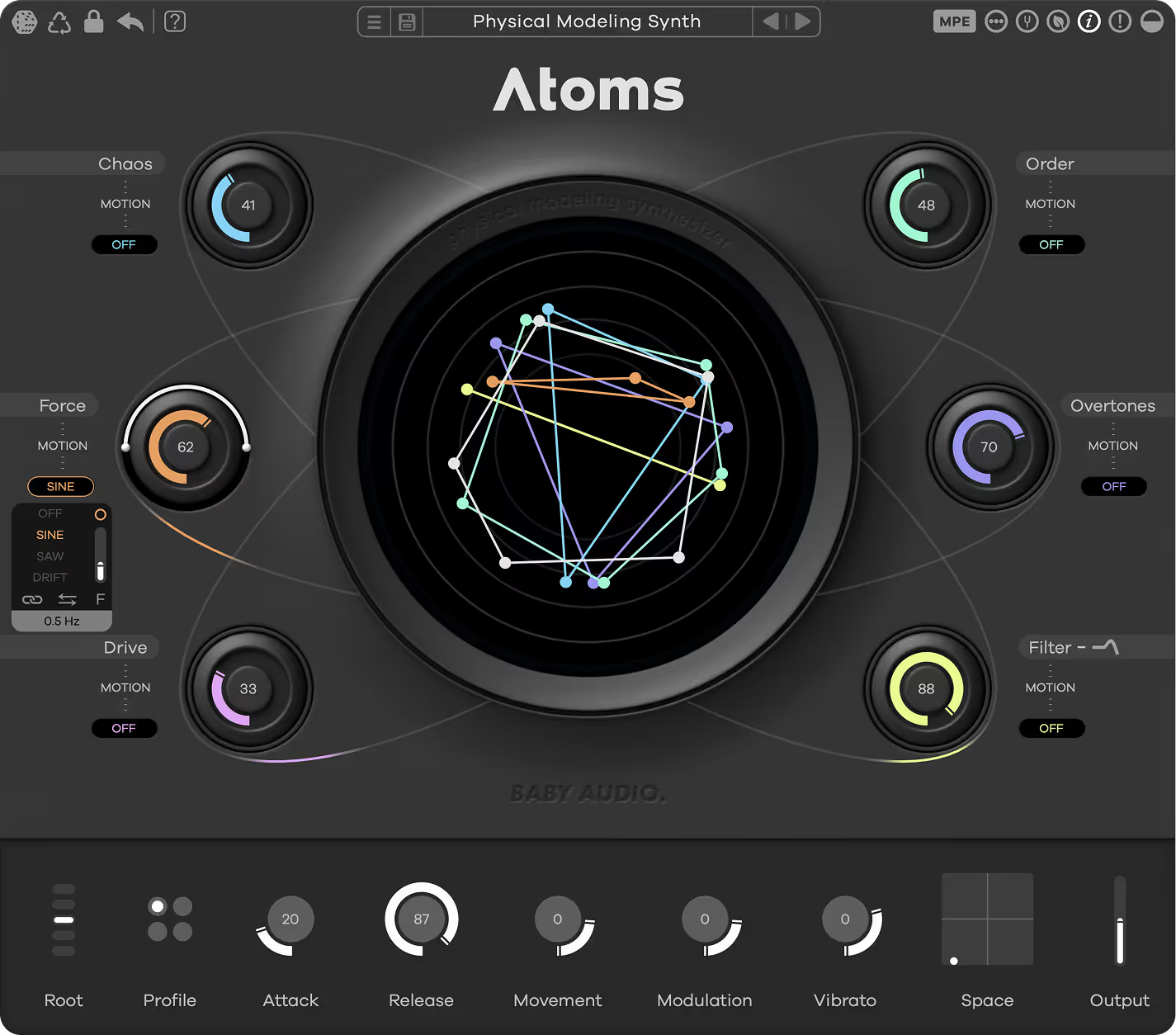 Plugin
BABY Audio Atoms: physical modelling with an unstable pulse
Atoms has a recognisable personality because its sound engine starts from simulated physical behaviour rather than a familiar oscillator-filter recipe. The virtual bow excites a network of masses and springs, producing tones that can feel string-like, metallic, unstable or strangely acoustic without behaving like a sampled instrument. That makes it particularly useful for pads, plucks, drones and evolving details that need movement. The interface keeps the underlying maths out of the way, and the 250 presets provide a broad entry point. At $49 in the current sale, it is an easy recommendation for producers who want one synth in the folder that consistently pushes them away from standard patches.
READ STORY ↗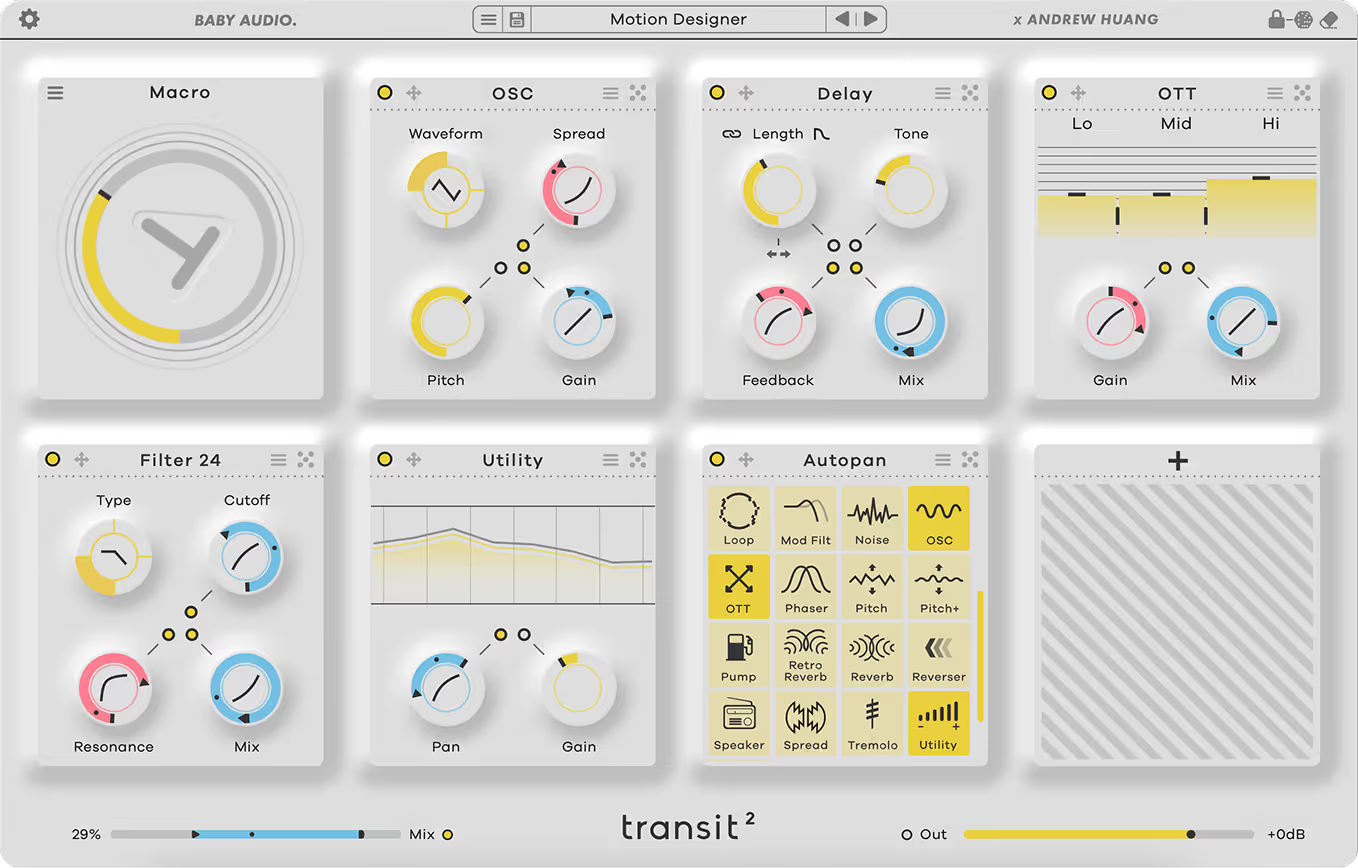 Plugin
BABY Audio Transit 2: motion effects built for arrangement
Transit 2 is one of those plug-ins whose purpose is immediately obvious in an electronic arrangement. It can build a rise, breakdown movement, rhythmic effect or live-triggered transformation from a single chain, then animate that chain with a macro, LFO, envelope follower, sidechain signal, gate or DAW-synced sequencer. The 28 effects give it enough range to move from subtle filtering to deliberately oversized transitions. The clever part is not the number of modules; it is the shared motion system that makes them behave as one event. Used with restraint, Transit 2 can save a lot of automation lanes and keep arrangement work moving.
READ STORY ↗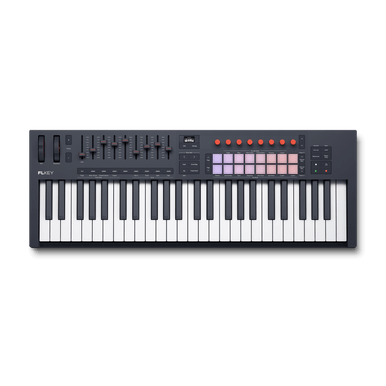 Technology
FLkey 49 MK2 is strongest when FL Studio stops feeling remote
A focused controller whose value depends on integration quality.
READ STORY ↗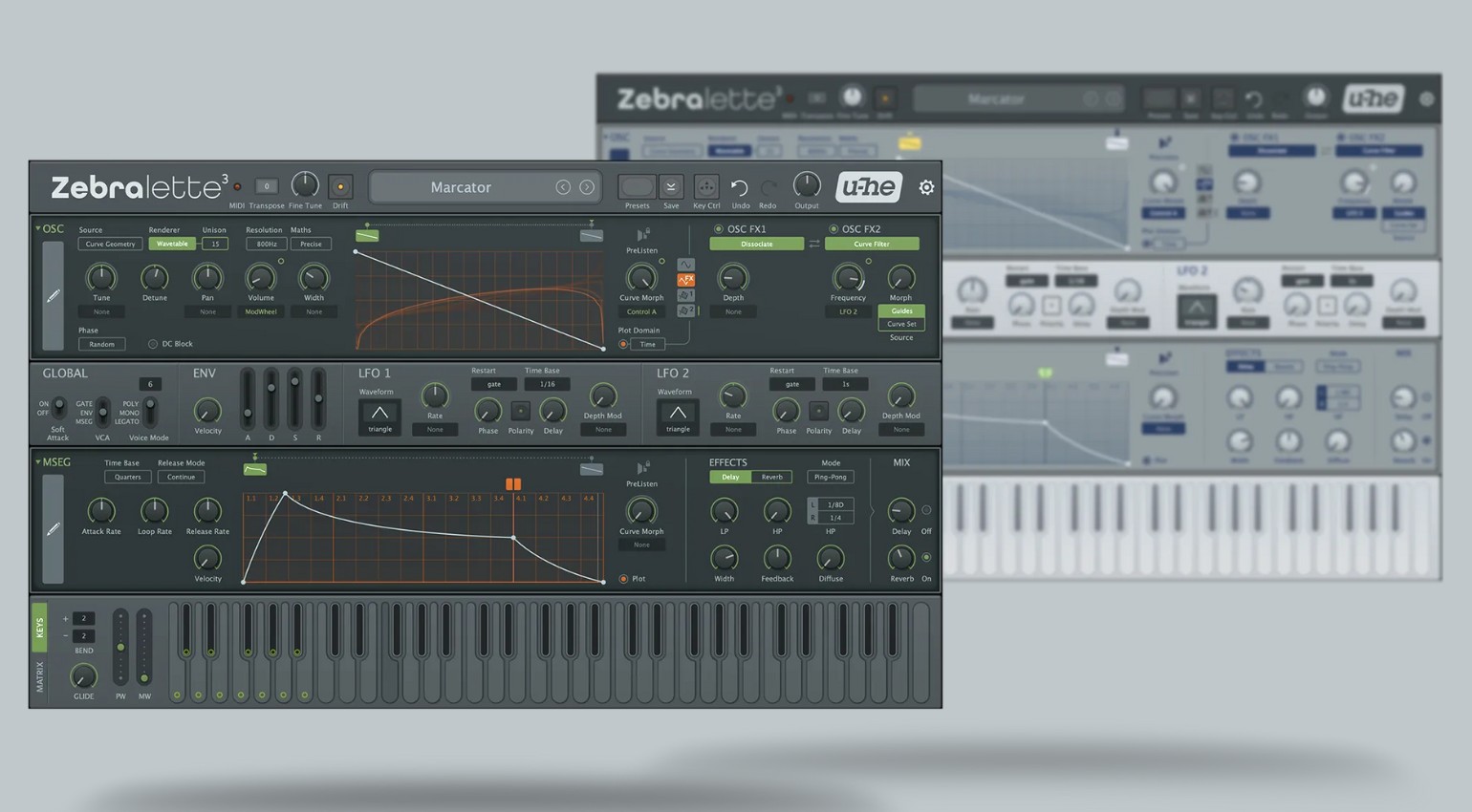 Technology
Zebralette 3 turns one part of Zebra 3 into a free sound-design entry point
A focused tool, not a universal promise.
READ STORY ↗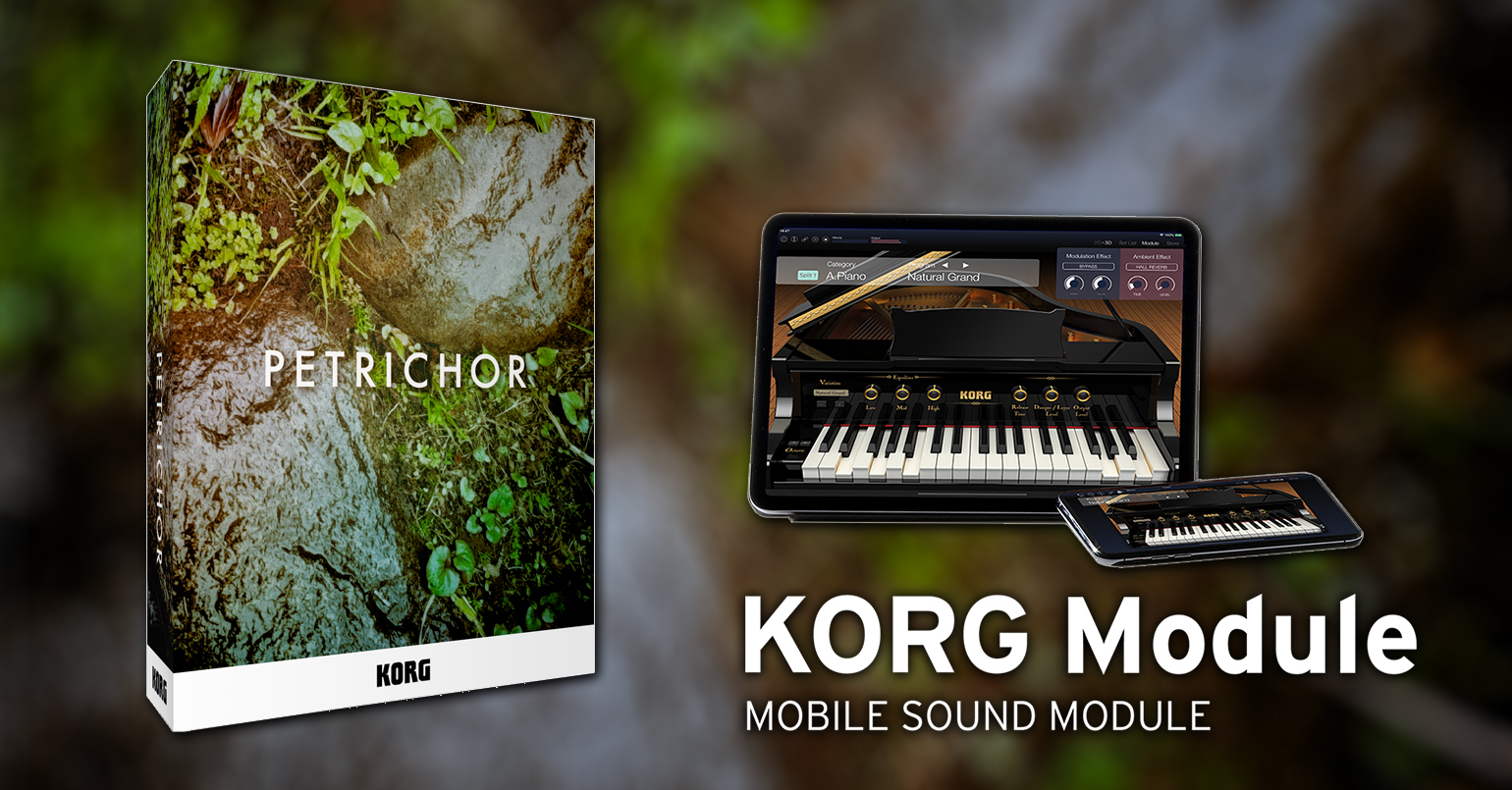 Technology
KORG’s Petrichor pack adds a softer electronic palette to Module
A focused tool, not a universal promise.
READ STORY ↗ Technology
Tracker Mini firmware keeps Polyend’s portable workflow moving
A focused tool, not a universal promise.
READ STORY ↗ Technology
Seaboard M is small because expression is the whole point, not the extra
A focused tool with a clear creative identity.
READ STORY ↗ Technology
Seaboard M makes expression feel less like an extra feature
A small controller with a clear personality: best when used for gestures that would feel stiff on ordinary keys.
READ STORY ↗ Technology
Arturia’s Belledonne bundle turns abundance into the product
A rich suite for producers who want range, provided they can keep abundance from slowing the session down.
READ STORY ↗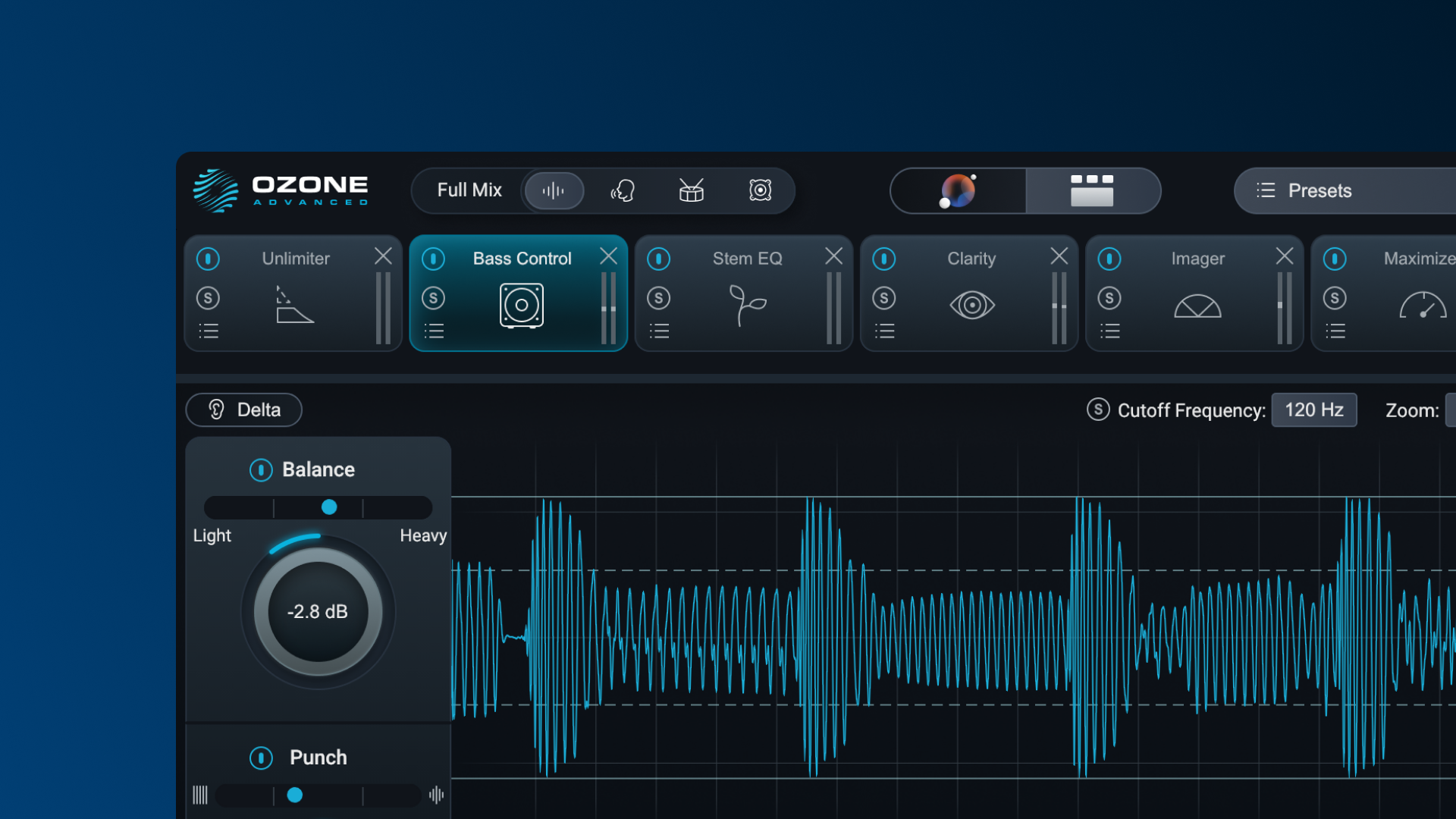 Technology
Ozone 12 keeps mastering technical without making it colder
A strong mastering environment for producers who want assistance without surrendering the last decision.
READ STORY ↗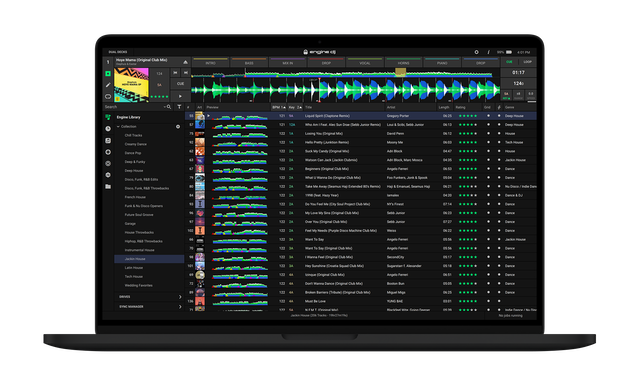 Technology
Engine DJ 5.0 makes preparation feel like part of the performance
A compact but meaningful ecosystem update for DJs who value clean preparation as much as booth features.
READ STORY ↗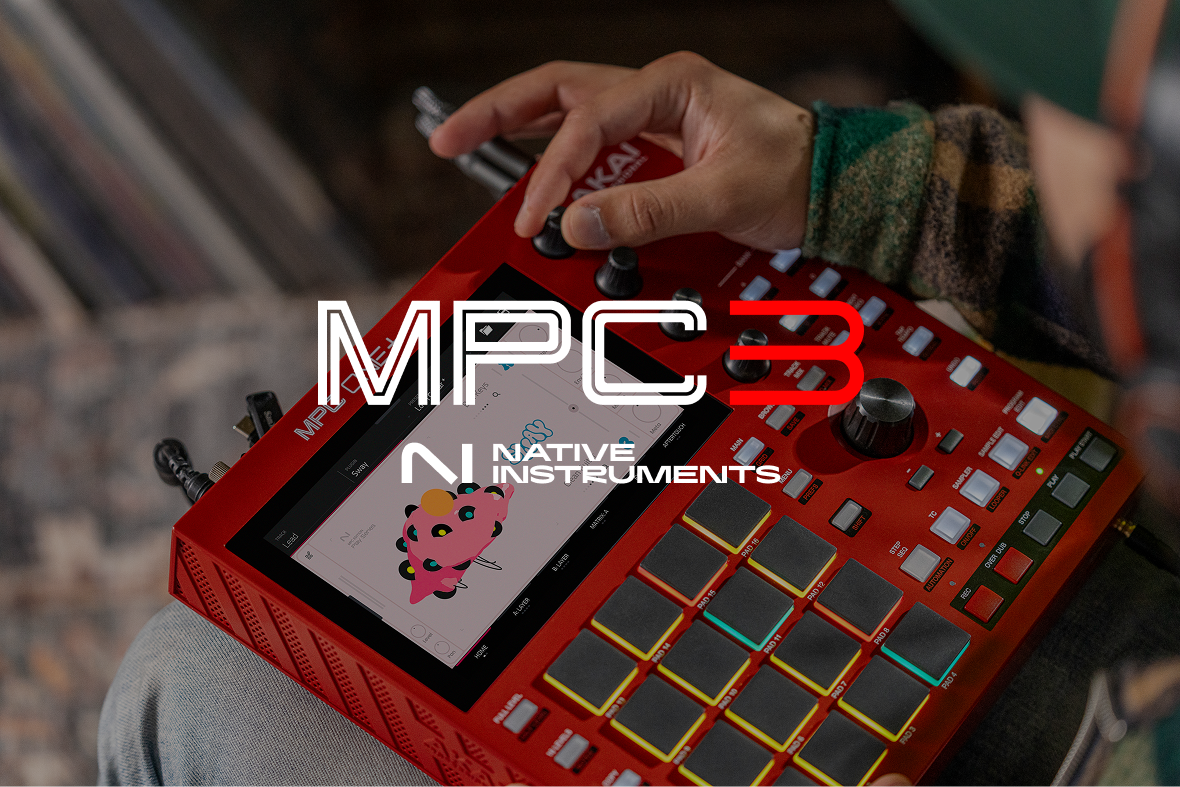 Technology
Akai’s MPC 3 push turns standalone hardware into a more complete arrangement system
A strong workflow update that makes MPC hardware feel more credible as a full arrangement environment, while still asking producers to buy into Akai’s own way of working.
READ STORY ↗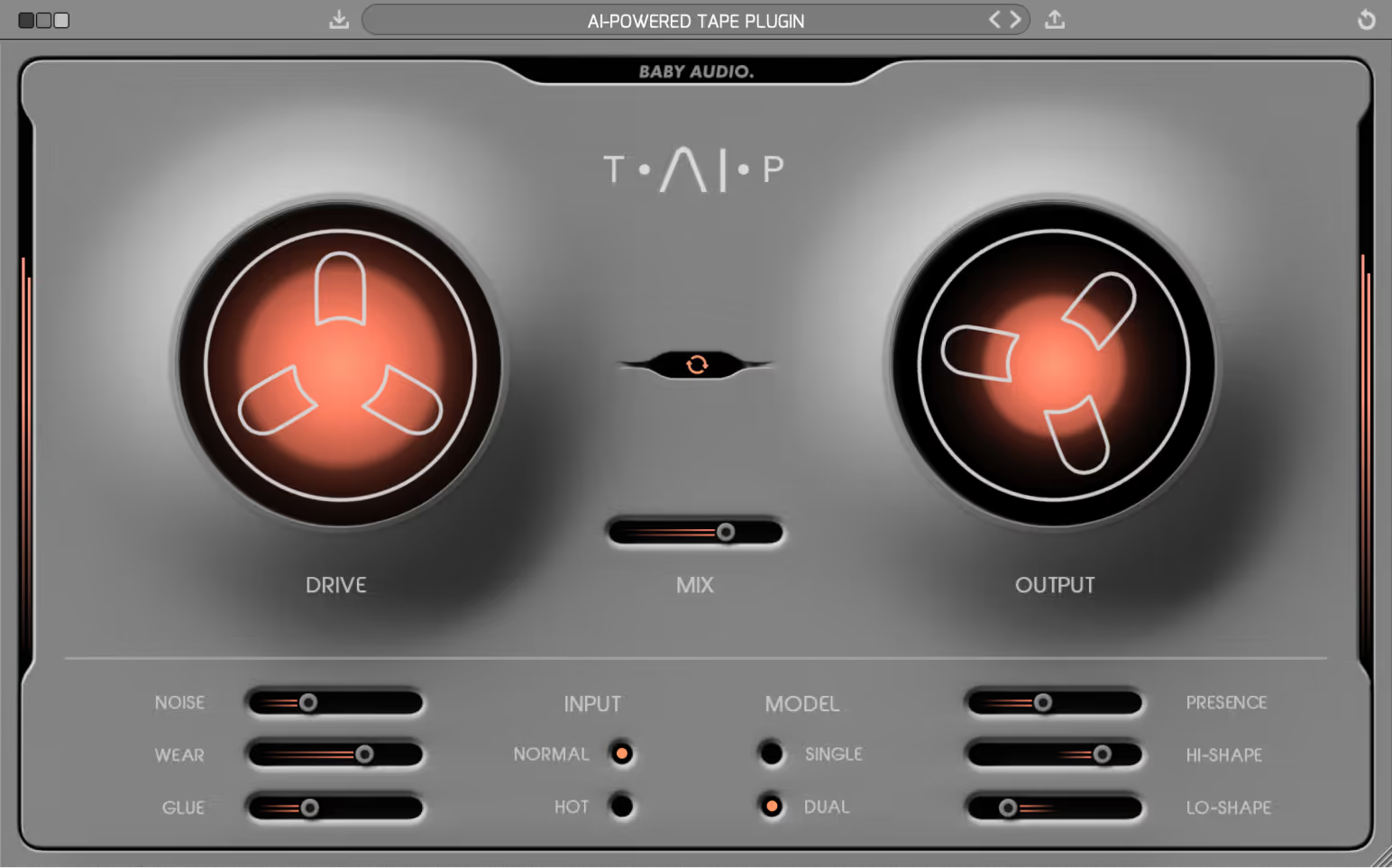 Plugin
BABY Audio TAIP: tape colour without the maintenance bill
TAIP is at its best when tape is treated as a palette rather than a historical re-enactment. It can add thickness and saturation, push harder into distortion, exaggerate glue, introduce wear, noise and warble, or preserve more low and high end for a cleaner result. That range makes it useful on drums, synths, buses and deliberately degraded textures. The machine-learning angle is interesting, but the practical value lies in the controls and the breadth of colour they offer. At $39 during the current sale it is very good value; at $99 it faces much tougher competition from established tape plug-ins.
READ STORY ↗